
Corrosion causes billions in costs to Florida infrastructure annually, yet many facilities managers underestimate its impact on municipal and commercial assets. Corrosion control encompasses the systematic methods and practices used to prevent or slow material degradation caused by environmental reactions. This guide explains what corrosion control is, why it matters for Florida facilities, and practical steps to protect your infrastructure investments from costly deterioration.
Table of Contents
- Understanding Corrosion And Its Impact On Florida Infrastructure
- Core Methods And Materials For Corrosion Control
- Implementing Effective Corrosion Control Programs In Florida Facilities
- The Benefits Of Corrosion Control For Municipal And Commercial Infrastructure
- Explore Expert Corrosion Control Services In Florida
- Frequently Asked Questions About Corrosion Control
Key takeaways
| Point | Details |
|---|---|
| Corrosion control definition | Systematic methods to prevent or slow material degradation through protective barriers, electrochemical techniques, and maintenance programs. |
| Florida specific risks | Humid coastal environments accelerate corrosion on steel structures, water tanks, pipes, and railings requiring proactive protection strategies. |
| Primary control methods | Protective coatings, cathodic protection, and proper surface preparation form the foundation of effective corrosion management programs. |
| Cost savings potential | Proactive corrosion control reduces emergency repairs, extends asset lifespan, and can cut maintenance costs by up to 35%. |
| Implementation approach | Risk assessment, contractor selection, compliance planning, and regular inspection schedules ensure long term infrastructure protection. |
Understanding corrosion and its impact on Florida infrastructure
Corrosion represents the gradual degradation of materials through chemical or electrochemical reactions with their environment. When metal surfaces interact with moisture, oxygen, and contaminants, they undergo structural breakdown that compromises integrity and function. You see this process most visibly as rust on steel, but corrosion takes many forms depending on the material and conditions.
Florida facilities face several common corrosion types that threaten infrastructure:
- Uniform rusting occurs when iron and steel surfaces oxidize evenly across exposed areas
- Galvanic corrosion happens when dissimilar metals contact each other in the presence of an electrolyte
- Pitting creates localized holes that penetrate deep into metal surfaces
- Crevice corrosion develops in confined spaces where moisture accumulates
Florida’s humid, coastal environment dramatically accelerates these corrosion processes. Salt laden air, high temperatures, and frequent rainfall create ideal conditions for rapid material degradation. Facilities within 10 miles of coastlines experience particularly aggressive corrosion rates that can reduce unprotected steel lifespan by 50% or more compared to inland locations.
Your municipal and commercial infrastructure faces constant corrosion threats. Steel bridges carrying daily traffic loads, water treatment tanks storing potable supplies, underground pipes transporting utilities, and exterior railings protecting public spaces all require vigilant protection. Without proper corrosion protection critical infrastructure measures, these assets deteriorate faster than anticipated.
The consequences extend beyond visible surface damage. Structural failures create safety hazards for workers and the public. Unexpected breakdowns force expensive emergency repairs that disrupt operations. Premature asset replacement strains capital budgets. Regulatory violations result in fines and project delays. These cascading impacts make corrosion control a strategic priority rather than optional maintenance.
With this corrosion context, let’s explore specific control methods that effectively protect infrastructure.
Core methods and materials for corrosion control
Protective coatings form the first line of defense against corrosion by creating physical barriers between metal surfaces and corrosive environments. Industrial paints, epoxy systems, and zinc rich coatings prevent moisture and oxygen from reaching vulnerable substrates. Protective coatings and surface preparation are critical for preventing corrosion in Florida infrastructure because they block the electrochemical reactions that cause degradation.
You have several coating options depending on your asset requirements:
- Epoxy coatings provide excellent chemical resistance and adhesion for water tanks and pipes
- Polyurethane topcoats offer superior UV resistance and color retention for exterior structures
- Zinc rich primers deliver sacrificial protection where the zinc corrodes preferentially to protect steel
- Moisture cured urethanes perform well in humid conditions typical of Florida environments
Cathodic protection represents an electrochemical approach that makes metal surfaces the cathode in a corrosion cell. Sacrificial anode systems use more reactive metals like zinc or magnesium that corrode instead of the protected structure. Impressed current systems apply external electrical current to achieve the same protective effect. These methods work particularly well for buried pipes, water tanks, and marine structures where coating damage is likely.
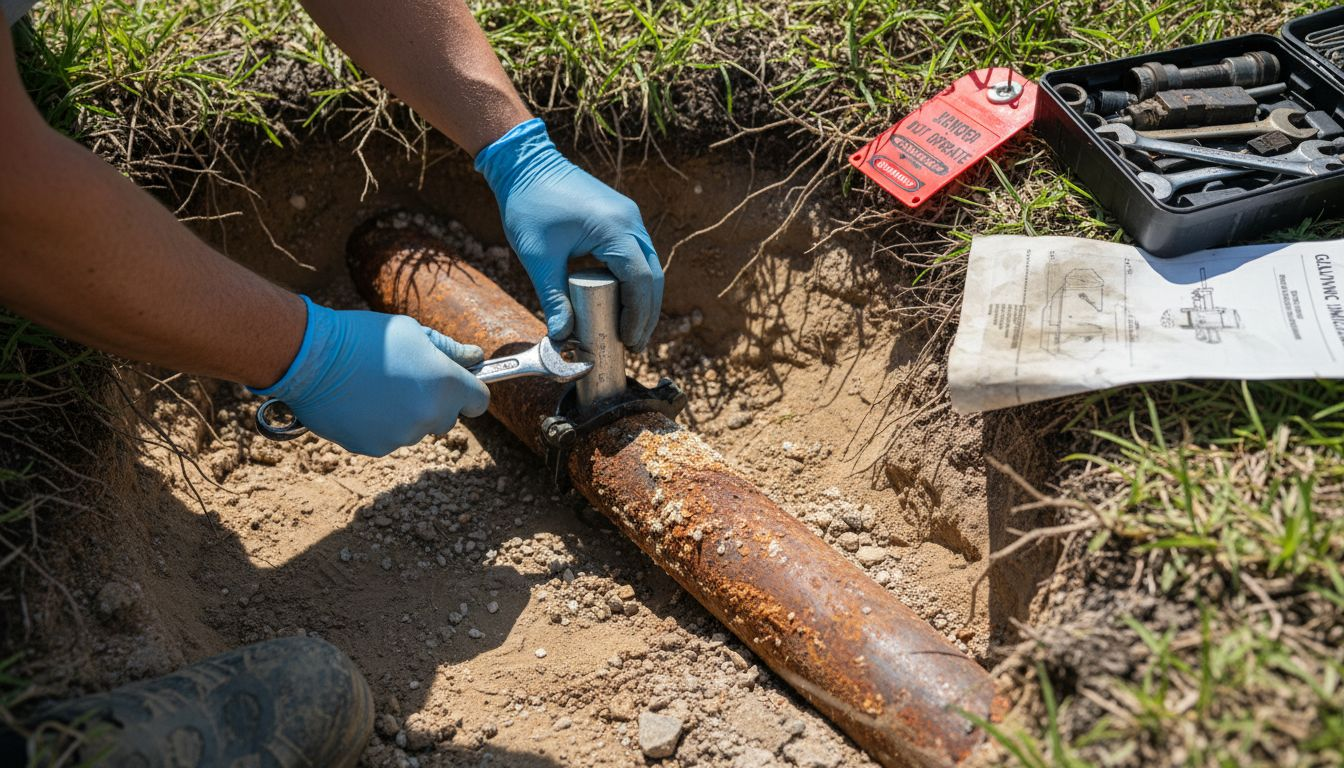
Surface preparation determines coating performance more than any other factor. Surface prep best practices extend coating durability and corrosion resistance by removing contaminants and creating proper anchor profiles. Sandblasting removes rust, old coatings, and mill scale while roughening surfaces for mechanical adhesion. Power tool cleaning works for maintenance projects with light corrosion. Chemical treatments prepare complex geometries and sensitive substrates.
Pro Tip: Match your surface preparation intensity to the coating system requirements and substrate condition. High performance epoxies demand near white metal blast cleaning, while maintenance coatings may accept commercial blast standards. Document your prep standards in specifications to ensure consistent quality.
| Method | Advantages | Limitations | Best Applications |
|---|---|---|---|
| Protective Coatings | Cost effective barrier protection, wide material compatibility, aesthetic options | Requires surface prep, periodic recoating, vulnerable to damage | Above ground structures, tanks, pipes, railings |
| Cathodic Protection | Continuous protection, works on buried/submerged assets, supplements coatings | Higher installation cost, requires monitoring, limited to conductive materials | Underground pipes, water tanks, marine structures |
| Galvanizing | Long lasting zinc barrier, self healing at scratches, minimal maintenance | High initial cost, limited to fabricated items, appearance constraints | Structural steel, fasteners, outdoor equipment |
| Stainless Alloys | Inherent corrosion resistance, low maintenance, long service life | Expensive material cost, specialized fabrication, still vulnerable to chlorides | Critical components, food processing, marine hardware |
Having reviewed control methods, let’s clarify how to choose and implement solutions for maximum results.
Implementing effective corrosion control programs in Florida facilities
Successful corrosion control starts with systematic risk assessment of your infrastructure assets. Begin by inventorying all structures, equipment, and systems vulnerable to corrosion damage. Document each asset’s age, condition, material composition, and environmental exposure. Prioritize items based on safety criticality, replacement cost, and current deterioration level. This assessment reveals where to focus your protection efforts for maximum return.
Establish regular inspection schedules matched to asset risk profiles. High priority structures in aggressive environments need quarterly visual inspections and annual detailed assessments. Lower risk assets may only require annual checks. Train your maintenance staff to recognize early corrosion indicators like surface discoloration, coating blistering, rust staining, and structural cracking. Early detection allows cost effective repairs before major damage occurs.
Follow these steps to build your corrosion control program:
- Complete comprehensive asset inventory and condition assessment across all facilities
- Identify environmental factors accelerating corrosion at each location including humidity, salt exposure, and chemical contacts
- Select appropriate protection methods based on asset type, environment, budget, and performance requirements
- Develop detailed specifications for surface preparation, coating application, and quality control procedures
- Qualify contractors with proven Florida experience, proper certifications, and quality references
- Implement monitoring systems to track coating condition, cathodic protection effectiveness, and corrosion rates
- Schedule preventive maintenance including cleaning, touch up repairs, and periodic recoating before widespread failure
Contractor selection significantly impacts program success. Look for providers with specific experience in Florida’s challenging climate and your facility types. Verify they hold relevant certifications like NACE (now AMPP) coating inspector credentials and SSPC contractor qualifications. Request references from similar municipal or commercial projects. Evaluate their surface preparation equipment quality, coating material knowledge, and safety programs.
Compliance requirements add complexity but protect your interests. Florida building codes and federal infrastructure standards mandate specific corrosion protection measures for certain applications. Water system components must meet NSF/ANSI 61 drinking water safety standards. Bridge coatings need DOT approval. Document your compliance approach in project specifications and maintain records proving adherence.
Budget planning should emphasize lifecycle costs rather than initial expenses. A premium coating system costing 40% more upfront may last twice as long and eliminate interim repairs, delivering lower total cost of ownership. Ongoing maintenance and monitoring are essential to extend asset life and cut repair costs by up to 35%. Factor inspection costs, touch up materials, and periodic major recoating into your long term financial projections.
Your maintenance program should include these recurring tasks:
- Monthly visual inspections of high priority assets checking for coating damage, rust spots, and deterioration signs
- Quarterly detailed examinations using moisture meters, adhesion testing, and thickness gauges on critical structures
- Annual comprehensive assessments documenting overall condition, planning repairs, and updating protection strategies
- Immediate repairs of coating damage, mechanical impacts, and localized corrosion before spreading
- Environmental monitoring of humidity levels, salt deposition rates, and chemical exposures affecting corrosion
Pro Tip: Partner with certified sandblasting and painting contractors who understand Florida conditions for best surface prep and coating application results. Their expertise in selecting appropriate materials and application techniques for humid, coastal environments prevents premature failures. Look for contractors offering examples of corrosion prevention for facilities similar to yours.
Next, we summarize how applying these principles can safeguard your facilities and resources effectively.
The benefits of corrosion control for municipal and commercial infrastructure
Safety improvements represent the most critical benefit of effective corrosion control programs. Corroded structural steel loses load bearing capacity, creating collapse risks for bridges, platforms, and buildings. Deteriorated railings fail to protect workers and the public from falls. Weakened pipes rupture unexpectedly, causing flooding and service disruptions. Your proactive protection measures prevent these dangerous failures before they threaten lives.
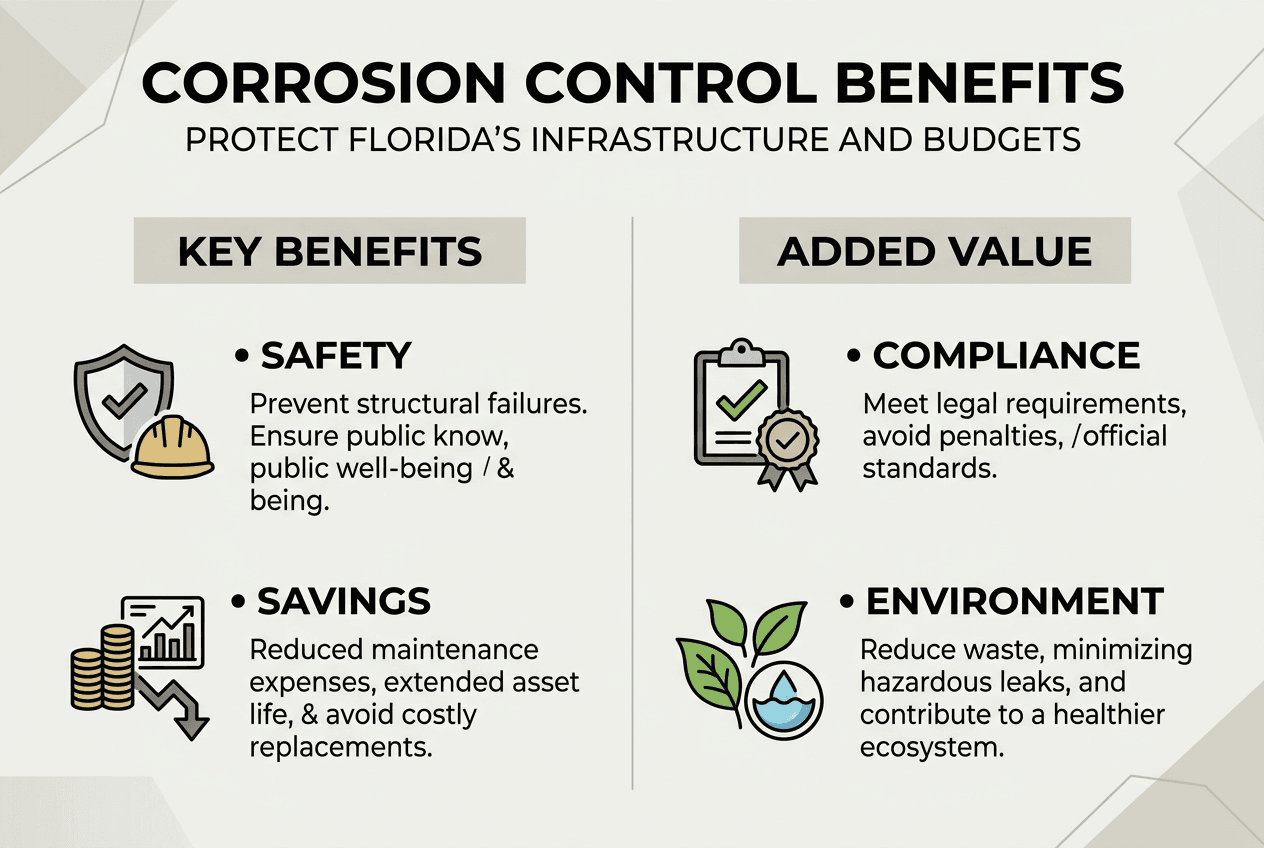
Extended asset lifespan delivers substantial financial returns on corrosion control investments. Properly protected steel structures easily achieve 30 to 50 year service lives compared to 10 to 15 years for unprotected assets in Florida’s aggressive environment. This extended durability reduces replacement frequency and defers major capital expenditures. You maximize value from existing infrastructure rather than constantly rebuilding.
Key advantages include:
- Reduced emergency repair frequency and associated overtime labor costs
- Lower insurance premiums reflecting decreased risk of corrosion related failures and claims
- Improved operational reliability with fewer unexpected shutdowns disrupting services
- Enhanced property values and public perception from well maintained, attractive facilities
- Decreased liability exposure from structural failures, injuries, and environmental releases
Compliance benefits help you avoid regulatory penalties and project delays. Corrosion control reduces lifecycle costs and extends infrastructure lifespan while meeting mandatory protection standards. Water system operators maintain drinking water quality certifications. Bridge owners satisfy DOT inspection requirements. Industrial facilities meet OSHA workplace safety regulations. Your documented corrosion control program demonstrates due diligence during audits and investigations.
Financial savings accumulate across multiple categories beyond avoided replacement costs. Emergency repairs typically cost three to five times more than planned maintenance due to overtime labor, expedited materials, and operational disruptions. Corrosion related insurance claims increase premiums for years after incidents. Regulatory fines for violations can reach hundreds of thousands of dollars. Your prevention focused approach eliminates these unnecessary expenses.
Environmental advantages extend beyond your immediate facility concerns. Corroded tanks and pipes leak petroleum products, chemicals, and wastewater into soil and groundwater. These releases trigger expensive remediation projects and potential legal liability. Protective coatings and proper maintenance programs contain hazardous materials safely. Longer asset life reduces manufacturing waste from premature replacement. Your corrosion control efforts support broader sustainability goals.
With clear benefits established, let’s look at your next steps to implement corrosion control solutions successfully.
Explore expert corrosion control services in Florida
Now that you understand corrosion control thoroughly, consider partnering with proven experts to protect your assets. Southern Sandblasting & Painting brings over 20 years of specialized experience helping Florida facilities managers safeguard critical infrastructure against corrosion damage. Our professional sandblasting services in Orlando remove rust, old coatings, and contaminants to create ideal surfaces for long lasting protection.
We apply expert industrial coatings for Florida infrastructure specifically formulated for our humid, coastal environment. Our team understands the unique challenges facing municipal water systems, commercial buildings, and industrial facilities across Central Florida. From water tanks and bridges to pipes and structural steel, we deliver reliable sandblasting and painting services in Orlando that extend asset longevity and reduce your total maintenance costs.
Frequently asked questions about corrosion control
What is corrosion control?
Corrosion control encompasses all methods and practices used to prevent or slow the degradation of materials caused by chemical or electrochemical reactions with their environment. The primary goals include protecting structural integrity, extending asset lifespan, maintaining safety, and reducing maintenance costs. Effective programs combine protective coatings, surface preparation, cathodic protection, material selection, and regular monitoring.
How does corrosion prevention differ from corrosion control?
Corrosion prevention aims to completely stop corrosion before it starts through material selection, design modifications, and environmental controls. Corrosion control accepts that some degradation may occur and focuses on slowing the rate to acceptable levels through protective barriers and active intervention. Most real world programs use control rather than prevention because completely eliminating corrosion proves impractical and expensive for large infrastructure systems.
How often should facilities in Florida inspect for corrosion?
Inspection frequency varies by asset type and environmental exposure, but Florida facilities should conduct visual checks at least annually. Structures in coastal areas or high humidity environments need quarterly inspections due to accelerated corrosion rates. Critical safety systems like bridges and elevated platforms warrant monthly monitoring. High value assets justify more frequent detailed assessments using specialized testing equipment to detect hidden deterioration.
What are the most effective corrosion control methods for Florida infrastructure?
Protective coatings, cathodic protection, and proper surface preparation represent the most effective approaches for Florida conditions. Epoxy and polyurethane coating systems provide excellent barrier protection against humidity and salt exposure. Cathodic protection supplements coatings on buried pipes and water tanks. Thorough sandblasting before coating application ensures maximum adhesion and performance. Material selection using corrosion resistant alloys works well for critical components despite higher initial costs.
Can corrosion control reduce maintenance costs?
Yes, proactive corrosion control significantly reduces overall maintenance expenses by preventing costly emergency repairs and premature asset replacement. Maintenance programs can cut repair costs by up to 35% compared to reactive approaches that address failures after they occur. Regular inspections catch small problems before they escalate. Protective coatings last 15 to 25 years with proper maintenance, eliminating frequent repainting. Extended asset lifespan defers major capital expenditures.
Who should I contact for professional corrosion control services in Florida?
Look for specialized contractors with proven experience in Florida’s challenging coastal and humid environment. Southern Sandblasting & Painting offers comprehensive sandblasting and industrial coating services specifically designed for Central Florida infrastructure. We serve municipal water systems, commercial facilities, and industrial clients throughout the Orlando area. Our team holds relevant certifications and maintains equipment capable of handling projects from small repairs to large scale infrastructure protection programs.


