
Surface failures can disrupt public projects and drain municipal budgets across Central Florida. Reliable asset maintenance starts with a meticulous approach to preparing each surface, reducing safety risks and preventing early breakdowns. Facility managers and procurement officers will discover how a detailed process—covering thorough inspection, tailored hazard identification, and the use of personal protective equipment—lays the groundwork for compliance and extended infrastructure life.
Table of Contents
- Step 1: Assess Surface Condition And Identify Hazards
- Step 2: Select Appropriate Tools And Safety Gear
- Step 3: Remove Contaminants And Old Coatings Effectively
- Step 4: Repair Surface Imperfections Thoroughly
- Step 5: Verify Cleanliness And Prepare For Coating
Quick Summary
| Key Point | Explanation |
|---|---|
| 1. Conduct a thorough surface inspection | A detailed visual inspection can prevent failures and identify hazards before coating application. |
| 2. Choose the right tools and safety gear | Proper equipment selection enhances project efficiency and protects workers from workplace hazards. |
| 3. Effectively remove contaminants and old coatings | Different methods exist for cleaning surfaces; select the most suitable one for optimal adhesion. |
| 4. Repair surface imperfections thoroughly | Systematic identification and correction of damage create a strong foundation for coatings. |
| 5. Verify cleanliness before coating application | Comprehensive checks ensure optimal surface preparation, enhancing the coating’s long-term performance. |
Step 1: Assess Surface Condition and Identify Hazards
Surface preparation requires a comprehensive assessment of the current surface condition to ensure optimal coating adhesion and long-term performance. By carefully evaluating existing conditions, you can prevent costly failures and safety risks.
Begin your assessment by conducting a thorough visual inspection of the surface. Look for signs of existing damage, contamination, or deterioration that could compromise coating effectiveness. Key areas to examine include:
- Rust and corrosion patches
- Paint or coating degradation
- Surface scale or mineral deposits
- Oil, grease, or chemical residues
- Structural irregularities or uneven textures
To systematically identify workplace hazards, review safety documentation and conduct a detailed risk assessment. Employers must meticulously examine potential risks associated with surface preparation activities, including chemical exposures, mechanical equipment operation, and environmental conditions.
Comprehensive hazard identification is not a one-time event but an ongoing process of continuous evaluation and improvement.
Each surface presents unique challenges, so develop a tailored inspection protocol that accounts for specific project requirements. Consider factors like material composition, previous treatment history, and intended coating application.
Pro tip: Invest in specialized inspection tools like surface roughness gauges and moisture meters to obtain precise measurements during your initial surface condition assessment.
Step 2: Select Appropriate Tools and Safety Gear
Selecting the right tools and safety equipment is critical for successful surface preparation and protecting your team from potential workplace hazards. Your equipment choices will directly impact project efficiency, worker safety, and overall coating performance.
When choosing tools, consider the surface type and preparation method. Surface preparation techniques vary widely, and your equipment must match specific project requirements. Key tools to evaluate include:
- Abrasive blasting equipment
- Chemical removal systems
- Surface cleaning and decontamination tools
- Protective respirators and ventilation systems
- Specialized surface measurement instruments
Carefully select personal protective equipment that matches the specific hazards of your surface preparation environment. This means choosing gear that protects against chemical exposures, mechanical risks, and potential debris.
Proper personal protective equipment is not optional – it’s a fundamental safety requirement for every surface preparation project.
Your safety gear selection should include comprehensive protection such as:
- Impact-resistant safety glasses
- Chemical-resistant gloves
- Respiratory protection with appropriate filtration
- Protective coveralls or suits
- Steel-toed boots
- Hearing protection
Pro tip: Always inspect your safety gear before each use and replace any equipment showing signs of wear or damage to maintain maximum protection.
Step 3: Remove Contaminants and Old Coatings Effectively
Removing existing contaminants and old coatings is a critical step in preparing surfaces for new protective treatments. Your goal is to create a clean, properly textured surface that ensures maximum coating adhesion and long-term performance.
Multiple techniques exist for removing old coatings and surface contaminants, each with unique advantages. Advanced robotic laser coating removal represents a cutting-edge approach that minimizes worker exposure to hazardous materials while delivering precise results. Traditional methods include:
- Mechanical abrasive blasting
- Chemical stripping solutions
- High-pressure water cleaning
- Laser ablation technologies
- Pneumatic and electric surface preparation tools
When selecting a removal method, consider the specific surface material, existing coating type, and project requirements. Each technique offers different levels of effectiveness, potential environmental impact, and worker safety considerations.
Effective contaminant removal is not just about cleaning – it’s about creating the optimal surface foundation for your new protective coating.
Pay special attention to completely eliminating:
- Rust and oxidation layers
- Old paint or coating remnants
- Grease and oil residues
- Mineral deposits
- Surface scale or corrosion
Pro tip: Test your chosen removal method on a small, inconspicuous area first to verify effectiveness and prevent unintended surface damage.
Here’s a comparison of surface contaminant removal methods and their typical business impacts:
| Method | Worker Safety Impact | Environmental Considerations | Project Efficiency |
|---|---|---|---|
| Abrasive Blasting | Moderate PPE required | Dust containment challenges | Fast, wide coverage |
| Chemical Stripping | High chemical exposure risk | Disposal of hazardous waste | Precise, slower pace |
| Laser Ablation | Minimal exposure, remote | Low emissions, energy intensive | High precision, costly |
| High-Pressure Water | Slip hazard, PPE required | Water runoff treatment needed | Moderate speed |
Step 4: Repair Surface Imperfections Thoroughly
Repairing surface imperfections is a crucial step in creating a smooth, uniform foundation for long-lasting protective coatings. Your goal is to transform damaged or compromised surfaces into optimal substrates that will support maximum coating performance and durability.
Comprehensive surface repair requires systematic identification and correction of structural irregularities. Surface preparation techniques demand meticulous attention to addressing various types of surface damage. Common imperfections you’ll need to address include:
- Corrosion pitting
- Metal gouges and scratches
- Weld splatter and irregularities
- Uneven surface textures
- Structural deformations
- Rust-induced surface degradation
The repair process involves multiple strategic approaches depending on the specific type and extent of surface damage. Your repair methodology should focus on:
- Thoroughly cleaning the damaged area
- Removing loose or compromised material
- Selecting appropriate repair compounds
- Applying restoration materials
- Smoothing and leveling the repaired surface
Effective surface repair is not just about cosmetic improvement – it’s about creating a structurally sound foundation for your protective coating.
Specialized repair techniques might include welding, grinding, metal filling compounds, epoxy treatments, and precision machining to restore surface integrity.
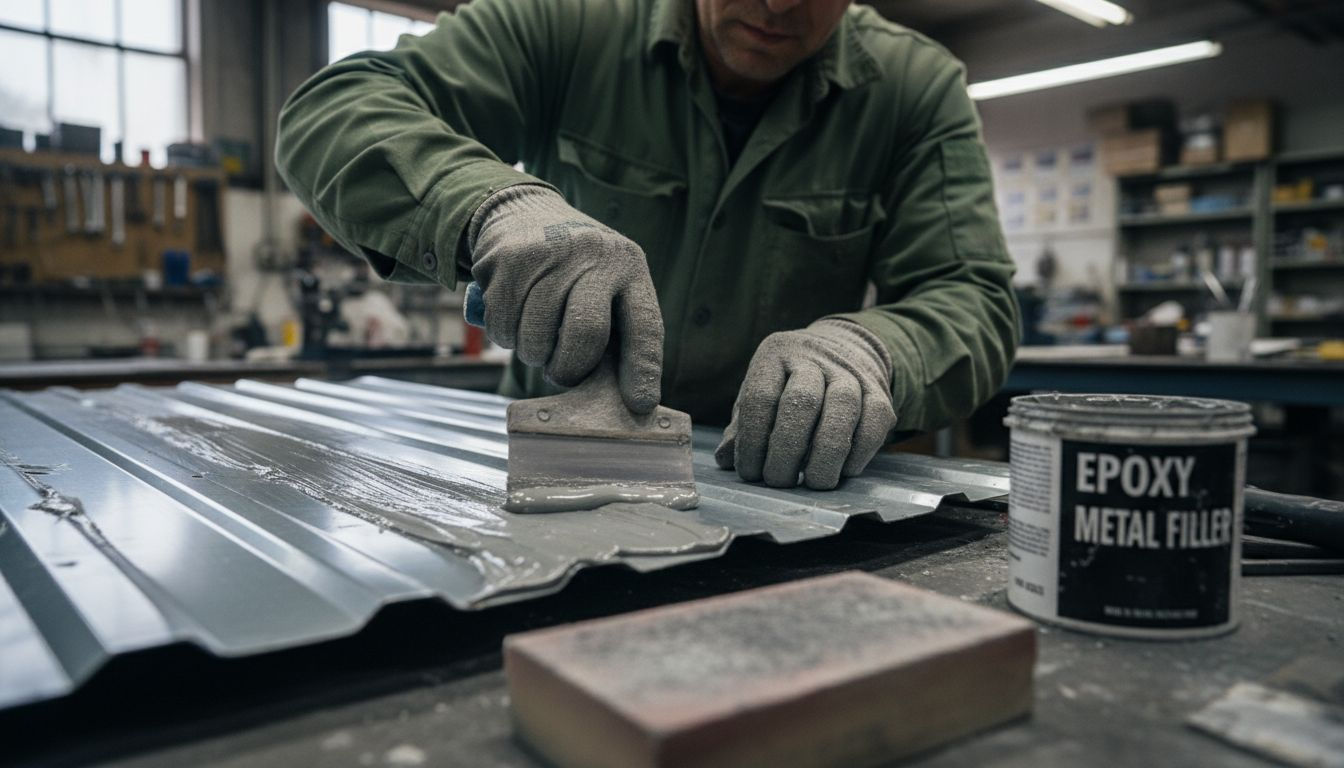
Pro tip: Always use repair materials that are chemically compatible with your planned protective coating to ensure optimal long-term adhesion and performance.
The following table summarizes key steps for thorough surface repair and their effect on coating durability:
| Repair Step | Main Objective | Impact on Coating Durability |
|---|---|---|
| Cleaning | Remove contaminants | Prevents future adhesion failures |
| Material Removal | Eliminate damaged areas | Ensures stable, uniform surface |
| Repair Compounds | Fill imperfections | Increases long-term coating strength |
| Leveling | Achieve smoothness | Reduces risk of localized breakdown |
Step 5: Verify Cleanliness and Prepare for Coating
Verifying surface cleanliness is the final critical checkpoint before applying your protective coating. Your meticulous attention at this stage determines the coating’s long-term performance and durability.
Preparing surfaces demands precise sample preparation techniques that eliminate every potential contamination source. A comprehensive cleanliness verification involves systematic assessment and multiple validation steps:
- Visual surface inspection
- Solvent wipe testing
- Surface profile measurement
- Contamination detection methods
- Moisture content verification
- Chemical residue analysis
Your verification process should target complete removal of:
- Microscopic oil residues
- Dust and particulate matter
- Oxidation layers
- Invisible chemical contaminants
- Moisture trapped in surface pores
Surface cleanliness is not a subjective assessment – it’s a measurable, scientific standard that directly impacts coating performance.
Critical cleaning techniques include degreasing with specialized solvents, ultrasonic cleaning, compressed air drying, and precision surface profiling to ensure optimal coating adhesion.
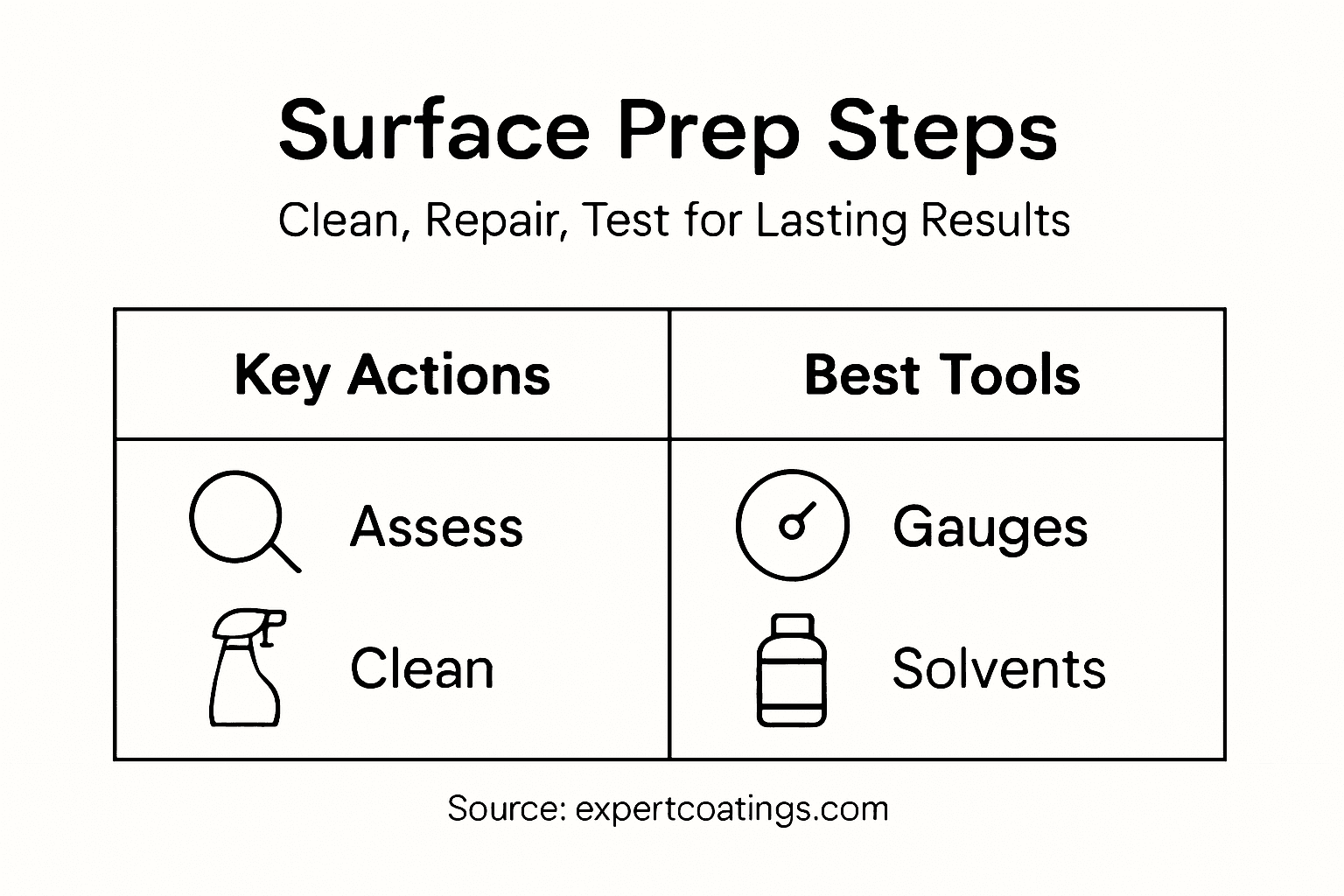
Pro tip: Use white lint-free cloths during final cleaning to instantly reveal any remaining surface contamination that could compromise your coating.
Ensure Long-Lasting Protection with Expert Surface Preparation and Coating Services
The article highlights the critical challenges of assessing surface conditions, removing contaminants, and repairing imperfections to create a durable foundation for protective coatings. If your project demands thorough cleaning, precise surface profiling, and expert coating application to extend asset life, Southern Sandblasting & Painting LLC offers trusted solutions tailored to your needs. Their seasoned team understands the importance of matching the right tools, safety gear, and techniques for lasting results in demanding industrial environments.
Don’t let poor surface preparation undermine your investment. Discover how their professional Sandblasting & Painting services protect critical infrastructure with unmatched quality and local expertise. Ready to tackle rust, corrosion, and old coatings effectively? Visit Sandblasting or Industrial Painting to learn more. Connect with Southern Sandblasting & Painting today at https://southernsandblastingandpainting.com to ensure your project achieves the highest standards of safety, durability, and performance.
Frequently Asked Questions
How do I assess the surface condition before coating?
Begin by conducting a thorough visual inspection for any rust, corrosion, paint degradation, or contaminants. Identify these issues upfront to develop a targeted repair and preparation plan, ensuring optimal coating adhesion.
What tools should I select for surface preparation?
Choose tools that match the surface type and preparation method, such as abrasive blasting equipment or chemical removal systems. Invest in specialized inspection tools to achieve accurate measurements for the best results.
What are the best methods for removing old coatings?
Consider using techniques like mechanical abrasive blasting or chemical stripping, depending on the surface material and existing coating type. Always test your chosen method on a small area to ensure it effectively cleans without damaging the surface.
How can I ensure thorough surface repairs?
Conduct systematic identification and correction of issues like corrosion pitting and surface irregularities. Use compatible repair compounds to fill imperfections, and then smooth and level the area to create a stable foundation for the new coating.
What steps should I take to verify surface cleanliness before coating?
Perform a rigorous cleanliness verification that includes visual inspections and solvent wipe testing. Ensure that all microscopic oil residues and contaminants are removed before applying your coating to maximize adhesion and durability.
How often should I reassess workplace safety hazards during surface preparation?
Implement an ongoing process for evaluating safety hazards associated with surface preparation activities. Regularly review and update your risk assessments to mitigate potential safety issues that may arise during the coating process.


