

Most American infrastructure managers in Central Florida know that over $20 billion in annual losses stem from corrosion damage to municipal assets across the United States. Harsh humidity, saltwater exposure, and strict safety regulations add extra pressure in this region. This guide demystifies industrial coatings, helping you choose reliable solutions to maximize asset lifespan, maintain compliance, and protect valuable investments against Florida’s toughest environmental threats.
Table of Contents
- Defining Industrial Coatings In Infrastructure
- Types Of Protective Coatings Used Today
- How Industrial Coatings Extend Asset Lifespan
- Safety Benefits And Regulatory Compliance Needs
- Risks, Costs, And Common Application Errors
Key Takeaways
| Point | Details |
|---|---|
| Importance of Industrial Coatings | Industrial coatings protect infrastructure by enhancing durability, preventing corrosion, and extending lifespan against environmental aggressors. |
| Types and Applications | Various coating types exist, such as epoxy and polyurethane, each tailored for specific applications and conditions to ensure optimal performance. |
| Safety and Regulations | Compliance with safety standards is essential, focusing on minimizing hazardous emissions and ensuring worker safety during the coating process. |
| Risk Management | Proactive management of application risks, including thorough surface preparation and material compatibility checks, is critical for successful outcomes in challenging environments. |
Defining Industrial Coatings in Infrastructure
Industrial coatings represent specialized protective layers strategically applied to infrastructure components to enhance durability, prevent corrosion, and extend asset lifespan. These advanced surface treatments are engineered solutions designed to shield critical infrastructure from environmental stressors, mechanical wear, and chemical degradation. Protective coatings for infrastructure serve multiple critical functions beyond simple aesthetic improvements.
The composition of industrial coatings varies widely, encompassing organic, inorganic, and nanomaterial-based formulations tailored to specific environmental challenges. These sophisticated layers physically isolate underlying materials from potentially destructive external conditions, creating a barrier that prevents moisture penetration, chemical reactions, and structural deterioration. Surface treatment technologies have advanced significantly, enabling engineers to develop highly specialized coating solutions for concrete, metal, and composite infrastructure elements.
Typically, industrial coatings fall into several key categories, each designed for specific applications and performance requirements. These include epoxy-based coatings for chemical resistance, polyurethane systems for UV protection, zinc-rich primers for corrosion prevention, and ceramic coatings for extreme temperature environments. The selection process involves carefully evaluating substrate material, anticipated environmental exposure, expected service life, and performance metrics such as adhesion strength, flexibility, and chemical compatibility.
Here’s a comparison of common industrial coating types and their primary applications:
| Coating Type | Key Benefit | Typical Use | Environmental Suitability |
|---|---|---|---|
| Epoxy-Based | Chemical resistance | Metal pipelines | Industrial, marine |
| Polyurethane | UV protection | Outdoor structures | High sun exposure |
| Zinc-Rich Primer | Corrosion prevention | Steel bridges | Coastal zones |
| Ceramic | High temperature | Power plants | Extreme heat |
Pro tip: Always conduct a comprehensive substrate analysis and environmental assessment before selecting an industrial coating to ensure maximum protection and longevity of your infrastructure assets.
Types of Protective Coatings Used Today
Protective coatings represent a sophisticated array of technological solutions engineered to safeguard infrastructure from environmental and mechanical degradation. Protective coating technologies can be broadly categorized into three primary functional classifications: barrier coatings, inhibitive coatings, and sacrificial coatings. Each type offers unique mechanisms for preventing corrosion and extending the operational lifespan of critical infrastructure components.
Barrier coatings function by creating an impermeable layer that physically blocks moisture, oxygen, and chemical contaminants from interacting with the underlying substrate. These coatings typically include advanced polymer systems like epoxy and polyurethane, which form a continuous, non-porous protective membrane. Inhibitive coatings, in contrast, incorporate specialized chemical compounds that actively suppress corrosion reactions at the molecular level, effectively neutralizing potential degradation mechanisms before they can initiate structural damage.
Sacrificial coatings represent a particularly ingenious protective strategy, utilizing metallic layers such as zinc that preferentially corrode to protect the primary substrate. These coatings are especially critical in harsh environments like coastal Florida, where saltwater, humidity, and extreme temperature fluctuations can rapidly accelerate metal deterioration. Advanced coating technologies now incorporate nanomaterial enhancements, providing even more robust protection through microscopic structural improvements that significantly enhance durability and resistance to environmental stress.
Pro tip: Conduct regular professional inspections of protective coatings to identify early signs of wear, ensuring timely maintenance and preventing costly infrastructure damage.
How Industrial Coatings Extend Asset Lifespan
Industrial coatings play a critical role in preserving infrastructure by creating robust protective barriers that significantly mitigate material degradation and corrosion risks. Corrosion prevention strategies fundamentally transform how infrastructure components resist environmental challenges, effectively extending their operational lifespan through advanced material science techniques. These protective layers act as sophisticated shields, intercepting potential damage mechanisms before they can compromise structural integrity.
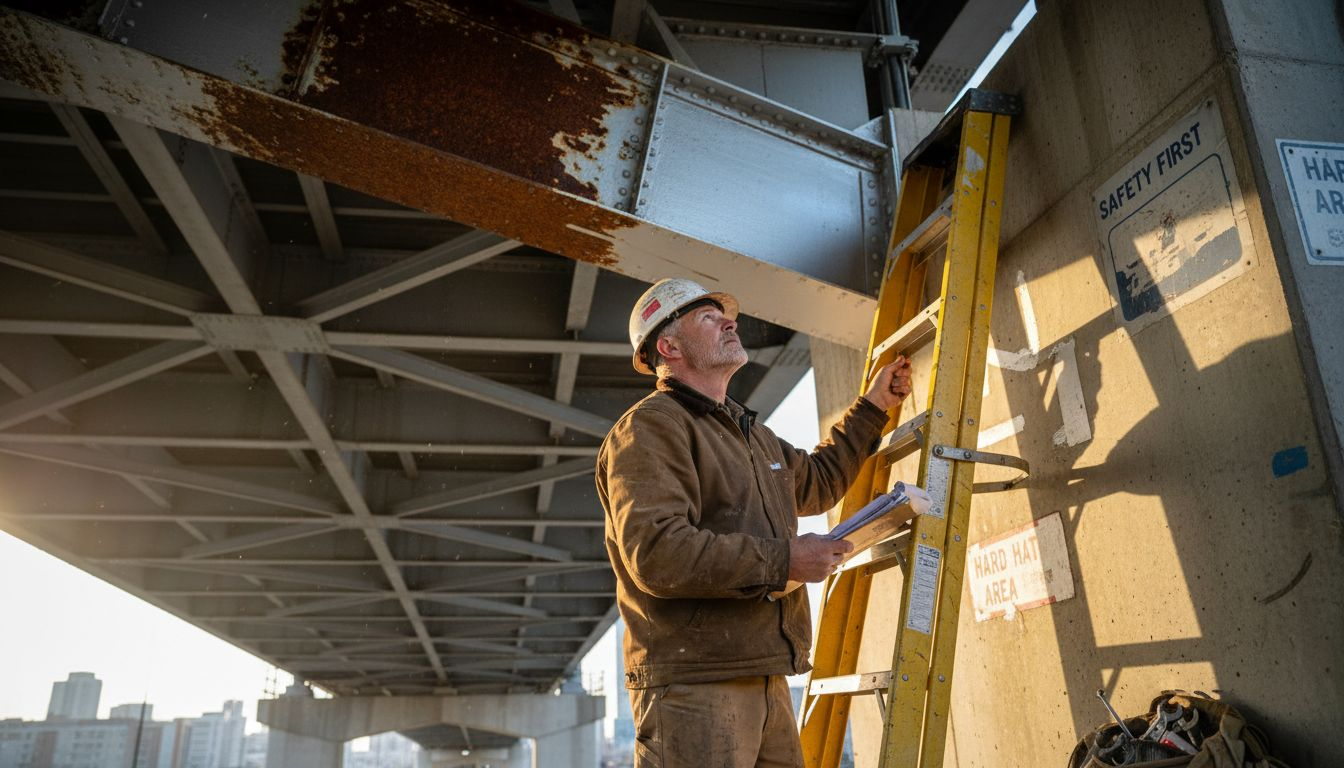
The mechanism of asset lifespan extension involves multiple intricate protective strategies. Physical barrier coatings create an impermeable membrane that blocks moisture, chemicals, and atmospheric contaminants from directly interacting with underlying substrates. Electrochemical inhibitive coatings work at the molecular level, neutralizing corrosive reactions and preventing electron transfer processes that typically initiate material breakdown. Sacrificial protection layers, particularly zinc-rich coatings, introduce an additional defensive mechanism by corroding preferentially, thereby protecting the primary substrate from environmental degradation.
Advanced coating technologies have revolutionized infrastructure preservation by introducing innovative solutions like self-healing and nano-enhanced coatings. These cutting-edge developments provide increasingly sophisticated protection methods that not only prevent damage but can actively respond to environmental stressors. For infrastructure in challenging environments like Florida, where humidity, saltwater exposure, and extreme temperatures create complex degradation scenarios, these advanced coatings represent a critical investment in long-term asset management and structural resilience.
Pro tip: Implement a proactive coating maintenance schedule that includes regular professional inspections and timely reapplication to maximize infrastructure protection and minimize long-term replacement costs.
Safety Benefits and Regulatory Compliance Needs
Industrial coating applications involve complex safety considerations that extend far beyond simple surface protection. Workplace safety standards mandate comprehensive protocols to protect workers from potential health hazards associated with coating materials, particularly the risks posed by volatile organic compounds (VOCs) and toxic chemical exposures. These regulations create a critical framework that ensures both worker protection and environmental safety during industrial coating processes.
The regulatory landscape for industrial coatings is characterized by increasingly stringent federal and state guidelines that address multiple dimensions of safety and environmental impact. VOC emission regulations specifically target the chemical composition of coating materials, establishing maximum permissible limits for harmful emissions. These rules compel manufacturers and applicators to develop and utilize coating technologies that minimize environmental contamination while maintaining high-performance protective capabilities.
Comprehensive safety protocols in industrial coating applications require multiple layers of protection, including personal protective equipment, controlled application environments, and rigorous worker training programs. Advanced coating technologies now incorporate less toxic formulations that reduce inhalation risks, improve application safety, and provide enhanced environmental compatibility. For infrastructure projects in sensitive environments like Florida, these safety-focused innovations represent a critical evolution in coating technology, balancing performance requirements with worker and environmental health considerations.
Pro tip: Prioritize coating solutions that meet or exceed current safety regulations, and maintain detailed documentation of material safety data sheets for every coating product used in your infrastructure projects.
Risks, Costs, and Common Application Errors
Industrial coating projects encompass a complex landscape of potential risks and financial implications that demand strategic management. Regulatory complexity and risk management present significant challenges for infrastructure managers, requiring sophisticated approaches to balance performance, safety, and cost-effectiveness. These challenges are particularly pronounced in environments like Florida, where extreme weather conditions and unique environmental stressors amplify potential coating application risks.
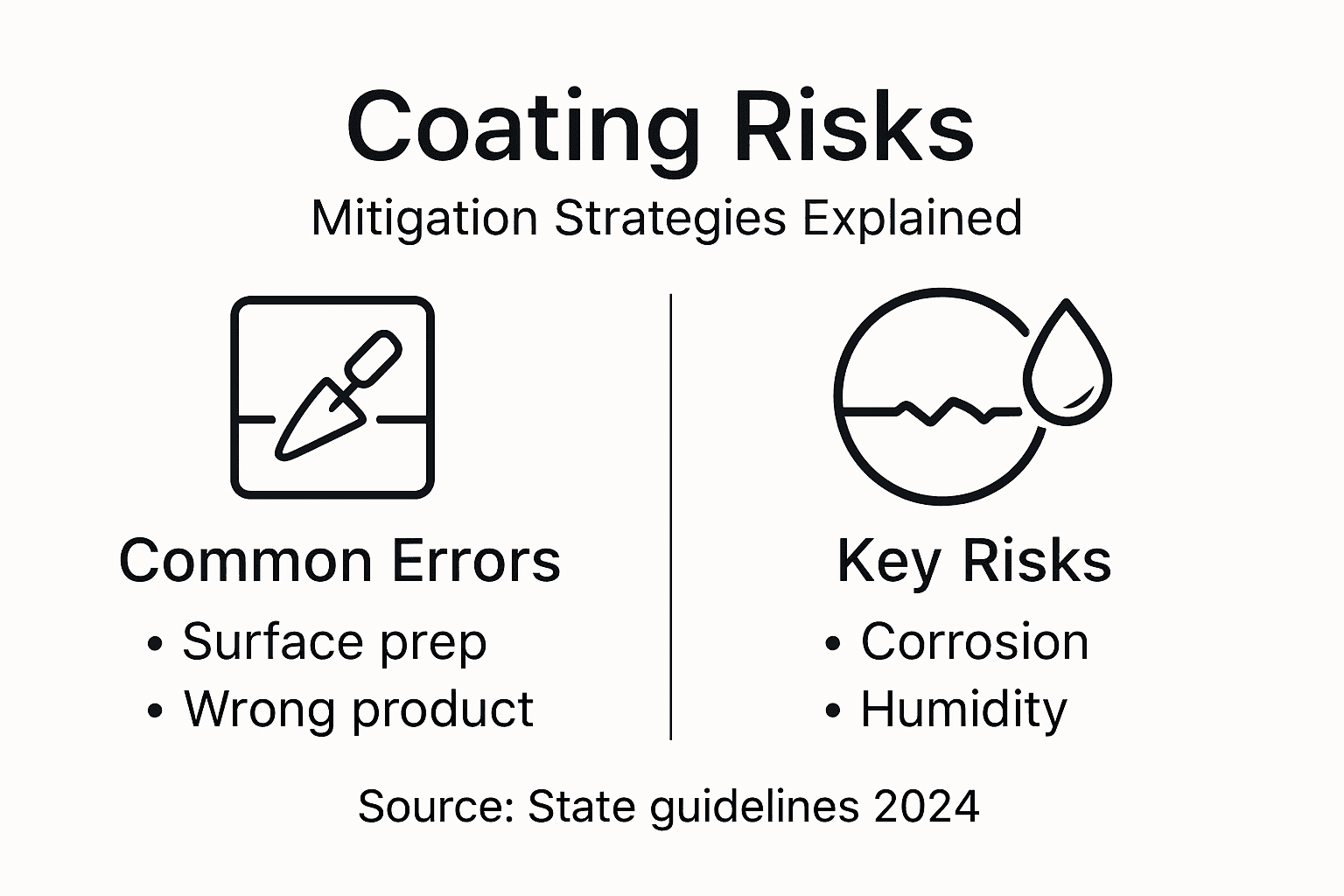
Application errors can dramatically compromise coating effectiveness and infrastructure longevity. Coating performance testing standards identify critical failure points that often emerge from technical missteps during the application process. Common errors include insufficient surface preparation, inconsistent coating thickness, inadequate environmental controls during application, and improper material selection for specific environmental conditions. Such mistakes can lead to premature coating failure, exponentially increasing long-term maintenance and replacement expenses.
Financial risks in industrial coating projects extend beyond immediate application costs, encompassing potential regulatory penalties, environmental remediation expenses, and infrastructure damage resulting from substandard protective treatments. Comprehensive risk mitigation strategies must integrate thorough technical assessment, ongoing quality control, and proactive maintenance planning. For Florida infrastructure managers, this means developing robust evaluation protocols that account for the region’s unique environmental challenges, including high humidity, saltwater exposure, and intense ultraviolet radiation.
This summary highlights major risks in industrial coating projects and recommended mitigation strategies:
| Risk Category | Example Risk | Impact | Mitigation Approach |
|---|---|---|---|
| Application Error | Poor surface preparation | Premature failure | Use professional assessment tools |
| Regulatory | VOC emission violation | Fines, delays | Select low-VOC coating products |
| Environmental | Saltwater exposure | Accelerated corrosion | Apply barrier and sacrificial layers |
| Financial | Improper material selection | Increased costs | Perform test compatibility checks |
Pro tip: Implement a comprehensive pre-application assessment protocol that includes detailed substrate analysis, environmental condition mapping, and rigorous coating compatibility testing to minimize application risks and optimize long-term performance.
Protect Florida Infrastructure with Expert Industrial Coating Solutions
Industrial coatings are vital for combating Florida’s harsh environmental challenges like saltwater exposure, high humidity, and intense UV radiation. If you need to prevent corrosion, extend asset lifespan, and ensure regulatory compliance, choosing the right surface preparation and coating provider is critical. Southern Sandblasting & Painting LLC has over 20 years of experience delivering durable, high-quality protective industrial coatings designed for Florida’s unique conditions.

Don’t risk application errors or premature coating failure. Partner with a trusted team that specializes in professional sandblasting to remove rust and contaminants, followed by precise industrial painting that maximizes protection and asset longevity. Act now to safeguard your infrastructure investments. Visit Southern Sandblasting & Painting LLC to request a consultation and secure resilient coatings tailored for Florida infrastructure.
Frequently Asked Questions
What are industrial coatings, and why are they important for infrastructure?
Industrial coatings are specialized protective layers applied to infrastructure components to enhance durability, prevent corrosion, and extend asset lifespan. They protect critical assets from environmental stressors and mechanical wear, making them essential for infrastructure resilience.
What types of industrial coatings are commonly used for infrastructure?
Common types of industrial coatings include epoxy-based coatings for chemical resistance, polyurethane systems for UV protection, zinc-rich primers for corrosion prevention, and ceramic coatings for extreme temperature environments. Each type is designed for specific applications and environmental conditions.
How do industrial coatings help to extend the lifespan of infrastructure assets?
Industrial coatings create protective barriers that mitigate material degradation and corrosion risks. They block moisture, chemicals, and contaminants, while also neutralizing corrosive reactions, thus significantly extending the operational lifespan of infrastructure components.
What should be considered when selecting an industrial coating?
When selecting an industrial coating, it is important to evaluate substrate material, anticipated environmental exposure, expected service life, and performance metrics such as adhesion strength, flexibility, and chemical compatibility to ensure maximum protection and longevity.
Recommended
- Role of Protective Coatings in Critical Infrastructure
- Role of Coatings in Longevity – Extending Asset Lifespans
- 7 Industrial Coating Best Practices for Durable Results
- What Is Anti-Corrosion Coating and Why It Matters
- Industrial Painting Services in Orlando, FL
- Sandblasting Services Orlando FL
- Role of Drain Cleaning: Protecting Tampa Bay Homes


