

Water and transportation infrastructure across major American cities faces relentless threats from Florida’s extreme humidity, powerful UV radiation, and regular tropical storms. For municipal managers in Orlando, failing coatings can lead to higher costs and non-compliance issues. Corrosion alone costs American municipalities billions each year in repairs and lost asset value. Learn how the right protective coatings can significantly increase the lifespan and reliability of your city’s most vital infrastructure.
Table of Contents
- Defining Protective Coatings For Infrastructure
- Major Types And Their Key Applications
- How Protective Coatings Prevent Corrosion
- Compliance Standards And Application Best Practices
- Common Risks In Coating Selection And Application
Key Takeaways
| Point | Details |
|---|---|
| Importance of Protective Coatings | Protective coatings are essential for preventing environmental degradation and extending the lifespan of infrastructure. They act as barriers against corrosion and chemical damage. |
| Types of Coatings | Understanding the various types of protective coatings, such as organic, inorganic, and nano-engineered, is crucial for selecting the right solution based on application needs. |
| Corrosion Prevention Strategies | Protective coatings prevent corrosion by isolating metals from harmful elements and utilizing methods such as barrier protection and sacrificial layers. |
| Compliance and Best Practices | Adhering to established guidelines for surface preparation and application is vital for ensuring long-term performance and safety of protective coatings. |
Defining Protective Coatings for Infrastructure
Protective coatings represent sophisticated surface treatments designed to shield critical infrastructure from environmental degradation and mechanical stress. These specialized layers act as a critical defense mechanism, creating a barrier between infrastructure materials and potentially destructive external forces. Municipalities like Orlando need robust protective coating strategies to extend the lifespan of expensive water systems, transportation networks, and municipal assets.
In the context of infrastructure protection, protective coatings are engineered materials applied to surfaces like concrete, metal, and composite structures to prevent corrosion, chemical damage, and structural deterioration. Advanced surface treatments utilize organic, inorganic, and nano-based coating technologies that can dramatically enhance infrastructure durability. These coatings work through multiple mechanisms: blocking moisture penetration, resisting chemical reactions, reducing surface friction, and providing thermal insulation.
The primary functions of protective coatings extend beyond simple surface protection. They play a strategic role in infrastructure management by:
- Preventing corrosion and material degradation
- Reducing maintenance frequency and associated costs
- Enhancing structural integrity and performance
- Improving resistance to environmental stressors like UV radiation, humidity, and temperature fluctuations
Pro tip: When selecting protective coatings for municipal infrastructure, prioritize solutions specifically engineered for Central Florida’s unique climate conditions, which include high humidity, intense sunlight, and potential saltwater exposure.
Major Types and Their Key Applications
Protective coatings encompass a diverse range of materials engineered to safeguard critical infrastructure across various environments and applications. Understanding the specific characteristics of each coating type helps municipalities and infrastructure managers select the most appropriate solution for their unique challenges.
Organic coatings represent a significant category in infrastructure protection, including specialized formulations like acrylics, epoxies, powders, and zinc-rich blends. These advanced materials provide exceptional barrier properties and corrosion resistance, making them ideal for protecting pipelines, bridges, marine structures, and industrial equipment in demanding environments like Orlando’s coastal and industrial zones.
The primary categories of protective coatings can be broadly classified into:
Here’s a comparison of major protective coating categories and their ideal infrastructure applications:
| Coating Type | Main Materials | Best Used For |
|---|---|---|
| Organic | Epoxy, polyurethane | Pipelines, bridges, marine assets |
| Inorganic | Ceramic, metallic zinc | High-heat, chemical plants, tanks |
| Nano-engineered | Self-healing compounds | Smart structures, high-risk zones |
- Organic Coatings: Polymer-based solutions offering flexible protection
- Epoxy resins
- Polyurethane systems
- Acrylic formulations
- Inorganic Coatings: Ceramic and metallic layers for extreme conditions
- Ceramic-based protective layers
- Metallic zinc and aluminum coatings
- Nano-engineered Coatings: Advanced molecular-level protection
- Self-healing molecular structures
- Enhanced barrier technologies
Pro tip: Conduct a comprehensive environmental assessment of your specific infrastructure location before selecting a protective coating, considering factors like humidity, temperature fluctuations, and potential chemical exposures.
How Protective Coatings Prevent Corrosion
Corrosion represents a significant threat to critical infrastructure, causing billions of dollars in damage annually and compromising structural integrity. Understanding the mechanisms of corrosion prevention is crucial for municipalities and infrastructure managers seeking to extend the lifespan of essential assets.
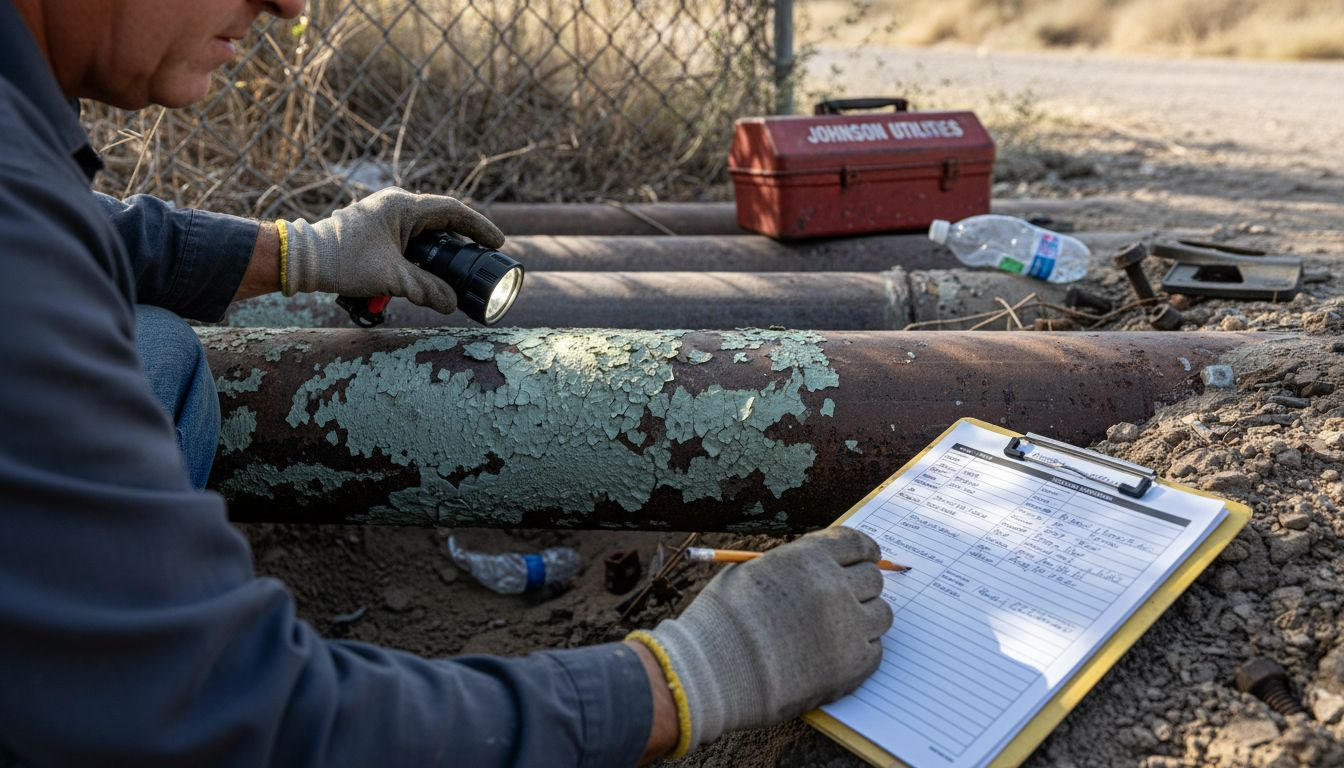
Protective coatings prevent corrosion by strategically isolating metal substrates from destructive environmental elements such as water, oxygen, and electrolytes that trigger electrochemical degradation. These sophisticated barrier systems work through multiple sophisticated mechanisms:
Key corrosion prevention strategies include:
- Barrier Protection: Creating an impermeable layer that blocks environmental contaminants
- Physically separating metal surfaces from corrosive agents
- Preventing direct contact with moisture and oxygen
- Chemical Inhibition: Neutralizing potential corrosive reactions
- Releasing protective chemical compounds
- Disrupting electrochemical degradation processes
- Sacrificial Protection: Using metallic layers that corrode preferentially
- Zinc-rich coatings that protect underlying metal structures
- Absorbing destructive environmental impacts
Advanced self-healing coating technologies can autonomously repair micro-damage, releasing corrosion inhibitors and maintaining structural integrity even when minor coating breaches occur. These innovative solutions represent a significant leap forward in infrastructure protection, offering dynamic defense mechanisms that adapt to environmental challenges.
Pro tip: Implement a comprehensive inspection and maintenance schedule that includes regular coating assessments, identifying and addressing potential vulnerabilities before they escalate into significant corrosion problems.
Compliance Standards and Application Best Practices
Infrastructure protective coating applications demand rigorous adherence to established standards to ensure long-term performance, safety, and regulatory compliance. Municipal managers and infrastructure professionals must navigate complex guidelines that govern every aspect of coating selection, preparation, and implementation.
The Unified Facilities Criteria (UFC) provides mandatory guidelines for protective coating applications, establishing comprehensive protocols for surface preparation, coating system selection, and quality control. These standards are critical for ensuring infrastructure durability and preventing premature material degradation.
Key compliance and application best practices include:
- Surface Preparation
- Thorough substrate cleaning
- Removing contaminants and existing deteriorated coatings
- Achieving appropriate surface profile for coating adhesion
- Material Selection
- Matching coating properties to environmental conditions
- Considering substrate compatibility
- Evaluating long-term performance characteristics
- Application Techniques
- Controlling environmental conditions during application
- Using proper equipment and trained personnel
- Implementing precise thickness and coverage specifications
The American Concrete Institute’s comprehensive guide addresses critical factors for protective treatment selection, emphasizing the importance of substrate conditions, environmental exposure, and systematic inspection protocols. These guidelines help infrastructure managers make informed decisions about coating systems that can withstand challenging Florida environmental conditions.
Pro tip: Develop a comprehensive documentation system that tracks coating application details, including surface preparation methods, material specifications, environmental conditions, and future maintenance schedules.
Common Risks in Coating Selection and Application
Infrastructure protective coating projects involve complex technical and environmental challenges that can compromise project success if not carefully managed. Municipal managers must understand the multifaceted risks associated with coating selection and application to protect critical assets and ensure long-term infrastructure reliability.
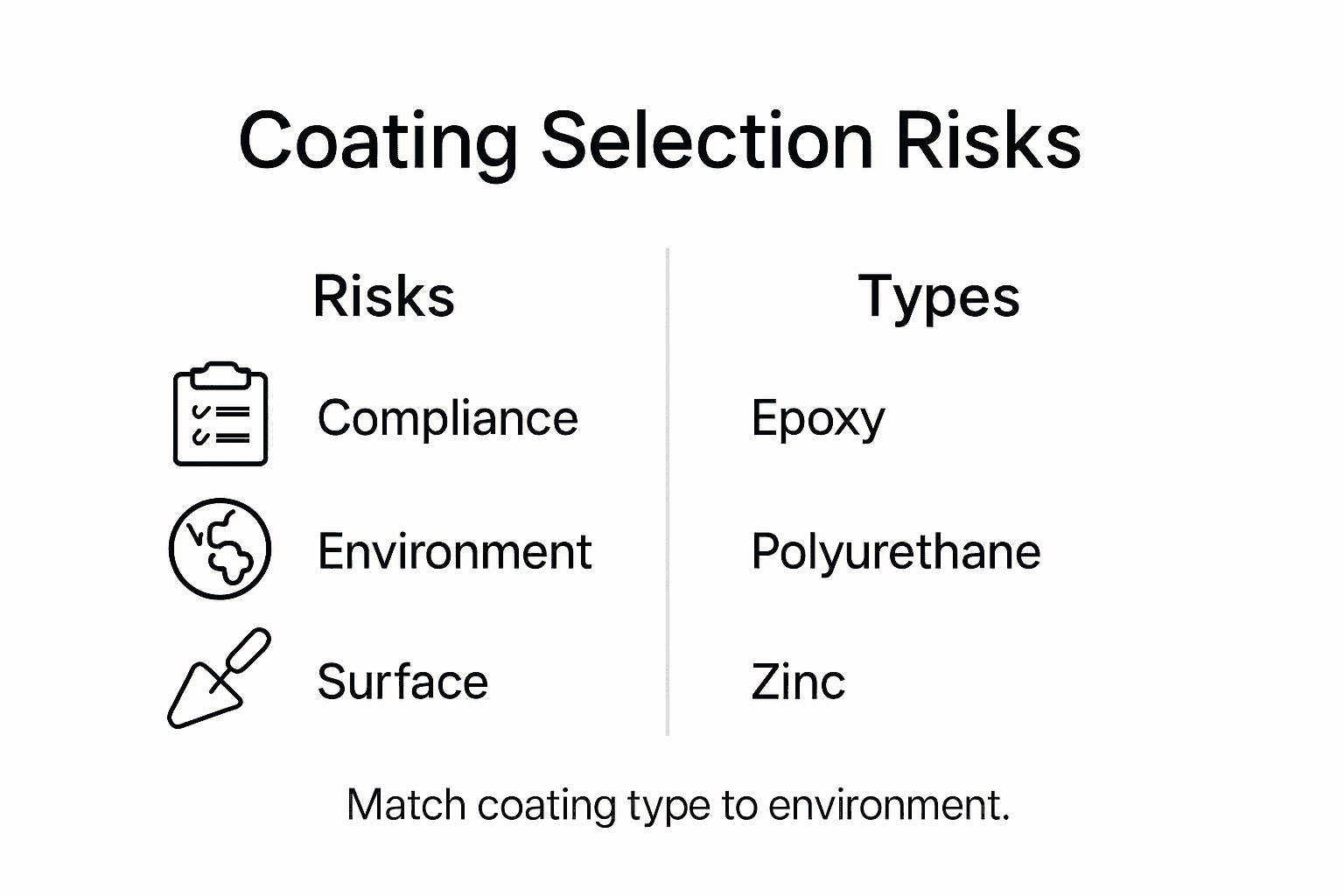
Coating selection presents numerous potential risks, including regulatory compliance challenges and environmental hazards, demanding comprehensive understanding of coating chemistry and rigorous quality control measures. These risks can significantly impact infrastructure performance and long-term maintenance costs.
Key risks in protective coating projects include:
Below is a summary of common risks and recommended risk mitigation strategies for protective coating projects:
| Common Risk | Example Scenario | Recommended Mitigation |
|---|---|---|
| VOC Regulation Violation | Using non-compliant coatings | Verify product certifications |
| Inadequate Preparation | Poor surface cleaning | Implement strict surface inspections |
| Material Incompatibility | Wrong coating on substrate | Conduct compatibility testing up front |
| Premature Failure | Early coating breakdown | Schedule periodic performance reviews |
- Regulatory Compliance Risks
- Volatile organic compound (VOC) regulation violations
- Environmental contamination potential
- Failure to meet local and federal environmental standards
- Technical Application Risks
- Inadequate surface preparation
- Improper coating thickness application
- Incompatibility between substrate and coating materials
- Performance Degradation Risks
- Premature coating failure
- Reduced protective capabilities
- Unexpected material interactions
The complex landscape of coating selection requires infrastructure managers to implement robust risk mitigation strategies, including comprehensive testing, professional certification, and continuous quality monitoring. Understanding these potential pitfalls helps prevent costly infrastructure rehabilitation and ensures optimal protective coating performance.
Pro tip: Conduct a thorough pre-application risk assessment that includes substrate analysis, environmental condition evaluation, and comprehensive material compatibility testing.
Strengthen Your Critical Infrastructure with Expert Protective Coating Services
Protective coatings are essential to preventing corrosion, material degradation, and costly maintenance in municipal and industrial infrastructure. If you are managing assets exposed to Florida’s challenging climate, including high humidity and saltwater risks, you need a partner who delivers tailored surface preparation and coating solutions designed for long-term durability. Southern Sandblasting & Painting LLC offers over 20 years of trusted experience in advanced sandblasting and industrial coating services that create reliable barriers against environmental damage. Our expertise in handling projects like water tanks, pipelines, and city infrastructure ensures your investments remain protected and perform optimally.

Don’t let inadequate surface preparation or improper coating selection jeopardize your infrastructure. Visit Southern Sandblasting & Painting LLC today to explore how our comprehensive industrial surface solutions help you meet compliance standards and extend asset lifespans. Connect with us now to schedule a consultation and secure your critical infrastructure against corrosion and premature failure.
Frequently Asked Questions
What are protective coatings in critical infrastructure?
Protective coatings are specialized surface treatments applied to infrastructure materials like concrete and metal to shield them from corrosion, chemical damage, and environmental degradation. They act as a barrier against destructive external forces, prolonging the lifespan of essential infrastructural components.
How do protective coatings prevent corrosion?
Protective coatings prevent corrosion by isolating metal surfaces from environmental elements like moisture, oxygen, and electrolytes. They employ strategies such as barrier protection, chemical inhibition, and sacrificial protection to maintain the integrity of the materials they cover.
What are the main types of protective coatings and their applications?
The main types of protective coatings include organic coatings (like epoxy and polyurethane), inorganic coatings (such as ceramic and metallic zinc), and nano-engineered coatings (featuring self-healing capabilities). Each type is suited for specific applications, such as pipelines, bridges, and high-risk structures.
What are best practices for applying protective coatings?
Best practices for applying protective coatings include rigorous surface preparation, careful material selection based on environmental conditions, and meticulous application techniques. Following established guidelines ensures optimal adhesion and long-term performance of the coatings.


