
Facility managers overseeing Central Florida’s municipal and industrial assets face relentless challenges from humidity, salt spray, and strict regulatory requirements. Certified coatings reduce maintenance frequency by up to 40% over a decade, delivering proven protection that meets compliance standards while extending infrastructure lifespan. This article clarifies certification standards, explains how these coatings protect against local environmental stressors, and provides practical selection guidance to help you safeguard assets cost-effectively.
Table of Contents
- Understanding Certified Coatings and Their Standards
- How Certified Coatings Protect Infrastructure Assets
- Certification and Regulatory Compliance Benefits
- Economic and Lifecycle Cost Benefits of Certified Coatings
- Common Misconceptions About Certified Coatings
- How Facility Managers Can Choose the Right Certified Coatings
- Protect Your Facility Assets with Expert Certified Coatings
- Frequently Asked Questions About Certified Coatings
Key Takeaways
| Point | Details |
|---|---|
| Regulatory Compliance | Certified coatings ensure adherence to OSHA and EPA standards, avoiding penalties and ensuring workplace safety. |
| Maintenance Reduction | Properly applied certified coatings cut maintenance needs by up to 40%, significantly lowering lifecycle costs. |
| Environmental Durability | Certified products withstand over 1000 hours of salt spray testing, critical for Central Florida’s coastal conditions. |
| Cost Misconceptions | Higher upfront costs are offset by extended asset lifespan of 20-50% and reduced recoating frequency. |
| Selection Framework | Choosing the right coating requires evaluating environmental exposure, regulatory mandates, and supplier credentials. |
Understanding Certified Coatings and Their Standards
Certified coatings are industrial-grade products tested and approved under rigorous standards to ensure safety, durability, and environmental compliance. Unlike conventional paints, these coatings undergo laboratory validation by organizations like ASTM International and the Society for Protective Coatings (SSPC), proving their performance under real-world conditions. For facility managers, this certification provides documented assurance that coatings will perform as claimed.
Two primary standards govern industrial coatings in Central Florida. ASTM develops technical specifications covering coating composition, application methods, and performance benchmarks. SSPC focuses specifically on surface preparation and protective coating systems for steel and concrete structures. Together, these standards create a framework that helps you compare products objectively and select solutions matched to your facility’s needs.
Regulatory bodies mandate certified coatings for many applications. OSHA mandates that coatings must meet specific safety standards, making certified coatings a compliance necessity for industrial facilities. The EPA enforces volatile organic compound (VOC) limits to protect air quality, particularly important in urban Central Florida. Municipal projects often require proof of certification before contract approval.
Key certification elements include:
- Laboratory testing for adhesion, flexibility, and chemical resistance
- Salt spray exposure validation exceeding 1000 hours
- VOC content verification meeting EPA thresholds
- Fire resistance ratings for specific applications
- Documentation trails for audit and compliance purposes
Understanding industry coating standards positions you to make informed decisions that protect both assets and budgets. Certified coatings aren’t just a best practice; they’re often a legal requirement that directly impacts your facility’s operational continuity.
How Certified Coatings Protect Infrastructure Assets
Certified coatings create multi-layer defense systems that address specific threats your assets face daily. The typical system includes a primer that bonds chemically to prepared metal surfaces, intermediate coats that build thickness and barrier properties, and a topcoat engineered to resist UV degradation and environmental exposure. Each layer serves a distinct protective function, working together to extend asset life substantially.
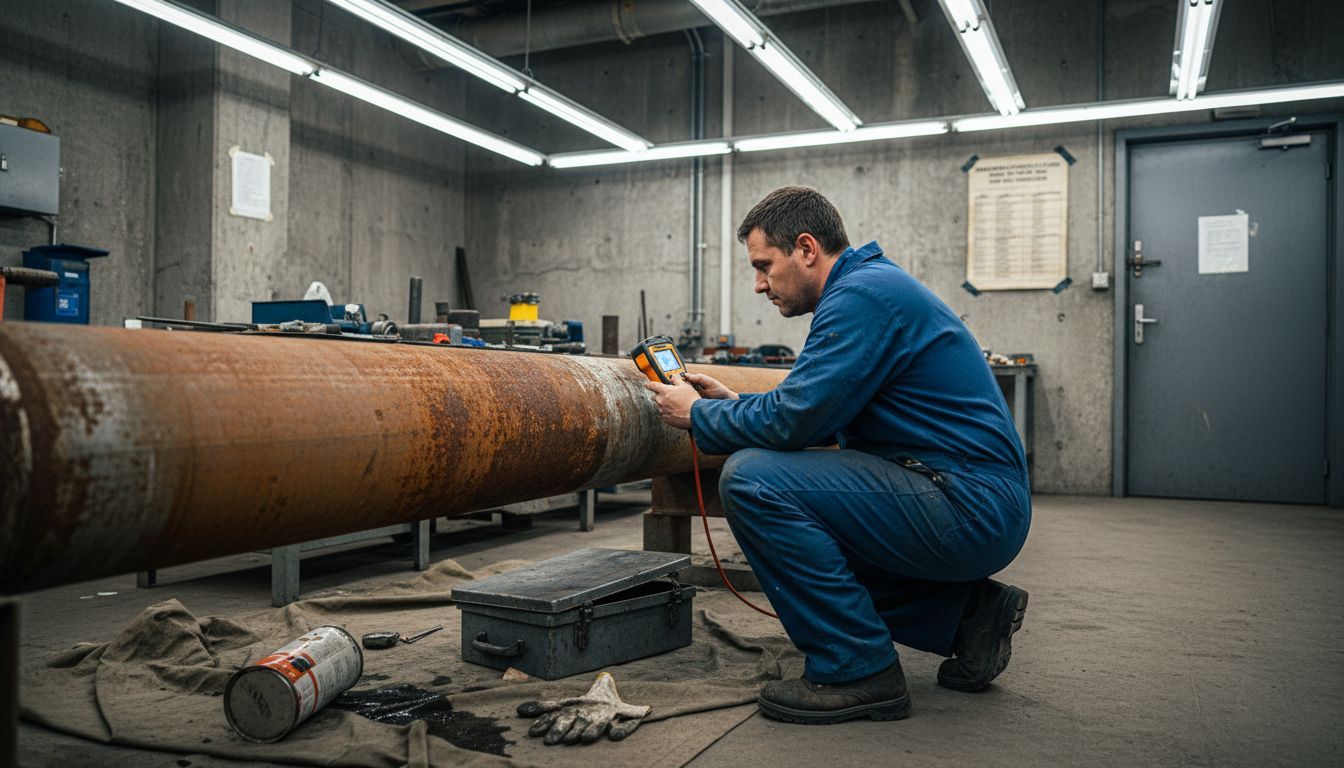
Central Florida’s climate presents unique challenges that accelerate infrastructure deterioration. High humidity levels maintain moisture on metal surfaces, promoting corrosion even in covered areas. Salt-laden air from coastal proximity penetrates conventional coatings, reaching substrate metals and initiating rust. Summer temperatures exceeding 95°F stress coating flexibility, while intense UV radiation breaks down unprotected finishes within months.
Certified coatings withstand over 1000 hours of salt spray testing, critical for Central Florida’s coastal infrastructure. This performance stems from advanced resin technologies and carefully controlled pigment-to-binder ratios that create dense, impermeable barriers. Epoxy-based primers provide exceptional adhesion and corrosion resistance. Polyurethane topcoats deliver UV stability and color retention that keeps assets looking maintained.
Protection mechanisms include:
- Barrier protection blocking moisture and oxygen from reaching metal substrates
- Cathodic protection through zinc-rich primers that sacrificially corrode instead of base metals
- Chemical resistance preventing damage from industrial cleaners and accidental spills
- Fire-retardant additives that slow flame spread and reduce smoke generation
Pro Tip: Always verify coating certifications match your specific environmental exposure. Coastal facilities within 10 miles of saltwater require higher salt spray resistance ratings than inland locations, even within Central Florida.
Expert coating chemists emphasize that certification testing simulates decades of real-world exposure in accelerated timeframes. When you select types of industrial coatings in Florida with proper certifications, you’re choosing products with proven track records rather than hoping untested options perform adequately.
Certification and Regulatory Compliance Benefits
Compliance isn’t optional in today’s regulatory environment, and certified coatings provide documented proof that your facilities meet mandatory safety and environmental standards. OSHA standards require coatings to meet safety norms, making certification mandatory in many municipal infrastructures. Facilities using non-certified products risk citations, fines, and project delays during safety audits.
EPA regulations governing VOC emissions have become increasingly stringent, particularly for urban areas. Low-VOC certified coatings meet federal air quality standards while delivering the durability you need. Municipal projects in Orlando, Tampa, and other Central Florida cities often specify maximum VOC limits in contract documents. Using certified products ensures your projects pass environmental review without modifications or reapplication.
Local building codes and municipal specifications frequently reference national standards by name, requiring ASTM or SSPC-certified products for public infrastructure. Water tank coatings, bridge maintenance, and facility renovations must demonstrate compliance through manufacturer certifications and application records. Insurance carriers increasingly consider coating certifications when assessing facility risk and setting premium rates.
Follow this compliance verification process:
- Review project specifications and identify all referenced standards (ASTM, SSPC, OSHA, EPA).
- Request manufacturer technical data sheets showing certification test results and compliance statements.
- Verify that certification testing was performed by accredited third-party laboratories, not just in-house.
- Confirm applicator training and certification for proper installation of specified coating systems.
- Maintain documentation including product data sheets, application records, and inspection reports for future audits.
- Schedule regular inspections per manufacturer recommendations to maintain compliance status.
Understanding coating compliance for city facilities helps you navigate the complex regulatory landscape efficiently. Certification streamlines approval processes, reduces liability exposure, and demonstrates your commitment to safety and environmental stewardship.
Economic and Lifecycle Cost Benefits of Certified Coatings
The financial case for certified coatings becomes clear when you analyze total cost of ownership rather than just purchase price. Use of certified coatings reduces maintenance frequency by up to 40%, significantly cutting costs over 10 years. This reduction stems from extended recoating intervals, fewer emergency repairs, and minimized asset downtime.
| Factor | Non-Certified Coatings | Certified Coatings |
|---|---|---|
| Initial Cost per Sq Ft | $2.50-$3.50 | $4.00-$6.00 |
| Expected Lifespan | 3-5 years | 7-12 years |
| Maintenance Frequency | Every 2-3 years | Every 5-7 years |
| Compliance Risk | High (potential fines) | Low (documented approval) |
| Total 10-Year Cost | $8,000-$12,000 | $6,000-$8,000 |
A Central Florida municipal water treatment facility documented substantial savings after switching to certified epoxy coatings. Previous non-certified coatings required reapplication every four years at $45,000 per cycle. Certified coatings with proper surface preparation lasted nine years, cutting per-year coating costs by 55% while eliminating two recoating cycles and associated operational disruptions.
Asset lifespan extension provides additional value beyond coating longevity. Corrosion damages underlying metal substrates, requiring expensive structural repairs or premature replacement. Certified coatings that prevent corrosion effectively extend total asset life by 20-50%, deferring capital expenditures and maximizing infrastructure investments. A $500,000 storage tank protected by certified coatings for 15 years delivers far greater value than one requiring replacement after 10 years.
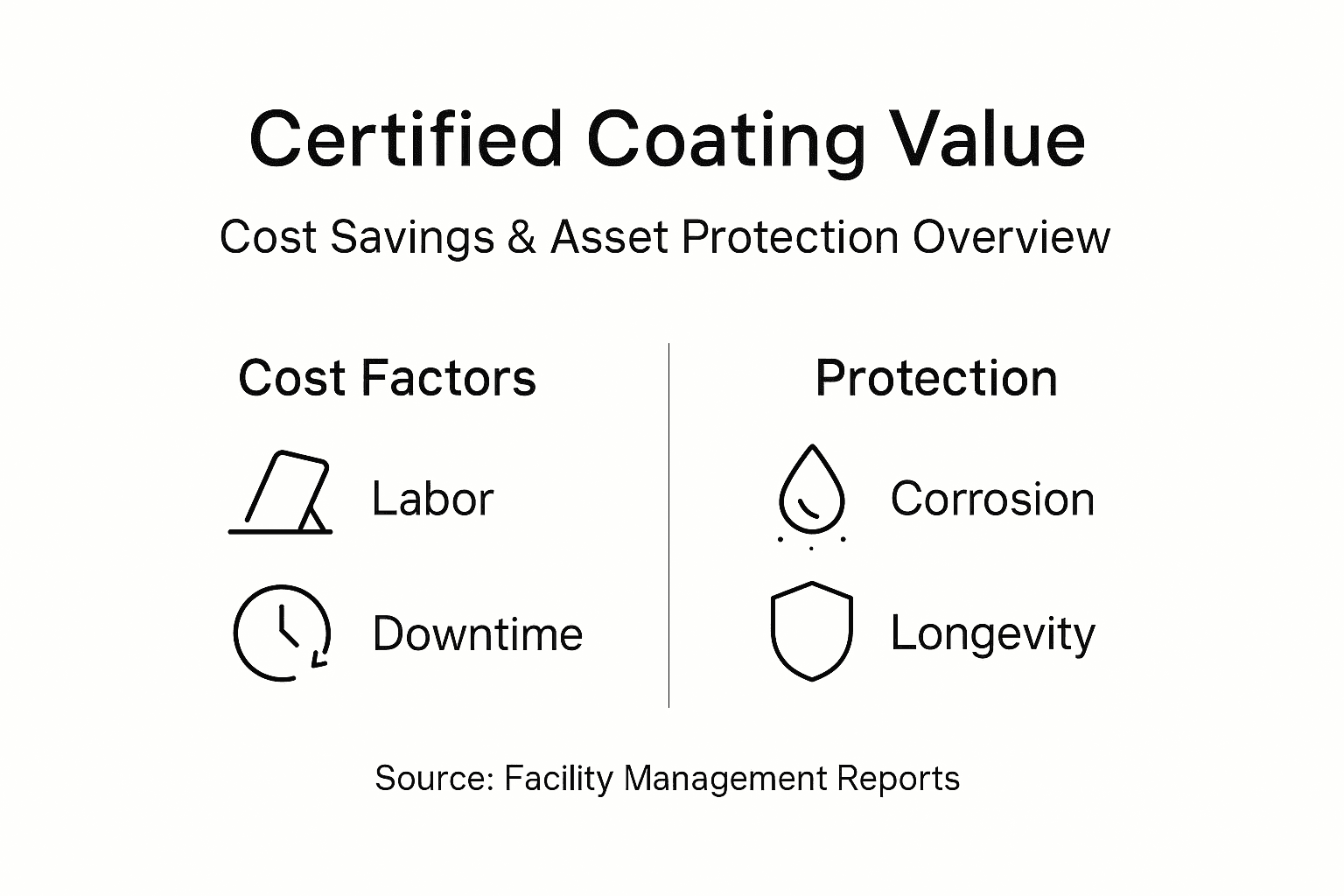
Pro Tip: Calculate lifecycle costs including application labor, facility downtime, and disposal costs, not just material prices. Certified coatings often cost less per year of protection despite higher initial investment.
Budget planning becomes more predictable with certified coatings. Documented performance data from manufacturer testing helps you forecast recoating schedules accurately. This predictability supports capital planning and prevents budget surprises from premature coating failure. Understanding industrial coatings benefits in Florida and selecting appropriate types of industrial coatings ensures you maximize return on coating investments.
Common Misconceptions About Certified Coatings
Several persistent myths prevent facility managers from choosing certified coatings despite their proven advantages. The belief that all industrial coatings provide equivalent protection ignores fundamental performance differences revealed through testing. Non-certified products may look identical when first applied but lack validated durability data. Certification ensures coatings have passed standardized tests measuring adhesion, flexibility, impact resistance, and environmental exposure tolerance.
Many assume certified coatings are prohibitively expensive, focusing only on per-gallon material costs. This perspective overlooks lifecycle economics where certified products deliver lower total costs through extended service life and reduced maintenance. A coating lasting 10 years at $6 per square foot costs $0.60 annually, while a 4-year coating at $3 per square foot actually costs $0.75 per year plus additional application labor for more frequent recoating.
Another misconception suggests certifications are unnecessary bureaucracy rather than meaningful compliance tools. Facilities operating without proper certifications face real consequences during OSHA inspections, EPA audits, or insurance reviews. Documented certification provides legal protection and demonstrates due diligence. One Central Florida manufacturer avoided $50,000 in OSHA fines specifically because certified coatings met flammable finish regulations.
Key facts that counter common myths:
- Laboratory testing objectively proves performance differences between certified and non-certified products
- Lifecycle cost analysis consistently shows certified coatings reduce total expenditure despite higher initial prices
- Regulatory compliance requires certification documentation; verbal assurances provide no legal protection
- Environmental durability validated through salt spray and weathering tests cannot be assessed visually
- Insurance and liability coverage may be compromised when using non-certified products on critical infrastructure
Making informed decisions requires examining evidence rather than accepting assumptions. Request test data, compare lifecycle costs, and verify regulatory requirements before selecting coatings. The small effort invested in due diligence prevents costly mistakes and ensures your assets receive protection they actually need.
How Facility Managers Can Choose the Right Certified Coatings
Selecting appropriate certified coatings requires systematic evaluation of facility-specific factors including environmental conditions, regulatory requirements, and budget constraints. Follow this decision framework to identify optimal solutions:
- Identify all applicable regulatory standards from project specifications, local codes, and industry requirements (OSHA, EPA, ASTM, SSPC).
- Assess environmental exposure including humidity levels, salt air proximity, chemical contact, temperature extremes, and UV intensity at your specific location.
- Define performance requirements such as expected service life, maintenance intervals, fire resistance, and aesthetic standards.
- Request technical data sheets showing certification test results, VOC content, application requirements, and expected lifespan.
- Evaluate supplier credentials including experience with Central Florida conditions, applicator training programs, and project references.
- Calculate total lifecycle costs incorporating material, labor, downtime, and projected recoating schedules over 10-15 years.
- Verify warranty terms and confirm what conditions void coverage, ensuring realistic protection.
Critical certifications to verify include ASTM D6386 for zinc-rich primers, SSPC-Paint 20 for zinc-rich coatings, and VOC compliance with EPA standards. Fire-rated applications require UL or FM approval certifications. Coastal facilities need salt spray resistance exceeding 1000 hours per ASTM B117 testing.
Matching coatings to exposure conditions prevents both over-specification that wastes budget and under-specification that leads to premature failure. Inland warehouses need less aggressive corrosion protection than coastal water tanks. Chemical processing facilities require specific chemical resistance that general-purpose coatings lack. Understanding municipal water tank coatings requirements helps you specify appropriately.
Supplier credibility matters as much as product certification. Experienced contractors understand Central Florida’s unique challenges and can recommend proven solutions. They provide proper surface preparation, follow manufacturer application guidelines, and document work for compliance records. Learning about protective coating advantages and the complete municipal infrastructure coating process helps you evaluate contractor proposals effectively.
Balance cost, performance, and compliance by prioritizing lifecycle value over lowest initial bid. Quality certified coatings with proper application deliver superior return on investment through extended asset life and reduced maintenance burden.
Protect Your Facility Assets with Expert Certified Coatings
Now that you understand how certified coatings safeguard infrastructure while reducing costs, partnering with experienced local specialists ensures optimal results. Southern Sandblasting & Painting brings over 20 years of expertise applying certified coating systems specifically engineered for Central Florida’s demanding conditions.
Our comprehensive approach begins with professional Orlando sandblasting services that prepare surfaces to SSPC standards, ensuring maximum coating adhesion and performance. We apply only certified products matched to your facility’s environmental exposure and regulatory requirements. Our team understands municipal specifications, OSHA compliance, and the unique challenges of coastal humidity and salt air. Discover our complete range of sandblasting and painting services in Orlando and learn how industrial coatings for Florida infrastructure deliver lasting protection. Contact us today for a consultation that puts certified coating expertise to work protecting your assets.
Frequently Asked Questions About Certified Coatings
Are certified coatings mandatory for all municipal infrastructure projects?
Most municipal contracts specify certified coatings for structures contacting potable water, high-traffic areas, or critical safety systems. While not universally required, certification provides legal protection and typically becomes mandatory when federal or state funding is involved.
How often should certified coatings be inspected or recoated in Central Florida?
Annual visual inspections identify early degradation, with detailed assessments every 3-5 years depending on exposure severity. Properly applied certified coatings typically require recoating every 7-12 years in Central Florida, compared to 3-5 years for non-certified alternatives.
What certifications guarantee environmental compliance in Florida?
EPA VOC limits and SCAQMD regulations govern environmental compliance. Look for products labeled as compliant with VOC regulations below 250 g/L for most applications. Water contact coatings need NSF/ANSI 61 certification for potable water safety.
Can certified coatings be applied without sandblasting preparation?
Certification performance assumes proper surface preparation per SSPC standards. Skipping sandblasting voids warranties and dramatically reduces coating lifespan. Surface contamination, mill scale, and existing coatings must be removed for certified coatings to achieve rated performance.
Do certified coatings protect equally well against chemical and fire exposure?
Different certifications address specific hazards. Chemical resistance requires specific ASTM testing against expected contaminants. Fire protection needs UL or FM ratings. A single coating rarely provides maximum protection for all exposures, so specify based on your primary risk factors.
Recommended
- Role of Coating Contractors in Asset Protection
- 7 Key Benefits of Asset Coating for Water Tanks and Pipelines
- Complete Guide to Asset Protection Coatings for Infrastructure
- Role of Coatings in Longevity – Extending Asset Lifespans
- Sandblasting Contractor Baldwin Park FL
- Sandblasting Services Oviedo FL


