
Upfront missteps in project scope evaluation can lead to costly rework or compliance headaches for Central Florida infrastructure managers. Coating projects for water tanks and bridges demand a clear roadmap that balances technical needs, regulatory guidelines, and asset longevity. By focusing on a thorough, well-documented assessment and comprehensive requirement analysis, you prepare your team to avoid risk and deliver results that stand up to weather and inspection.
Table of Contents
- Step 1: Assess Project Scope And Requirements
- Step 2: Prepare And Protect Infrastructure Surfaces
- Step 3: Execute Professional Sandblasting Operations
- Step 4: Apply Industrial-Grade Coating Systems
- Step 5: Inspect And Verify Coating Quality
- Step 6: Document Results And Complete Project
Quick Summary
| Key Point | Explanation |
|---|---|
| 1. Assess Project Scope Thoroughly | Gather detailed requirements to set the project on a path to success and minimize risks later on. |
| 2. Prepare Surfaces for Coating | Ensure optimal surface conditions by identifying contaminants and using appropriate preparation methods for better coating adhesion. |
| 3. Execute Sandblasting with Precision | Use appropriate equipment and techniques for effective sandblasting to create clean and properly profiled surfaces. |
| 4. Apply Coating with Care | Adhere to industrial application standards and carefully monitor conditions to ensure a durable coating. |
| 5. Document All Stages Meticulously | Create comprehensive reports that detail inspections and outcomes to support future maintenance and projects. |
Step 1: Assess Project Scope and Requirements
Successfully managing a municipal infrastructure coating project begins with a comprehensive understanding of its scope and specific requirements. Your initial assessment will serve as the critical foundation that determines the entire project’s trajectory and ultimate success.
Start by gathering detailed information through a systematic approach. Comprehensive requirement analysis involves multiple key components that municipal infrastructure managers must carefully evaluate:
- Technical specifications for coating materials and surface preparation
- Precise measurements of infrastructure assets (water tanks, bridges)
- Environmental conditions and potential performance challenges
- Compliance requirements with local and state regulations
- Estimated project timeline and budget constraints
During this phase, you’ll want to engage stakeholders from different departments to ensure a holistic view. This might include engineering teams, maintenance personnel, and city planning representatives. Each perspective provides valuable insights that can prevent costly miscalculations later in the project.
Clear project requirements minimize risks and maximize the probability of successful infrastructure coating implementation.
Documenting everything meticulously is crucial. Create a comprehensive project requirements document that outlines every aspect of the planned coating work, from surface preparation techniques to final quality inspection protocols. Government infrastructure assessment guidelines recommend including specific metrics for evaluating project success.
Pro tip: Schedule an initial kickoff meeting with all key stakeholders to align expectations and validate project requirements before investing significant resources.
Step 2: Prepare and Protect Infrastructure Surfaces
Preparing municipal infrastructure surfaces is a critical process that determines the longevity and performance of protective coatings. Your goal in this stage is to create an optimal surface condition that ensures maximum coating adhesion and long-term asset protection.
Begin by conducting a thorough surface inspection to identify existing conditions. Surface preparation standards dictate specific approaches based on the substrate type and existing surface condition. Key evaluation points include:
- Identifying surface contaminants like rust, old paint, or chemical residues
- Assessing structural integrity and surface profile
- Measuring surface roughness and cleanliness
- Determining appropriate cleaning and preparation techniques
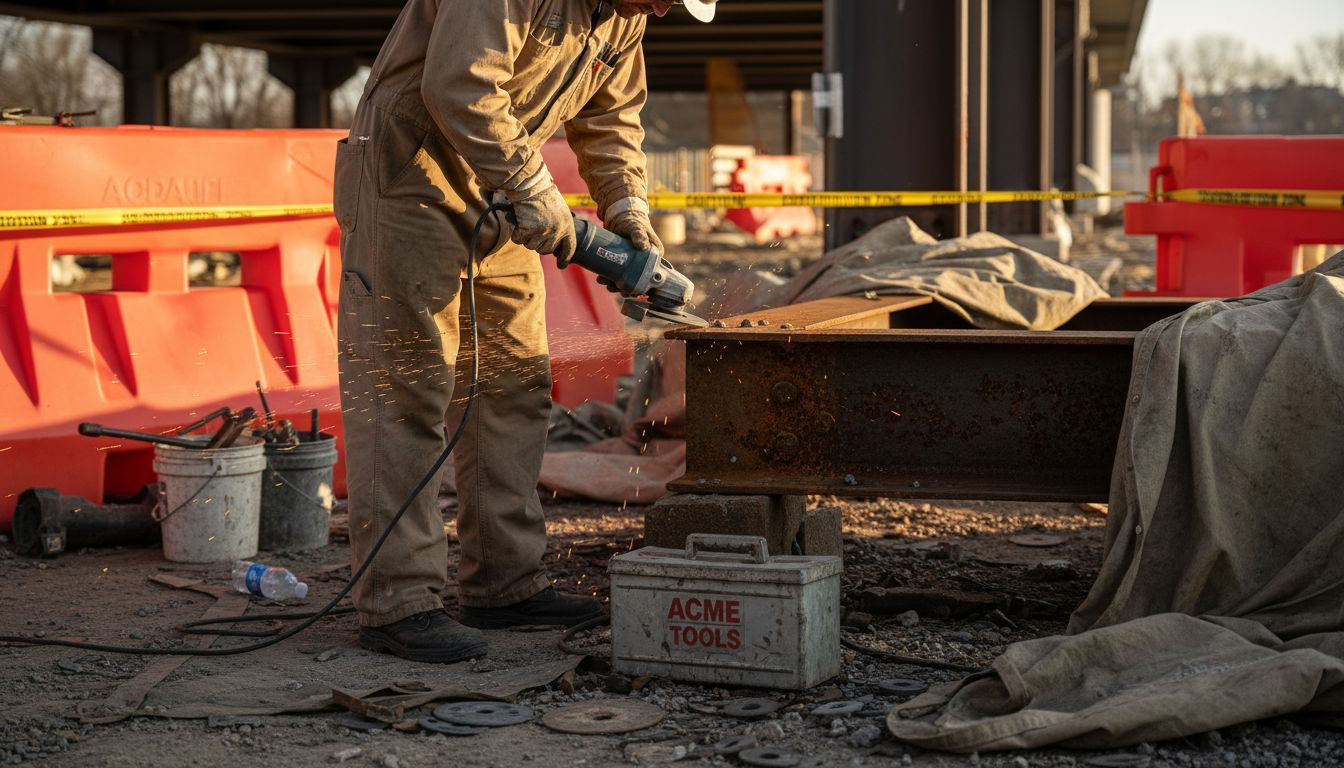
The preparation method will vary depending on your specific infrastructure asset. Water tanks, bridges, and pipelines each require unique approaches. Concrete surface preparation techniques range from low-impact cleaning to more aggressive methods like abrasive blasting or mechanical grinding.
Proper surface preparation is the foundation of a successful protective coating application.
Choose your preparation method carefully. Mechanical abrasion might work well for some surfaces, while chemical cleaning could be more appropriate for others. The goal is to create a clean, roughened surface that allows optimal coating adhesion and long-term protection against environmental challenges.
Here is a summary of surface preparation methods for different municipal infrastructure types:
| Asset Type | Common Surface Challenges | Preferred Preparation Method |
|---|---|---|
| Water Tanks | Scale, rust, biofilm | Abrasive blasting or pressure wash |
| Bridges | Rust, old coatings, debris | Mechanical grinding, sandblasting |
| Pipelines | Oil residue, corrosion | Chemical cleaning or sandblasting |
| Concrete Walls | Surface laitance, cracks | Power washing, abrasive blasting |
Pro tip: Invest in professional surface assessment tools and consider consulting coating specialists to determine the most effective preparation method for your specific infrastructure assets.
Step 3: Execute Professional Sandblasting Operations
Executing professional sandblasting requires precision, technical expertise, and rigorous safety protocols to effectively prepare municipal infrastructure surfaces for protective coating application. Your objective is to create a perfectly cleaned and profiled surface that ensures maximum coating adhesion and long-term durability.
Begin by selecting the appropriate abrasive blasting certification standards that match your specific infrastructure project requirements. Critical preparation steps include:
- Selecting correct abrasive media based on surface type
- Configuring blasting equipment for optimal pressure
- Establishing proper containment and environmental controls
- Ensuring comprehensive worker safety equipment
- Maintaining precise blasting distance and angle
Careful equipment setup is crucial. Sandblasting safety procedures emphasize the importance of proper grounding, dust containment, and personal protective gear to minimize environmental and health risks.
Professional sandblasting transforms surfaces by removing contaminants and creating an ideal coating substrate.
The technique requires a systematic approach. Start with lower pressure settings and gradually increase intensity, constantly monitoring surface profile and cleanliness. Different infrastructure assets like water tanks, bridges, and pipelines will demand unique blasting techniques and abrasive media selections.
Pro tip: Always conduct a small test area first to validate your blasting parameters and ensure the surface meets required cleanliness and profile specifications.
Step 4: Apply Industrial-Grade Coating Systems
Applying industrial-grade coating systems represents the culmination of your surface preparation efforts, transforming a cleaned infrastructure surface into a protected, durable asset. Your precision during this stage will directly impact the long-term performance and resilience of municipal infrastructure.
Begin by understanding industrial coating application standards that govern professional coating processes. Critical application considerations include:
- Selecting appropriate coating formulations for specific environmental conditions
- Maintaining precise environmental control during application
- Monitoring coating thickness and uniformity
- Verifying proper primer, intermediate, and topcoat layering
- Ensuring compliance with VOC and environmental regulations
The coating application requires meticulous technique. Protective coating strategies emphasize creating a comprehensive barrier that isolates infrastructure surfaces from potential corrosive environments.
Successful industrial coating application demands precision, expertise, and rigorous quality control.
Pay close attention to application equipment, environmental conditions, and technique. Different municipal infrastructure assets like water tanks, bridges, and pipelines may require specialized coating approaches. Temperature, humidity, and application method can significantly influence coating performance and longevity.
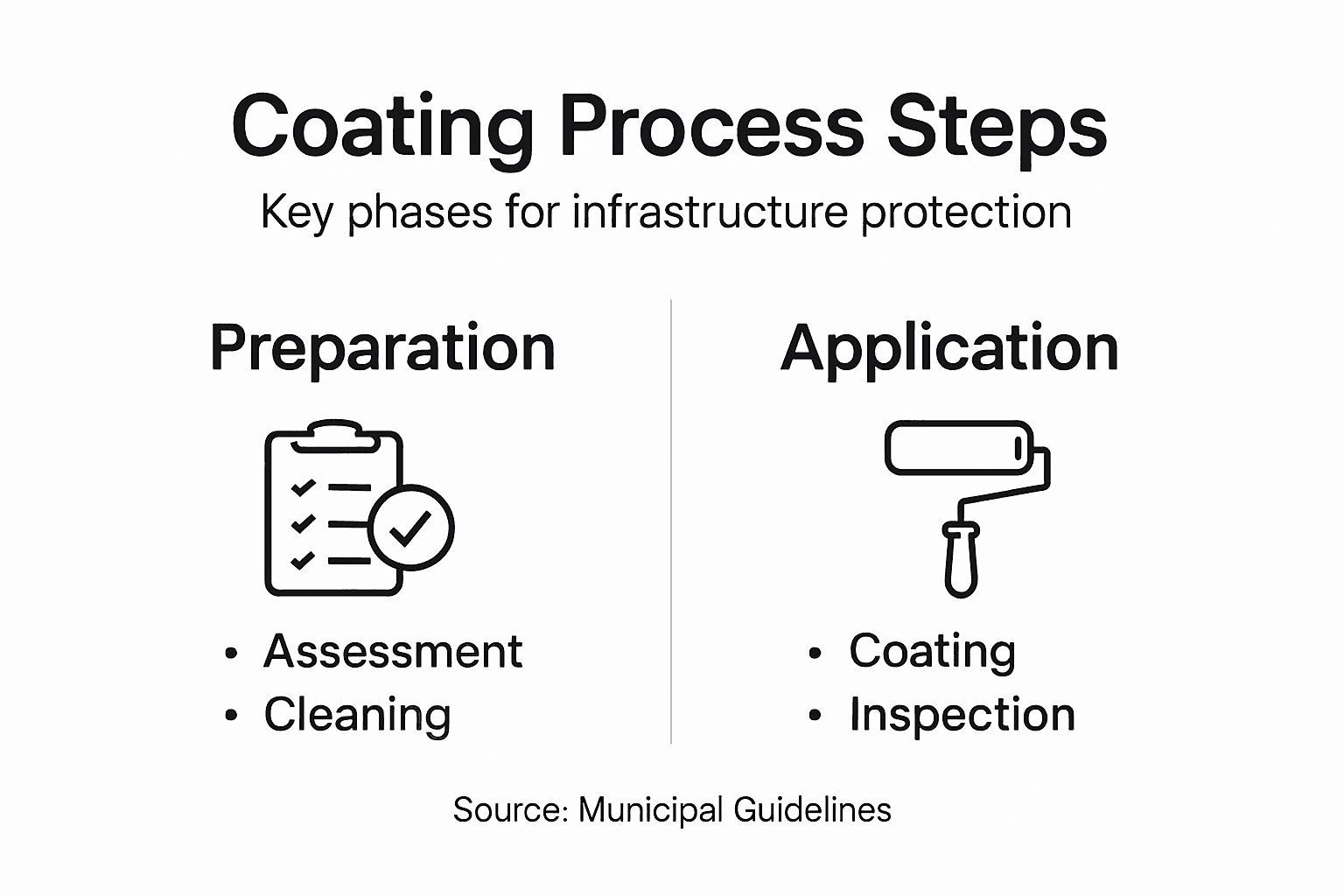
Pro tip: Document each coating layer’s application parameters and conduct intermediate inspections to ensure consistent, high-quality coverage throughout the entire coating process.
Step 5: Inspect and Verify Coating Quality
Inspecting and verifying coating quality is the critical final phase that ensures your municipal infrastructure investment delivers long-term protection and performance. Your meticulous examination will validate the effectiveness of previous surface preparation and coating application efforts.
Begin by utilizing coating inspection certification standards that provide comprehensive evaluation protocols. Key inspection techniques include:
- Measuring coating thickness with precision instruments
- Conducting visual surface examinations
- Performing non-destructive adhesion tests
- Checking for potential holiday or pinhole defects
- Documenting detailed inspection results
Professional inspectors employ multiple verification methods. Advanced coating inspection techniques involve comprehensive assessments that go beyond surface-level evaluations.
Rigorous quality verification protects infrastructure investments and prevents potential long-term performance failures.
Each infrastructure asset requires specific inspection approaches. Water tanks might need different evaluation criteria compared to bridges or pipelines. Environmental conditions, coating type, and asset-specific stress factors will influence your inspection strategy.
The following table compares key inspection techniques to ensure coating quality:
| Inspection Technique | Main Purpose | Most Suitable For |
|---|---|---|
| Thickness Measurement | Confirm uniform coverage | All asset types |
| Visual Surface Exam | Identify defects or flaws | Tanks, bridges, pipelines |
| Adhesion Testing | Check bond strength | Bridges, pipelines |
| Holiday Detection | Locate pinholes or gaps | Tanks, concrete structures |
Pro tip: Utilize calibrated digital inspection tools and maintain a systematic documentation process to create a comprehensive quality verification record for each coating application.
Step 6: Document Results and Complete Project
Successfully concluding your municipal infrastructure coating project requires comprehensive documentation that captures every critical detail of the process. Your final documentation will serve as an official record of the project’s execution and serve future maintenance and reference needs.
Begin by creating systematic coating inspection documentation that comprehensively tracks project progress and outcomes. Essential documentation components include:
- Compiling detailed inspection reports
- Recording coating thickness measurements
- Noting environmental conditions during application
- Documenting any corrective actions taken
- Creating a comprehensive photographic record
Infrastructure project governance protocols emphasize the importance of transparent, thorough project closure. Your documentation should provide a clear narrative of the entire coating process, from initial surface preparation to final quality verification.
Meticulous documentation transforms a completed project into a valuable organizational knowledge asset.
Ensure your final report includes lessons learned, performance metrics, and recommendations for future maintenance. This approach not only satisfies regulatory requirements but also provides valuable insights for subsequent infrastructure coating projects.
Pro tip: Digitize all project documents and create multiple backup copies to ensure long-term preservation and easy accessibility of critical project information.
Protect Your Municipal Assets with Expert Surface Preparation and Coatings
Managing municipal infrastructure coatings involves precise surface preparation and durable industrial-grade applications to ensure long-lasting protection. If rust, old paint, or environmental damage threaten your water tanks, bridges, or pipelines, professional sandblasting and coating solutions are essential. At Southern Sandblasting & Painting LLC, we specialize in transforming complex infrastructure challenges into resilient, asset-protected realities.

Discover how our skilled team with over 20 years of experience meets the highest standards in cleaning, sandblasting, and protective industrial coatings. Visit our Sandblasting & Painting page to see how we tailor surface preparation methods to each project. Ready to extend your asset lifespan with trusted expertise in Central Florida infrastructure? Contact us today at Southern Sandblasting & Painting LLC and start your path to reliable, long-term protection using proven industrial coating systems and surface treatments.
Frequently Asked Questions
What are the key steps in the municipal infrastructure coating process?
To successfully manage a municipal infrastructure coating project, follow these steps: assess project scope and requirements, prepare and protect surfaces, execute professional sandblasting, apply industrial-grade coatings, inspect and verify coating quality, and document results. Start by gathering detailed project requirements to set a solid foundation.
How can I ensure proper surface preparation for coating applications?
To ensure proper surface preparation, inspect the surface for contaminants, assess structural integrity, and determine the appropriate cleaning techniques. Conduct thorough inspections and utilize methods tailored to each asset type, such as abrasive blasting for rust removal.
What are the best practices for executing sandblasting operations?
Execute sandblasting operations by selecting suitable abrasive media, configuring equipment properly, and following safety protocols. Always conduct a test area first to validate blasting parameters and create an ideal surface for coating adhesion.
How can I verify the quality of the applied coating?
To verify coating quality, measure coating thickness, conduct visual inspections, and perform adhesion tests to check for defects. Document inspection results meticulously to establish a comprehensive quality verification record.
What should be included in the final project documentation?
Final project documentation should include detailed inspection reports, coating thickness measurements, environmental conditions, corrective actions taken, and a photographic record of the entire process. Ensure this document serves as an organizational knowledge asset for future projects.
Recommended
- What Is Protective Coating and Why Asset Longevity Depends On It
- Municipal Water Tank Coatings: Safeguarding City Systems
- 7 Essential Protective Coating Best Practices for Cities
- Role of Coatings in Longevity – Extending Asset Lifespans
- Instant UV-Curable Hardwood Floor Finish | Parker, CO
- Sandblasting Contractor Baldwin Park FL
- Sandblasting Services Oviedo FL


