
Facility managers and contractors in Central Florida face constant pressure to maintain critical infrastructure while controlling costs and minimizing downtime. Choosing the right surface preparation method directly impacts project success, coating durability, and long-term asset protection. Sandblasting has emerged as the preferred solution for industrial projects requiring thorough cleaning and optimal surface profiling. This article explores seven key benefits that make sandblasting essential for infrastructure maintenance, helping you make informed decisions that protect your investments and extend asset lifespans.
Table of Contents
- Key takeaways
- How sandblasting improves surface preparation quality
- Increased efficiency and project turnaround with sandblasting
- Longer lasting coatings and asset protection
- Environmental and safety advantages of professional sandblasting
- Professional sandblasting services in Central Florida
- Frequently asked questions
Key Takeaways
| Point | Details |
|---|---|
| Surface prep quality | Sandblasting removes rust, old paint, oils, salts, and contaminants to create a uniform rough surface that enhances coating adhesion. |
| Faster timelines | It can reduce surface prep time by up to fifty percent and accelerate project timelines. |
| Downtime reduction | Fewer workers on site lowers labor costs and minimizes operational downtime. |
| Substrate compatibility | Sandblasting is compatible with multiple substrates and coating systems and enables specifying surface profile requirements using SSPC or NACE guidelines. |
How sandblasting improves surface preparation quality
Surface preparation quality determines whether your protective coatings will last years or fail prematurely. Sandblasting removes rust, old paint, and contaminants effectively to create an ideal profile for coatings, stripping surfaces down to bare substrate. This thorough cleaning eliminates oils, salts, mill scale, and corrosion products that compromise coating adhesion.
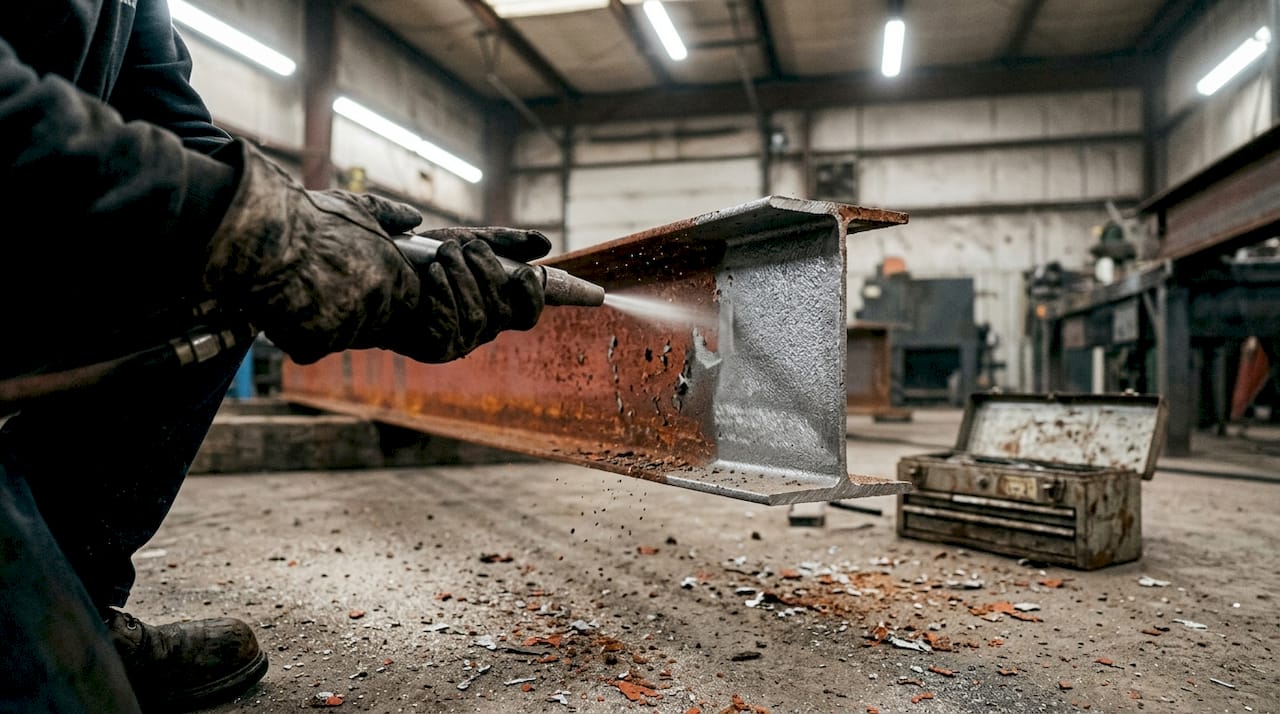
The abrasive action creates a controlled roughness profile that mechanical bonding requires. Think of it like preparing a wall before painting, except at an industrial scale where failure means costly repairs and safety risks. Chemical stripping leaves residues and takes longer. Grinding produces inconsistent profiles and generates excessive heat. Sandblasting delivers uniform results across large surfaces quickly.
The surface profile depth matters significantly. Too smooth and coatings peel. Too rough and you waste coating material filling valleys. Professional sandblasters match abrasive media to your substrate material and coating specifications. Steel structures typically need angular abrasives like aluminum oxide or steel grit. Concrete surfaces benefit from softer media that cleans without excessive erosion.
Pro Tip: Specify the surface profile requirement in your project specifications using SSPC standards or NACE guidelines. This ensures contractors deliver the exact roughness your coating system needs for optimal performance and longevity.
Key advantages of sandblasted surface preparation include:
- Complete removal of surface contaminants without chemical residues
- Consistent surface profile across entire project area
- Immediate readiness for coating application after dust removal
- Compatibility with all industrial coating systems and specifications
Increased efficiency and project turnaround with sandblasting
Time equals money on industrial projects. Every day your infrastructure remains out of service costs revenue and disrupts operations. Sandblasting can reduce surface prep time by up to 50% compared to manual methods, dramatically accelerating project timelines and minimizing operational disruption.
The powerful abrasive stream cleans hundreds of square feet per hour. A single operator with proper equipment accomplishes what would take a crew days using wire brushes or grinders. This efficiency becomes critical when you face tight maintenance windows or seasonal weather constraints in Florida’s climate.
Reduced labor requirements translate directly to cost savings. Fewer workers on site means lower labor expenses, simplified logistics, and reduced safety management complexity. You avoid the cumulative fatigue and inconsistency that plague manual surface preparation crews over multi-day projects.
Minimized downtime keeps your infrastructure operational longer. Water tanks, pipelines, and structural steel can return to service faster when surface preparation doesn’t drag on for weeks. This operational continuity protects revenue streams and maintains service reliability for your stakeholders.
Up to 50% faster surface prep compared to manual techniques directly improves project delivery timelines and reduces total ownership costs.
Efficiency benefits include:
- Rapid cleaning of large surface areas with consistent quality
- Reduced labor costs through mechanized preparation processes
- Shorter project timelines enabling faster return to service
- Decreased weather exposure risk during Florida’s rainy season
Longer lasting coatings and asset protection
Your protective coating investment only pays off if it lasts. Sandblasting creates the foundation for superior coating adhesion that extends maintenance cycles and protects assets for decades rather than years. The mechanical bonding achieved through proper surface profiling prevents premature coating failure that leads to expensive emergency repairs.
When coatings adhere properly to sandblasted surfaces, they form continuous barriers against moisture, chemicals, and atmospheric corrosion. This protection preserves structural integrity and prevents the accelerated degradation that occurs once corrosion begins. For water tanks, pipelines, and steel structures, this extended service life represents substantial cost avoidance.
| Surface Preparation Method | Average Coating Lifespan | Maintenance Frequency | Long-Term Cost |
|---|---|---|---|
| Sandblasting | 15-20 years | Every 15-20 years | Low |
| Power tool cleaning | 7-10 years | Every 7-10 years | Medium |
| Hand tool cleaning | 3-5 years | Every 3-5 years | High |
| Chemical stripping | 8-12 years | Every 8-12 years | Medium-High |
The comparison reveals how initial investment in proper sandblasting pays dividends through reduced lifecycle costs. Recoating every 15 years instead of every 5 years means fewer disruptions, lower cumulative material costs, and extended asset service life.
Proper surface preparation also enables thinner coating applications that still perform effectively. When coatings bond mechanically to an ideal profile, you need less material to achieve specified dry film thickness. This efficiency reduces material costs while maintaining protection standards.
Pro Tip: Schedule regular inspections every 3-5 years after coating application to identify minor touch-up needs before they become major recoating projects. Early intervention on small damaged areas preserves the majority of your coating investment.
Consider how protective coating application techniques interact with surface preparation quality to maximize asset protection.
Environmental and safety advantages of professional sandblasting
Responsible facility management requires attention to environmental impact and worker safety. Modern sandblasting methods reduce dust and waste while meeting environmental standards that protect your project reputation and ensure regulatory compliance.
Containment systems capture abrasive materials and debris during blasting operations. Enclosed blast rooms or portable containment structures prevent airborne particles from spreading beyond work areas. This containment protects nearby equipment, reduces cleanup requirements, and prevents environmental contamination. For projects near water bodies or sensitive ecosystems, containment becomes essential for permit compliance.
Recycling abrasive materials reduces waste disposal costs and environmental impact. Steel shot and grit can be cleaned and reused multiple times before requiring disposal. Recyclable abrasives lower material costs while reducing landfill contributions. Some facilities achieve 30-40 reuse cycles with proper abrasive management systems.
Trained professionals understand respiratory protection requirements and use appropriate personal protective equipment. Silica exposure from certain abrasives poses serious health risks without proper controls. Professional contractors implement engineering controls, use alternative media when appropriate, and ensure workers wear supplied-air respirators in high-exposure environments.
Compliance with Florida environmental regulations protects your organization from fines and project delays. Stormwater pollution prevention, air quality standards, and waste disposal requirements all apply to surface preparation activities. Professional contractors maintain permits, document compliance, and implement best management practices that satisfy regulatory agencies.
Environmental and safety advantages include:
- Dust containment systems protecting air quality and nearby areas
- Abrasive recycling programs reducing waste and material costs
- Professional safety protocols minimizing worker exposure to hazards
- Regulatory compliance documentation supporting permit requirements
- Reduced chemical use compared to solvent-based stripping methods
Professional sandblasting services in Central Florida
Finding the right partner for industrial surface preparation determines whether you achieve the benefits outlined above or face project complications. Southern Sandblasting and Painting brings over 20 years of specialized experience to infrastructure projects throughout Central Florida, delivering the quality and reliability that facility managers and contractors depend on.
Our team understands the unique challenges Florida’s climate presents for surface preparation and coating application. Humidity, salt air, and intense UV exposure demand meticulous preparation and appropriate coating selection. We customize surface prep solutions to ensure maximum coating performance in Central Florida’s demanding environment, matching abrasive media, profile specifications, and cleaning standards to your specific asset protection requirements.
Our sandblasting services in Orlando cover water tanks, structural steel, pipelines, concrete surfaces, and specialized industrial equipment. We maintain modern equipment, trained personnel, and comprehensive safety programs that meet or exceed industry standards. Whether you need spot repairs or complete facility rehabilitation, we scale our operations to match your project scope and timeline.
Experience matters when project success depends on proper execution. Our team adheres to SSPC and NACE standards, maintains environmental compliance, and delivers consistent quality across projects ranging from municipal infrastructure to theme park facilities. We provide detailed documentation supporting your asset management records and regulatory requirements.
Pro Tip: Engage surface preparation professionals during project planning phases to optimize specifications, identify potential challenges, and establish realistic timelines. Early involvement prevents costly mid-project changes and ensures coating systems match actual site conditions.
Explore our complete range of sandblasting and painting services designed for industrial and infrastructure applications. We partner with you to protect your assets and extend their service life through proven surface prep best practices refined over decades of Central Florida projects.
Frequently asked questions
What is sandblasting and how does it work?
Sandblasting propels abrasive media at high velocity against surfaces using compressed air or mechanical systems. The impact energy removes coatings, rust, scale, and contaminants while creating a roughened profile. Different abrasive materials suit different substrates, from aluminum oxide for steel to softer media for concrete or composites.
Why is surface preparation important before applying protective coatings?
Coatings only perform as well as the surface beneath them. Contaminants like oil, rust, or old paint prevent proper adhesion, causing premature failure. Proper surface preparation removes these barriers and creates the mechanical profile coatings need to bond effectively. Without adequate preparation, even premium coating systems fail within months rather than lasting decades.
Can sandblasting be used on all industrial surfaces?
Sandblasting works effectively on metals, concrete, masonry, and many composite materials when you match abrasive media to substrate characteristics. Steel structures tolerate aggressive abrasives like steel grit or aluminum oxide. Concrete needs softer media to avoid excessive erosion. Some delicate substrates require alternative methods, but sandblasting handles the vast majority of industrial surface preparation applications.
How does sandblasting support environmental compliance?
Modern sandblasting operations use containment systems that capture dust and debris, preventing environmental release. Abrasive recycling reduces waste requiring disposal. Professional contractors document compliance with air quality, stormwater, and waste management regulations. These practices satisfy permit requirements and protect your project from environmental violations that cause delays and fines.
Recommended
- Examples of sandblasting projects for asset longevity
- Sandblasting & Painting Services in Orlando FL | Southern
- What Is Industrial Sandblasting and Its Local Impact
- 7 Key Protective Coating Advantages for Facility Managers
- Industrial Painting Services in Orlando, FL
- Sandblasting Services in Orlando, FL


