

Maintaining bridges, water facilities, and transportation infrastructure across Central Florida demands precise surface preparation and strict regulatory compliance. Municipal managers face the ongoing challenge of finding sandblasting solutions that deliver durability while minimizing dust and environmental impact. With methods ranging from dry to wet abrasive blasting and careful media selection, industrial sandblasting is key to restoring assets, meeting air quality standards, and extending the life of public works.
Table of Contents
- Defining Industrial Sandblasting Processes
- Types of Sandblasting Methods and Equipment
- Applications in Infrastructure and Facility Projects
- Health, Safety, and Environmental Compliance
- Cost Factors and Project Planning Considerations
Key Takeaways
| Point | Details |
|---|---|
| Importance of Media Selection | Choosing the appropriate abrasive media is crucial for achieving desired surface preparation outcomes while minimizing environmental impact. |
| Role of Environmental Compliance | Adhering to environmental regulations is essential to ensure safe practices and operational effectiveness in sandblasting operations. |
| Health and Safety Protocols | Implementing rigorous safety standards and PPE is necessary to protect workers from respiratory hazards and other risks associated with sandblasting. |
| Cost-Effective Project Planning | A thorough cost analysis and strategic planning can optimize efficiency and project outcomes, focusing on equipment investment and operational expenses. |
Defining Industrial Sandblasting Processes
Industrial sandblasting is a precision surface preparation technique that forcibly propels abrasive materials against surfaces to clean, smooth, or prepare them for additional treatments. Abrasive blasting uses compressed air or mechanical systems to direct high-pressure media toward industrial equipment, infrastructure, and structural components.
The fundamental process involves several critical components and methodological considerations:
- High-pressure propulsion systems
- Specialized abrasive media selection
- Controlled projection techniques
- Surface preparation and restoration objectives
Sandblasting technologies emerged in the late 19th century and have since evolved into sophisticated industrial surface treatment methods. Modern techniques range from highly aggressive shot blasting to gentler approaches like soda blasting, each designed to meet specific surface preparation requirements.
Abrasive media play a crucial role in determining the sandblasting process effectiveness. Different materials offer unique characteristics:
- Steel shot for heavy-duty metal surface preparation
- Aluminum oxide for precision metal finishing
- Crushed glass for delicate surface treatments
- Ceramic media for extreme durability
Environmental regulations significantly influence sandblasting practices, particularly regarding dust emission and media selection. Emission controls determine appropriate blasting techniques to minimize environmental impact and ensure worker safety.
Pro tip: Always consult local environmental guidelines and select appropriate abrasive media based on your specific surface preparation requirements.
Types of Sandblasting Methods and Equipment
Industrial sandblasting encompasses a diverse range of methods and specialized equipment designed to address various surface preparation requirements. Abrasive blasting technologies include multiple operational approaches that can be customized based on specific project demands and environmental considerations.
The primary sandblasting methods can be categorized into several distinct types:
- Dry Abrasive Blasting: Traditional method using compressed air to propel media
- Wet Abrasive Blasting: Incorporates water to reduce dust and minimize environmental impact
- Vapor Blasting: Uses moisture and abrasive media for gentler surface treatment
- Automated Robotic Blasting: Precision systems for consistent industrial applications
Sandblasting equipment ranges from portable handheld units to sophisticated industrial systems, each designed to meet specific operational requirements. The equipment complexity depends on factors like surface material, desired finish, and environmental regulations.
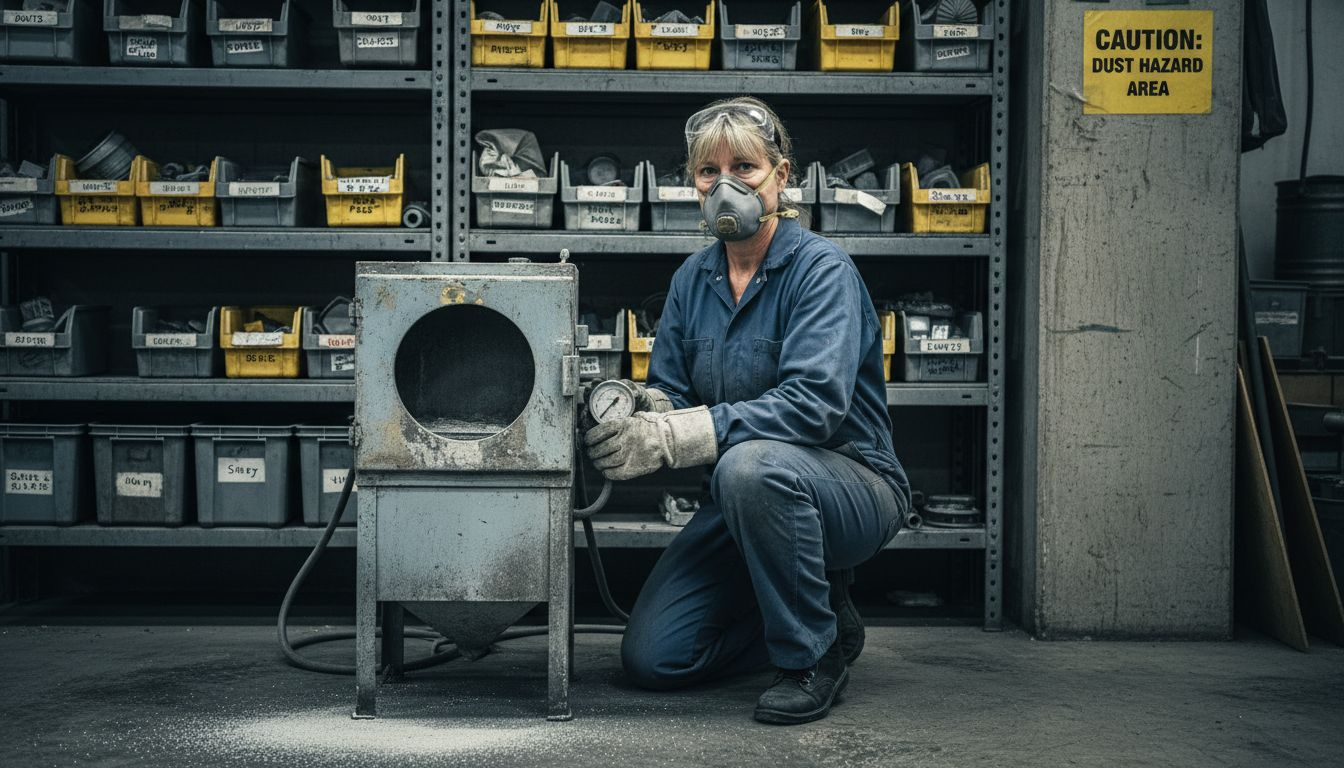
Media selection is crucial in determining the sandblasting process effectiveness. Different abrasive materials offer unique characteristics:
For quick reference, here’s how common sandblasting methods differ in application and environmental impact:
| Sandblasting Method | Typical Use Case | Dust Control Level | Surface Finish Quality |
|---|---|---|---|
| Dry Abrasive Blasting | Heavy rust removal | Low | Aggressive, rough |
| Wet Abrasive Blasting | Sensitive industrial surfaces | Moderate | Cleaner, less rough |
| Vapor Blasting | Restoration of delicate materials | High | Smooth and uniform |
| Robotic Blasting | Large-scale, repetitive operations | High | Consistent, highly controlled |
- Steel shot for aggressive metal surface preparation
- Aluminum oxide for precision finishing
- Ceramic media for extreme durability
- Plastic media for delicate surfaces
- Glass beads for smooth, uniform treatments
Environmental compliance plays a significant role in equipment and method selection. Abrasive blasting operations require careful regulatory adherence to minimize emissions and ensure workplace safety.
Pro tip: Always match your sandblasting method and media to the specific surface requirements and environmental guidelines to achieve optimal results.
Applications in Infrastructure and Facility Projects
Industrial sandblasting plays a critical role in maintaining and preparing surfaces across diverse infrastructure and facility projects. Concrete surface treatment techniques enable municipalities and facility managers to restore, prepare, and enhance critical structural components.
Key infrastructure and facility applications include:
- Bridge Rehabilitation: Removing old coatings and preparing steel surfaces
- Water Treatment Facilities: Cleaning tanks, pipes, and storage infrastructure
- Transportation Infrastructure: Surface preparation for highways, airports, and transit systems
- Industrial Manufacturing Facilities: Preparing equipment surfaces for new coatings
- Municipal Buildings: Restoring concrete and metal surfaces
In concrete infrastructure, sandblasting serves multiple essential functions. The process can texture surfaces, remove existing paint, and expose underlying aggregates to improve both aesthetic and functional characteristics of structures.
Surface preparation is a critical component of infrastructure maintenance. Abrasive blasting removes contaminants before protective coating application, ensuring long-term durability and performance of industrial assets:
- Removing rust and old paint
- Cleaning weld slag and mill scale
- Creating optimal surface profiles for coating adhesion
- Preparing metals for galvanization
- Improving surface energy for better paint retention
Municipal and industrial projects demand precise surface treatment to extend asset lifespans and maintain structural integrity. Sandblasting provides a versatile solution for addressing complex surface preparation challenges across multiple infrastructure sectors.
Pro tip: Always conduct a comprehensive surface assessment before selecting sandblasting parameters to ensure optimal results and minimal substrate damage.
Health, Safety, and Environmental Compliance
Industrial sandblasting operations demand rigorous health and safety protocols to protect workers and minimize environmental risks. OSHA mandates comprehensive safety standards to mitigate potential hazards associated with abrasive blasting processes.
Critical safety considerations include:
- Personal Protective Equipment (PPE)
- Respirators with proper filtration
- Full-body protective suits
- Safety goggles and face shields
- Steel-toed boots and heavy-duty gloves
- Respiratory Protection
- Supplied air respirators
- Silica dust filtration systems
- Environmental Controls
- Dust containment measures
- Noise reduction strategies
- Air quality monitoring
Silica dust exposure represents the most significant health risk in sandblasting operations. Prolonged inhalation of respirable crystalline silica can lead to serious lung diseases, including silicosis, which makes comprehensive respiratory protection absolutely critical.
Safe operating procedures for sandblasting require multiple layers of protection and compliance:
- Comprehensive worker training programs
- Regular equipment maintenance
- Proper grounding of blasting equipment
- Strict adherence to exposure limit guidelines
- Implementing engineering controls
- Conducting regular health screenings
Environmental regulations play a crucial role in sandblasting operations, requiring careful management of dust emissions, noise levels, and potential contamination risks. Facility managers must develop comprehensive safety protocols that address both worker protection and environmental compliance.
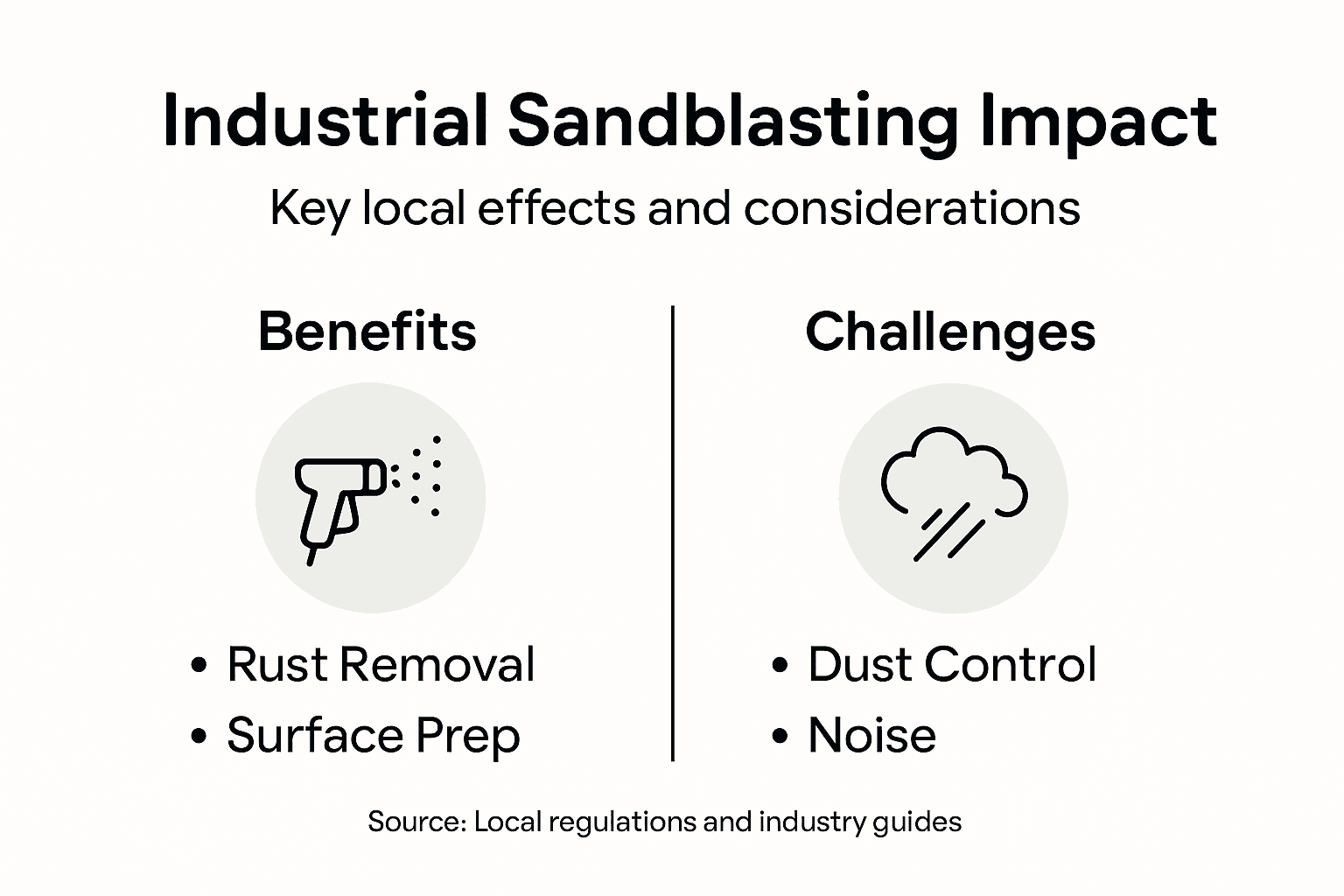
Pro tip: Develop a comprehensive safety management plan that includes regular training, equipment inspections, and medical monitoring to ensure maximum protection for workers and environmental compliance.
Cost Factors and Project Planning Considerations
Successful sandblasting projects demand comprehensive cost analysis and strategic planning to optimize operational efficiency. Portable sandblasting machine design significantly influences project economics by reducing material handling expenses and improving operational flexibility.
Key cost considerations include:
- Equipment Investment
- Initial machinery procurement
- Maintenance and replacement costs
- Technology upgrade expenses
- Operational Expenses
- Abrasive media consumption
- Labor costs
- Safety equipment requirements
- Project-Specific Factors
- Surface complexity
- Project scale and duration
- Accessibility of work surfaces
Automation technologies play a crucial role in managing project costs and efficiency. Automated sandblasting systems can dramatically reduce cycle times and minimize human error, ultimately lowering overall project expenses.
Detailed project planning involves multiple strategic considerations:
- Comprehensive site assessment
- Precise equipment selection
- Material compatibility analysis
- Detailed safety protocol development
- Accurate time and resource estimation
- Contingency planning for unexpected challenges
Economic optimization requires a holistic approach that balances equipment capabilities, operational efficiency, and safety compliance. Facility managers must carefully evaluate long-term value against initial investment, considering factors beyond immediate project costs.
Here’s a summary of key factors influencing sandblasting project economics and performance:
| Factor | Impact on Cost | Effect on Project Outcome |
|---|---|---|
| Equipment Investment | High upfront expense | Determines operational capability |
| Media Consumption | Ongoing costs | Affects finish and efficiency |
| Labor | Variable | Influences speed and precision |
| Automation | Reduces labor costs | Enhances consistency and accuracy |
Pro tip: Develop a comprehensive cost-benefit analysis that includes not just immediate expenses, but potential long-term savings from improved efficiency and reduced maintenance requirements.
Enhance Your Infrastructure with Expert Industrial Sandblasting Solutions
Industrial sandblasting plays a vital role in preparing surfaces, removing rust, paint, and contaminants for long-lasting protection. If you are managing critical infrastructure or large-scale projects suffering from degradation or inefficiency, addressing surface treatment challenges is essential to improve durability and safety. With over 20 years of experience, Southern Sandblasting & Painting LLC understands the importance of precise sandblasting techniques and compliant operations tailored to Central Florida’s unique needs.
Discover how our professional team can restore your assets through advanced Sandblasting methods combined with expert Industrial Painting services for comprehensive protection and enhanced asset longevity.

Don’t let worn or contaminated surfaces compromise your infrastructure’s performance. Visit Southern Sandblasting & Painting LLC today to learn how our skilled professionals deliver durable surface preparation and coating solutions customized to your project requirements. Contact us now to safeguard your investment with local expertise and proven results.
Frequently Asked Questions
What is industrial sandblasting?
Industrial sandblasting is a surface preparation technique that uses compressed air or mechanical systems to propel abrasive materials against surfaces to clean, smooth, or prepare them for additional treatments.
What safety measures should be taken during sandblasting?
Workers should wear personal protective equipment (PPE) such as respirators, full-body protective suits, safety goggles, and steel-toed boots to minimize health risks associated with silica dust and other hazards.
What types of abrasive media are commonly used in industrial sandblasting?
Common abrasive media include steel shot for heavy-duty metal surface preparation, aluminum oxide for precision finishing, crushed glass for delicate treatments, and ceramic media for extreme durability.
How does sandblasting impact the environment?
Sandblasting operations can generate dust and emissions, which are regulated to minimize environmental impact. Wet and vapor blasting methods are often employed to reduce dust and improve air quality.
Recommended
- Sandblasting & Painting Services in Orlando FL | Southern
- Surface Preparation Workflow for Industrial Projects
- Sandblasting Services in Orlando, FL
- Surface Treatment Process for Durable Infrastructure Results
- environmental impact urban planning | 3D Cityplanner


