by Mike Folta | Aug 29, 2026 | Sandblasting & Painting
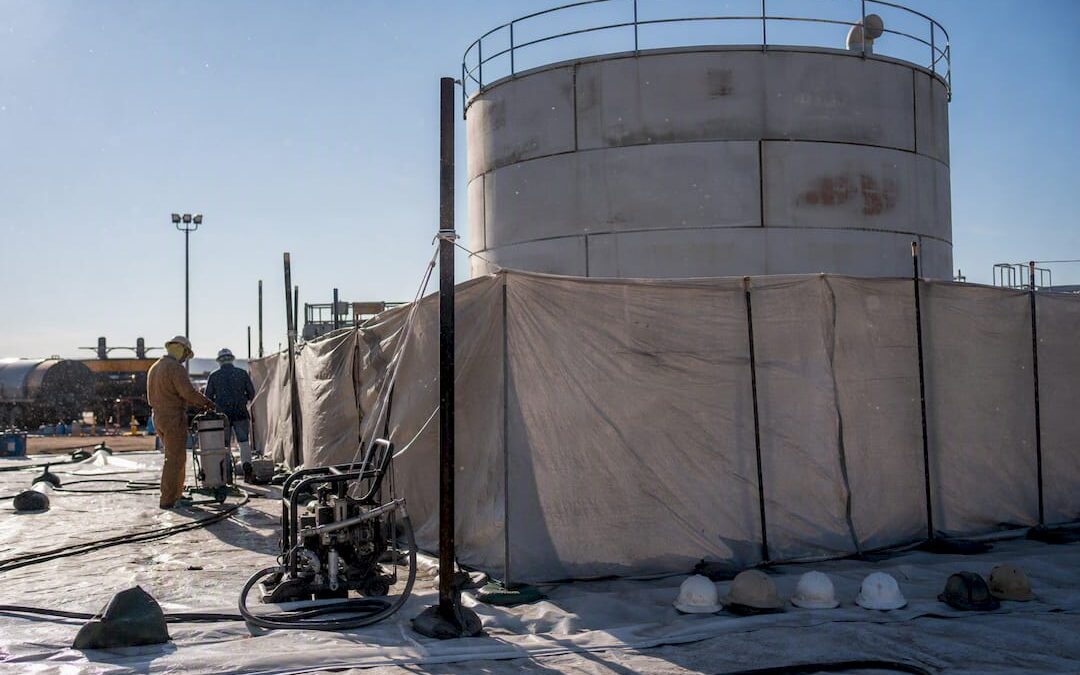
Abrasive blasting, done with proper containment and monitoring, is the most reliable way to strip old coatings and corrosion from a water tank and leave behind the surface profile that new coatings need to bond. It works on steel, concrete, and most industrial tank...
by Mike Folta | Aug 28, 2026 | Sandblasting & Painting
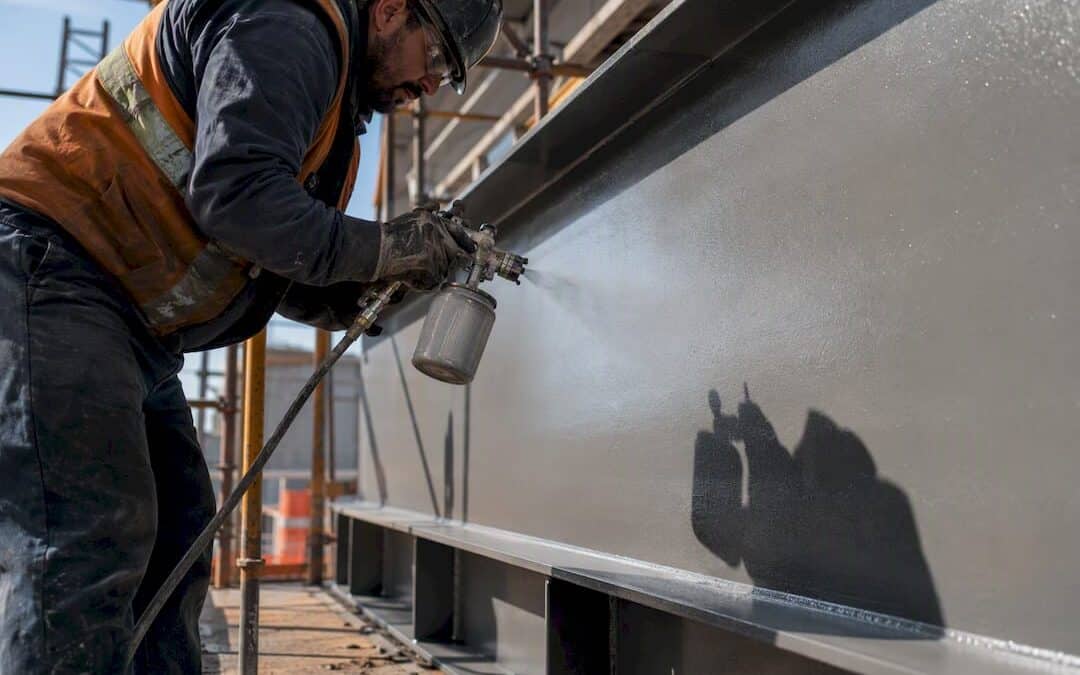
ISO 12944 categories are the classification system that tells you how corrosive an environment is and what coating system it demands, sorted into atmospheric classes C1 through C5 (plus CX for extreme offshore exposure) and immersion classes IM1 through IM4. Every...
by Mike Folta | Aug 27, 2026 | Sandblasting & Painting
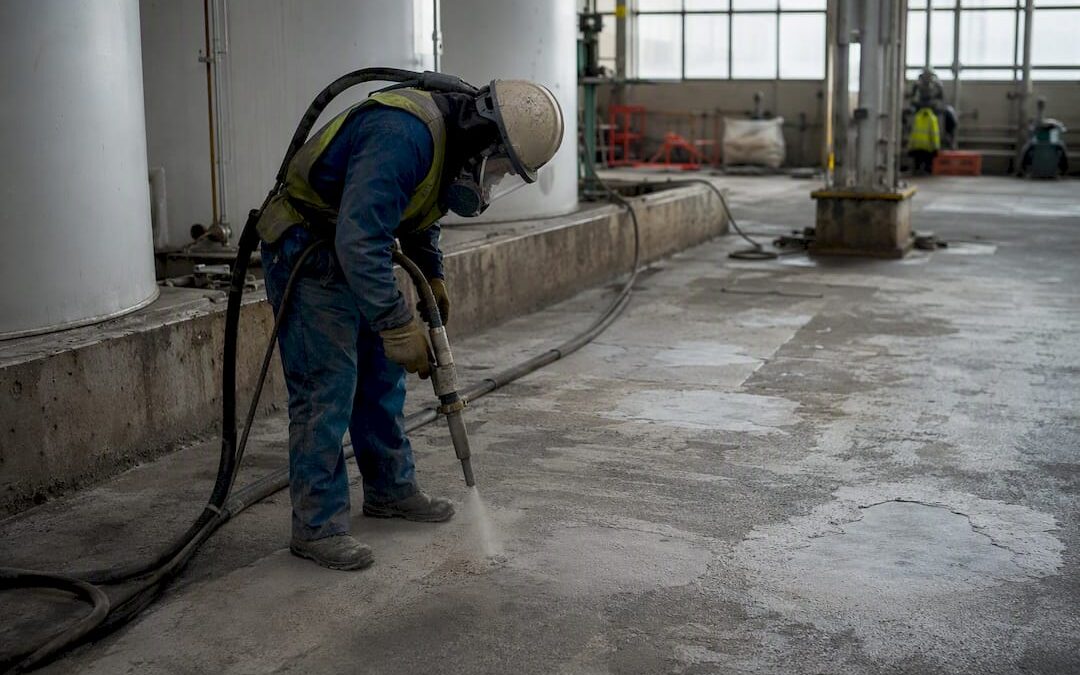
Match the coating chemistry to what the containment actually holds, not to what’s cheapest or fastest to install. Novolac epoxy handles continuous immersion in fuels, oils, and most acids. Vinyl ester takes over when oxidizers or chlorinated solvents enter the...
by Mike Folta | Aug 26, 2026 | Sandblasting & Painting
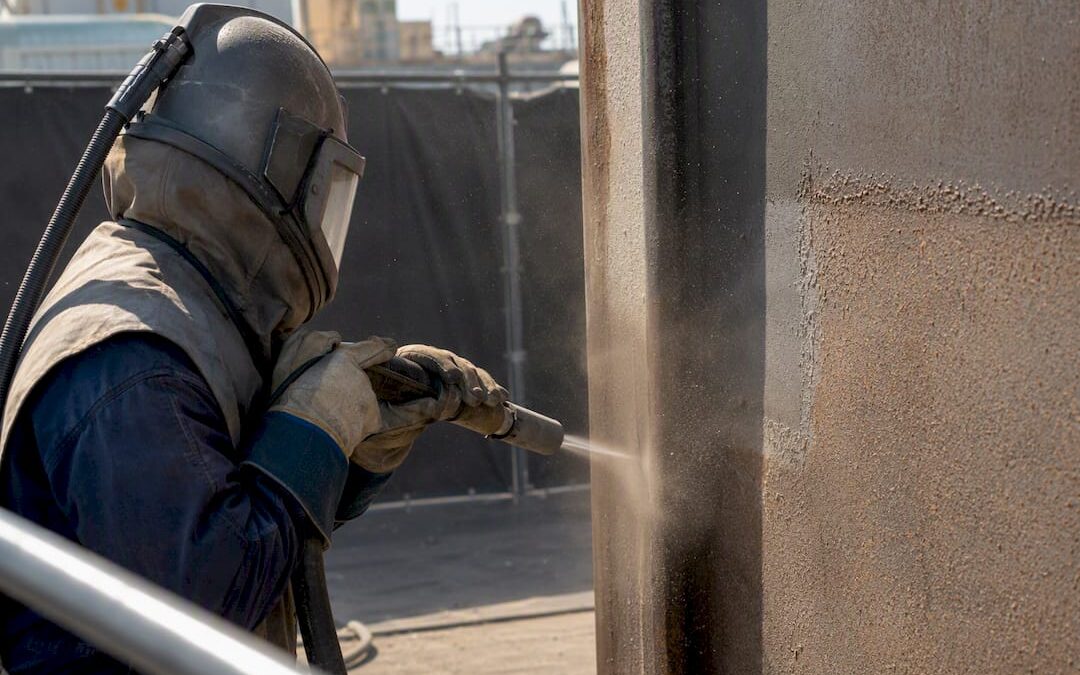
Industrial sandblasting typically runs $2 to $9 per square foot, with full project totals for mid-size assets landing between $2,000 and $18,000 depending on scale, access, and coatings involved. Heavier jobs with hazardous coatings, tight geometry, or strict...

by Mike Folta | Aug 25, 2026 | Sandblasting & Painting
OSHA’s floor marking rule is short and often misread: 29 CFR 1910.176(a) requires that “permanent aisles and passageways” in workplaces using mechanical handling equipment be “appropriately marked.” That’s it. The standard is performance-based. It doesn’t name a...
by Mike Folta | Aug 24, 2026 | Sandblasting & Painting
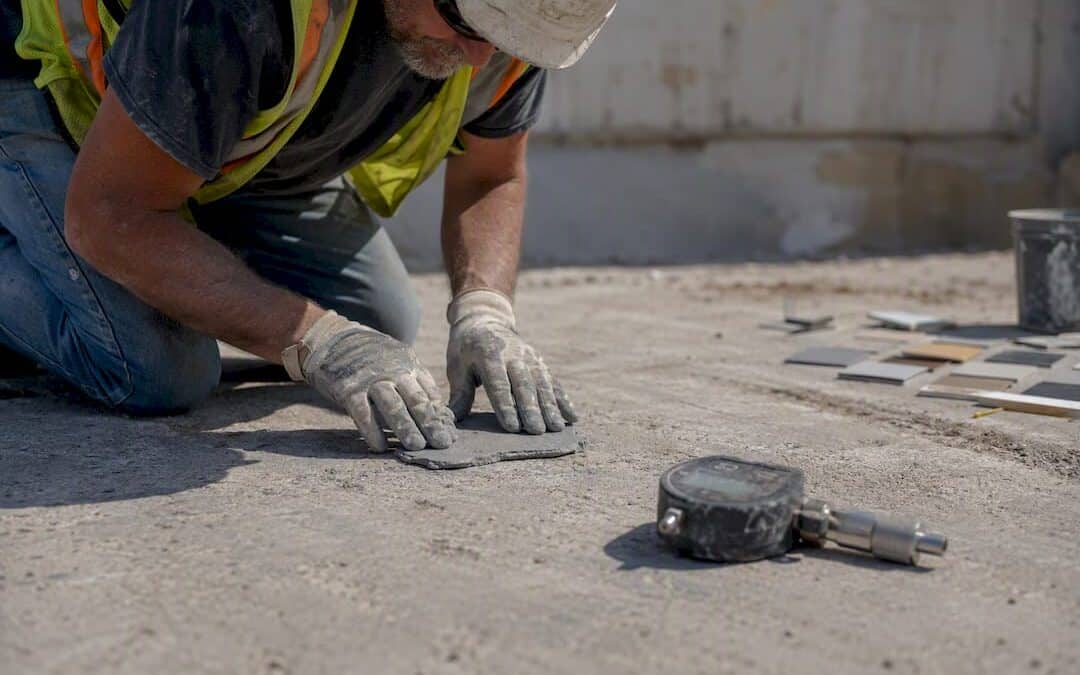
A concrete surface profile (CSP) is the quantified texture of prepared concrete, measured on a scale of 1 to 10, and it determines whether a coating or overlay actually bonds or peels off within a year. Get the CSP wrong and you get delamination, blistering, or a...