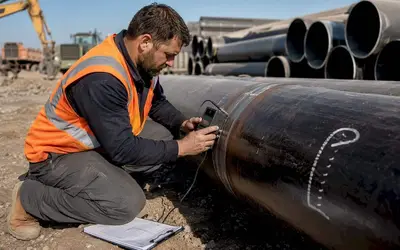
For most industrial steel coating projects, the required surface cleanliness is Sa 2.5 (SSPC-SP 10, Near-White Blast Cleaning), with a typical surface profile depth suitable for most epoxy and zinc-rich systems per ISO 8503-2. That combination covers the vast majority...
Articles
Key Indicators of Successful Asset Coating Performance
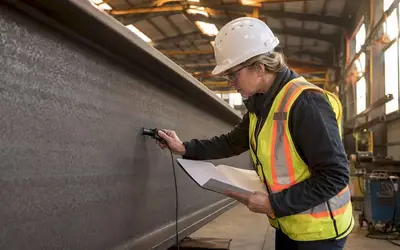
What does a successful asset coating actually look like? The clearest indicators of successful asset coating are measurable, not subjective. A coating is performing when dry film thickness (DFT) falls within specification, adhesion values meet or exceed the project...
Best Facebook.com Alternatives for Facility Managers in 2026
TL;DR: Facility managers should use LinkedIn for B2B networking and platforms like Ziik, Haiilo, and RedeApp for internal workforce communication. The best approaches focus on verified connections, compliance, mobile usability, and integrating with existing tools....
Industrial Painting Trends 2026: What Facility Managers Need to Know
The industrial painting trends shaping 2026 are not incremental. They are compliance-driven, technology-accelerated, and directly tied to how long your assets last and whether your facility passes inspection. Here is what you need to know before your next coating...
Agency Coating Specifications: A Professional’s Guide
What agency coating specifications actually do A coating specification is a legally binding document that tells a contractor exactly what to do, when to do it, and where. It is not a suggestion or a general reference. When a project goes sideways and legal action...
Common Industrial Paint Failures: A Guide for Facility Managers
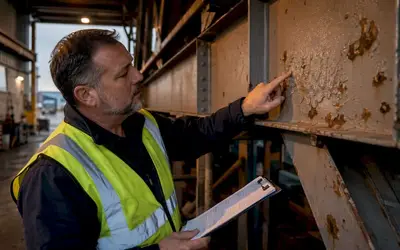
What are common industrial paint failures and why do they matter? Industrial coating failures are defects that reduce a protective coating’s ability to shield a substrate from corrosion, moisture, and mechanical damage. They range from cosmetic surface blemishes to...
Protective Coating Mockup: What Engineers Need to Know
TL;DR: A protective coating mockup is a full-scale test applied to an actual substrate to set performance benchmarks before large-scale coating. It reduces risks by verifying substrate compatibility, environmental conditions, and application processes, preventing...
Steps for Pipeline Surface Prep: 2026 Field Guide
TL;DR: Pipeline surface preparation involves cleaning, profiling, and verifying steel surfaces to ensure proper coating adhesion and long-term corrosion protection. Following strict SSPC and NACE standards is essential, and skipping steps can lead to coating failure....
The Role of Coatings in Fire Protection: A Compliance Guide
TL;DR: Fire-resistant coatings protect structural steel by delaying heat transfer and maintaining structural integrity during a fire. Intumescent coatings expand into an insulating char at high temperatures, reducing steel heating and preventing early collapse. Proper...