
Many municipal decision-makers mistakenly assume that applying a protective coating is a straightforward, one-size-fits-all solution for extending infrastructure lifespan. In reality, effective coating systems require careful selection, meticulous surface preparation, and ongoing maintenance tailored to Central Florida’s unique environmental challenges. Without understanding these critical factors, municipalities risk premature coating failure, costly emergency repairs, and shortened asset life. This guide clarifies the essential concepts, best practices, and maintenance strategies you need to protect public infrastructure investments through informed coating decisions.
Table of Contents
- Key takeaways
- Understanding municipal infrastructure coatings and their importance
- Core components and types of municipal infrastructure coatings
- Best practices for surface preparation and coating application
- Maintaining and inspecting coatings for long-term infrastructure protection
- Optimize your municipal coatings with Southern Sandblasting and Painting
- Frequently asked questions
Key Takeaways
| Point | Details |
|---|---|
| Coating selection factors | Choosing the right coating depends on environmental and asset specific factors. |
| Surface preparation matters | Meticulous surface preparation is critical for coating adhesion and long term durability. |
| Maintenance is essential | Regular maintenance and inspections are essential to sustain protection and extend asset life. |
| Professional installers matter | Using trained professional contractors improves coating quality, compliance, and lifecycle performance. |
| Lifecycle cost case | Calculating lifecycle cost shows coatings can dramatically extend service life and reduce emergency repairs compared to replacement. |
Understanding municipal infrastructure coatings and their importance
Municipal infrastructure coatings are specialized protective barriers applied to public assets like water towers, bridges, pipelines, and treatment facilities. These coatings shield metal, concrete, and other substrates from corrosion, chemical exposure, UV degradation, and physical wear. In Central Florida’s humid, subtropical climate, protective coatings protect critical infrastructure from accelerated deterioration caused by moisture, salt air, and temperature fluctuations.
Without adequate coating protection, municipal assets face multiple damage mechanisms. Corrosion eats away at steel structures, weakening load-bearing capacity and creating safety hazards. Weathering degrades concrete surfaces, allowing water infiltration that leads to freeze-thaw damage and rebar corrosion. Chemical exposure from industrial processes or wastewater accelerates material breakdown, shortening service life and forcing premature replacement.
Florida’s coastal proximity and year-round humidity create particularly aggressive conditions for unprotected infrastructure. Salt-laden air accelerates corrosion rates on metal surfaces. High temperatures and intense UV radiation break down organic coating components. Frequent rain and standing water create ideal conditions for biological growth and moisture-related damage. These environmental factors make protective coating systems essential rather than optional for Central Florida municipalities.
The core benefits of professional coating systems extend far beyond simple rust prevention:
- Extended asset lifespan, often doubling or tripling service life compared to uncoated infrastructure
- Reduced maintenance costs through prevention of expensive emergency repairs and premature replacement
- Enhanced safety by maintaining structural integrity and preventing catastrophic failures
- Improved aesthetics that reflect positively on municipal management and community pride
- Sustainable asset management that maximizes taxpayer investment and reduces environmental impact from frequent replacements
Pro Tip: Calculate the total lifecycle cost of coating versus replacement before making budget decisions. A $50,000 coating project that extends a water tower’s life by 15 years costs far less than a $500,000 replacement in just 10 years.
Core components and types of municipal infrastructure coatings
Municipal infrastructure relies on several coating chemistries, each engineered for specific protection requirements. Epoxy coatings offer excellent adhesion, chemical resistance, and durability, making them ideal for water and wastewater facilities. Polyurethane topcoats provide superior UV resistance and color retention for exposed structures. Zinc-rich primers deliver galvanic protection to steel, sacrificing themselves to prevent base metal corrosion. Acrylic coatings offer fast drying times and good weather resistance for quick turnaround projects.
Coating chemistry directly determines protection capabilities and longevity. Two-component epoxies create dense, impermeable barriers that block moisture and chemicals from reaching substrates. Polyurethane formulations incorporate UV stabilizers that prevent chalking and gloss loss under Florida’s intense sunlight. Different coatings offer varying protection depending on environmental exposure and substrate type, requiring careful matching to application requirements.
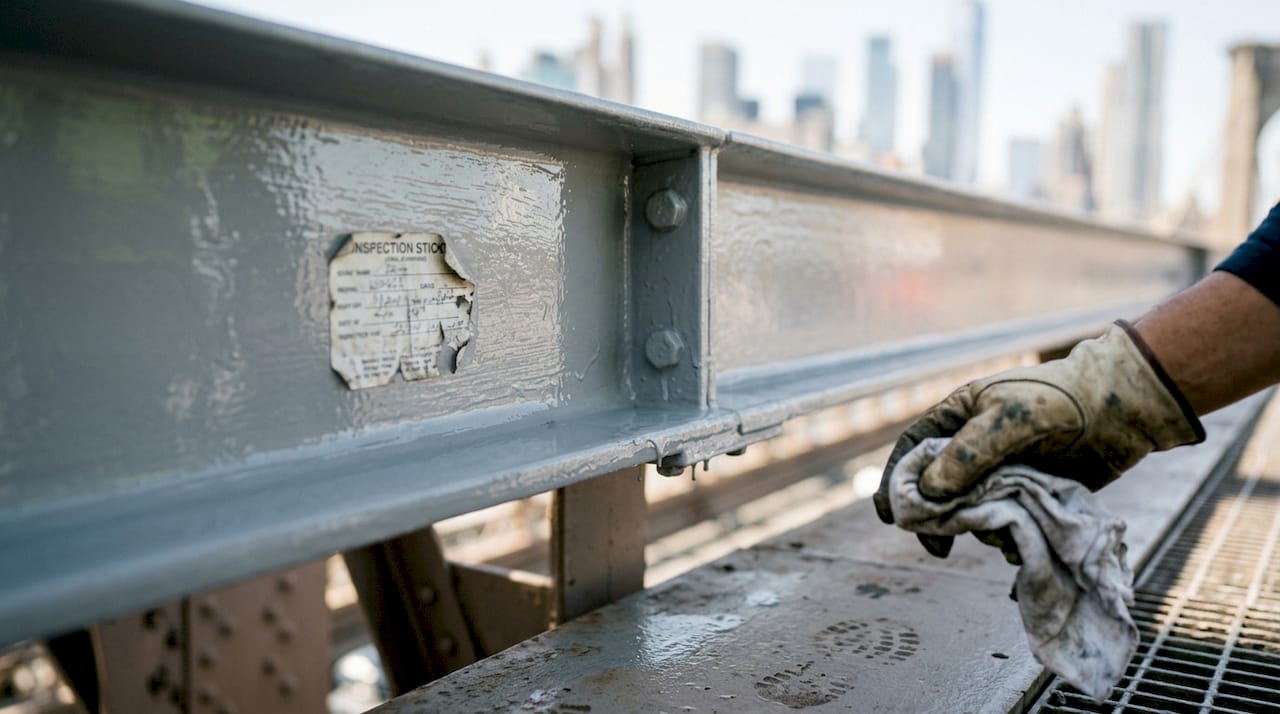
| Coating Type | Key Features | Primary Benefits | Expected Lifespan | Cost Considerations |
|---|---|---|---|---|
| Epoxy | Excellent adhesion, chemical resistance | Superior protection for immersed or chemical exposure | 15-25 years | Moderate to high material cost, requires skilled application |
| Polyurethane | UV stability, color retention, flexibility | Ideal topcoat for weather-exposed surfaces | 10-20 years | Higher material cost, excellent long-term value |
| Zinc-Rich Primer | Galvanic protection, excellent base coat | Prevents corrosion at coating damage points | 20-30 years (with topcoat) | High material cost, essential for steel protection |
| Acrylic | Fast dry, easy application, good weather resistance | Quick project turnaround, lower labor costs | 5-10 years | Lower material cost, shorter lifespan |
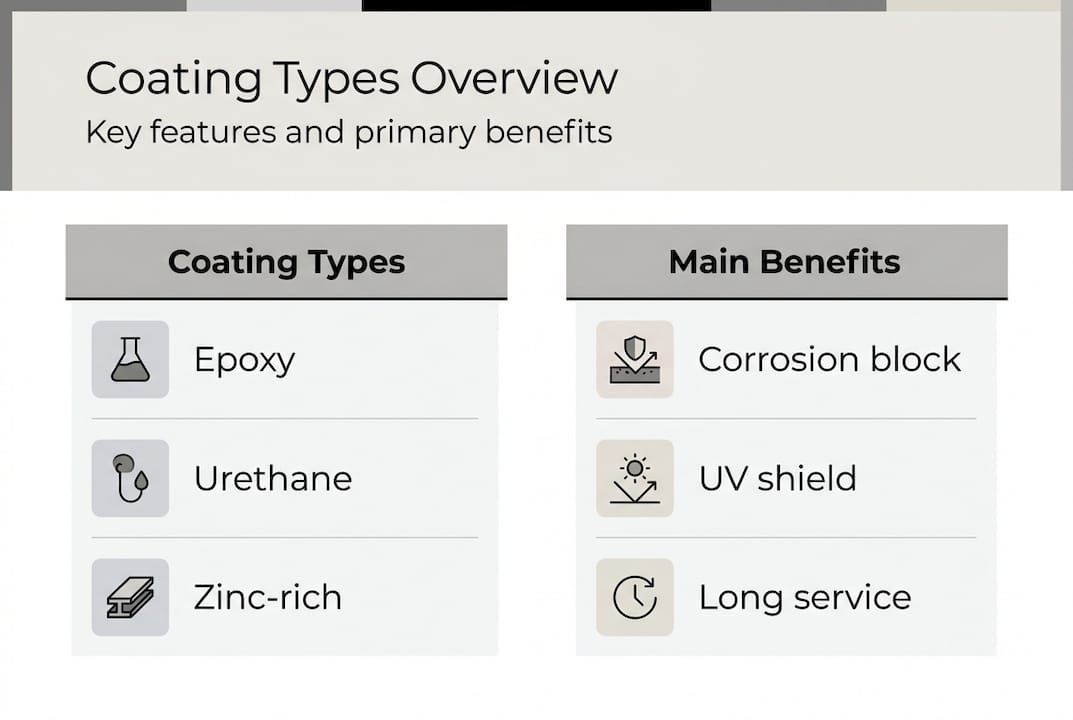
Selecting the right coating system requires analyzing multiple factors beyond simple cost comparison. Asset material composition affects coating compatibility and adhesion mechanisms. Environmental exposure levels determine required barrier properties and UV resistance. Maintenance access and frequency influence whether short-lived, easily reapplied coatings or long-lasting systems make better economic sense. Regulatory requirements may mandate specific coating types for potable water contact or environmental protection.
Consider these critical factors when comparing industrial coating solutions for municipal infrastructure:
- Substrate material and condition (steel, concrete, galvanized metal, previously coated surfaces)
- Exposure environment (immersed, buried, atmospheric, coastal, industrial)
- Service temperature ranges and thermal cycling frequency
- Chemical exposure types and concentrations
- Required service life and maintenance intervals
- Budget constraints and total lifecycle cost analysis
- Application timing and weather window availability
- Compliance requirements and industry standards
Best practices for surface preparation and coating application
Proper surface preparation determines coating success more than any other factor. Surface prep is essential for coating adhesion and prevents premature failure, yet many municipalities underinvest in this critical phase. Follow these essential preparation steps for optimal results:
- Conduct thorough surface assessment to identify existing coating condition, contamination, and substrate damage requiring repair
- Remove all loose paint, rust, mill scale, oil, grease, and soluble salts through appropriate cleaning methods
- Perform abrasive blasting to specified cleanliness standards (typically SSPC-SP10 near-white metal or SSPC-SP6 commercial blast for steel)
- Repair substrate defects including cracks, holes, and corrosion pitting before coating application
- Profile the surface to manufacturer-specified anchor pattern depth for mechanical coating adhesion
- Remove all blast residue and dust immediately before coating to prevent contamination
- Verify environmental conditions meet coating manufacturer requirements before application begins
- Apply coating systems according to specified dry film thickness using calibrated equipment
Environmental controls during application directly impact coating performance and longevity. Temperature and humidity affect cure rates, film formation, and final properties. Applying coatings outside manufacturer-specified windows causes defects like blushing, poor adhesion, and incomplete cure. Florida’s climate requires careful timing to avoid morning dew, afternoon thunderstorms, and extreme heat that compromise coating quality.
Choosing qualified contractors and inspectors protects municipal investments and ensures compliance. Look for contractors with documented experience on similar infrastructure projects, proper equipment and safety programs, and relevant industry certifications. Third-party coating inspectors verify surface preparation standards, measure film thickness, and identify application defects before they become expensive failures. Their reports provide documentation for warranty claims and asset management records.
Pro Tip: Most municipal managers overlook the critical 4-hour window between blasting and coating application. Surface oxidation begins immediately after blasting, reducing coating adhesion. Require contractors to coat blasted surfaces within this timeframe, or mandate re-blasting before application. This single specification prevents the most common cause of premature coating failure.
Flawless preparation maximizes return on coating investments by ensuring specified service life is achieved. Cutting corners on surface prep to save a few thousand dollars often results in coating failure within 3-5 years instead of the expected 15-20 year lifespan. The cost of premature recoating, including asset downtime and emergency repairs, far exceeds initial prep savings. Municipal infrastructure coating processes that prioritize thorough preparation deliver predictable, long-term protection.
Maintaining and inspecting coatings for long-term infrastructure protection
Periodic inspection forms the foundation of effective coating maintenance programs. Regular inspections and maintenance significantly prolong protective coating effectiveness by identifying minor issues before they escalate into major failures. Inspection intervals depend on asset criticality, environmental exposure, and coating system type, but most municipal infrastructure benefits from formal inspections every 1-3 years.
Common maintenance activities preserve coating integrity and extend service life. Routine cleaning removes dirt, biological growth, and chemical deposits that accelerate coating degradation. Spot repairs address small areas of damage before corrosion spreads to surrounding areas. Targeted recoating of high-wear zones maintains overall system protection without full asset recoating. These proactive measures cost a fraction of emergency repairs or premature replacement.
| Coating System | Average Lifespan Without Maintenance | Average Lifespan With Regular Maintenance | Maintenance Cost as % of Initial Investment |
|---|---|---|---|
| Epoxy on Steel | 8-12 years | 18-25 years | 15-20% over lifecycle |
| Polyurethane Topcoat | 6-10 years | 12-20 years | 10-15% over lifecycle |
| Zinc-Rich Primer System | 12-18 years | 25-35 years | 12-18% over lifecycle |
| Acrylic on Concrete | 3-5 years | 7-10 years | 20-25% over lifecycle |
Watch for these early warning signs of coating failure during inspections and routine asset checks:
- Chalking or fading indicating UV degradation and loss of protective properties
- Blistering or bubbling showing moisture infiltration beneath the coating film
- Cracking or checking that exposes substrate to environmental attack
- Rust staining or visible corrosion at coating edges or damage points
- Coating delamination or peeling indicating adhesion loss
- Color changes or discoloration suggesting chemical attack or contamination
- Surface contamination buildup that accelerates coating breakdown
Certified coating inspectors provide technical expertise that internal maintenance staff typically lack. They measure remaining film thickness to predict remaining service life. They identify the root causes of coating defects rather than just symptoms. Their detailed reports inform maintenance budgets and scheduling, preventing surprise failures that disrupt operations. Maintaining coatings for long-term protection requires this level of professional assessment to make data-driven decisions.
Inspection reports should drive maintenance schedules and budget planning. Assets showing early degradation signs require more frequent monitoring and proactive repairs. Coatings approaching end of service life need recoating scheduled before failure occurs. This predictive approach prevents emergency situations, allows for competitive bidding, and ensures coating work happens during optimal weather windows rather than during crisis response.
Optimize your municipal coatings with Southern Sandblasting and Painting
Protecting Central Florida’s municipal infrastructure demands expertise in both surface preparation and coating application. Southern Sandblasting and Painting brings over 20 years of specialized experience to municipal projects across the Orlando region, from water treatment facilities to bridge structures. Our comprehensive sandblasting services remove all contaminants and create ideal surface profiles for maximum coating adhesion.
We understand the unique challenges Florida’s climate presents for infrastructure protection. Our team matches the right coating chemistry to your specific asset requirements, environmental exposure, and budget constraints. From initial assessment through final inspection, we ensure every project meets industry standards for surface preparation and application quality. Schedule a consultation to discover how our professional sandblasting and painting services can extend your infrastructure lifespan and reduce long-term maintenance costs. Our detailed project documentation and warranty support give you confidence in lasting protection. Explore our guide to industrial coating types to understand which solutions best fit your municipal needs.
Frequently asked questions
What is the best type of coating for Florida’s municipal infrastructure?
The optimal coating depends on your specific asset type and exposure conditions. Water towers and immersed structures typically require epoxy systems for chemical resistance, while exposed steel benefits from zinc-rich primers with polyurethane topcoats for UV protection. A professional assessment evaluates substrate material, environmental factors like coastal salt exposure, and service requirements to recommend the most cost-effective solution. Florida’s humidity and temperature extremes demand coatings specifically formulated for subtropical climates to achieve expected service life.
How often should municipal infrastructure coatings be inspected and maintained?
Inspection frequency should range from annual reviews for critical assets in harsh environments to every 3 years for protected structures with quality coating systems. Coastal infrastructure exposed to salt air requires more frequent monitoring than inland facilities. Schedule formal inspections by certified coating inspectors at these intervals, with routine visual checks during regular maintenance visits. Prompt repairs of identified issues can extend coating life by 50% or more compared to deferred maintenance approaches.
What surface preparation is required before coating municipal infrastructure?
Proper preparation includes removing all rust, old paint, mill scale, and contaminants through abrasive blasting to industry standards like SSPC-SP10 near-white metal for new coatings. The surface must be cleaned, profiled to create mechanical anchor points, and coated within hours to prevent flash rusting. Skipping or shortening preparation steps is the primary cause of premature coating failure. Professional contractors use calibrated equipment and follow environmental controls to ensure preparation meets coating manufacturer specifications for warranty compliance and maximum adhesion.
Can municipal managers perform coating maintenance themselves?
Routine cleaning and very minor touch-ups using manufacturer-approved repair kits can be handled by trained maintenance staff for small areas. However, major repairs, recoating projects, and formal inspections should involve professional coating contractors and certified inspectors. These experts ensure work meets industry standards, maintains warranty coverage, and complies with safety regulations. Attempting complex coating work without proper training, equipment, and quality control often results in poor adhesion, safety violations, and shortened coating life that costs more than professional service.


