
TL;DR:
- Painting piping provides crucial protection against corrosion, chemicals, and environmental factors.
- Proper coating selection and surface prep extend pipe lifespan and ensure regulatory compliance.
- Proactive, scheduled painting reduces long-term repairs, downtime, and facility costs.
Painting a piping system is not a cosmetic decision. Facility managers and contractors who treat it as one end up paying far more in repairs, regulatory fines, and unplanned downtime than the cost of a proper coating job. Painted piping systems extend asset life and reduce long-term maintenance costs, making painting one of the highest-return investments you can make in your facility infrastructure. This guide breaks down the real reasons behind painting piping systems, how to choose the right coatings, what compliance requires, and how to avoid the most common mistakes that lead to premature failure.
Table of Contents
- The purpose behind painting piping systems
- How painting prevents corrosion and damage
- Paint and regulatory compliance for piping systems
- Choosing the right coating for facility piping
- Expert perspective: What most facility managers miss about piping paint
- Connect with proven painting and coating experts
- Frequently asked questions
Key Takeaways
| Point | Details |
|---|---|
| Painting is essential | Painted piping systems protect against corrosion, extend asset life, and fulfill regulatory requirements. |
| Compliance matters | Proper painting ensures regulatory compliance and helps avoid costly fines and downtime. |
| Choose coatings wisely | Selecting the right coating maximizes durability and performance in challenging environments. |
| Upfront investment pays off | Investing in quality painting and coating saves time, money, and headaches for facility managers and contractors. |
The purpose behind painting piping systems
Most people think paint is there to make pipes look clean. In an industrial facility, paint is working around the clock as a physical barrier between your piping and everything that wants to destroy it. Moisture, oxygen, chemicals, UV exposure, and temperature swings all attack bare metal continuously. Without a protective layer, that attack never stops.
Pipeline protective coatings serve four core functions that go well beyond appearance:
- Corrosion resistance: Paint seals metal surfaces from moisture and oxygen, the two main triggers for rust and oxidation.
- Chemical protection: In facilities handling solvents, acids, or industrial fluids, coatings prevent chemical absorption into pipe walls.
- Identification and safety: Color-coded piping tells workers what is flowing through each line, reducing the risk of dangerous mistakes.
- Regulatory compliance: Many industries require painted and labeled piping as part of their safety and environmental standards.
The safety angle is often underestimated. A leak in an unpainted, corroded pipe is harder to detect early because surface rust and discoloration mask the warning signs. Painted pipes show stress cracks, blistering, and discoloration much more visibly, giving your team a chance to act before a small issue becomes a major failure.
“Painting is not maintenance. It is prevention. The facilities that treat it as prevention spend far less than those that treat it as a repair response.”
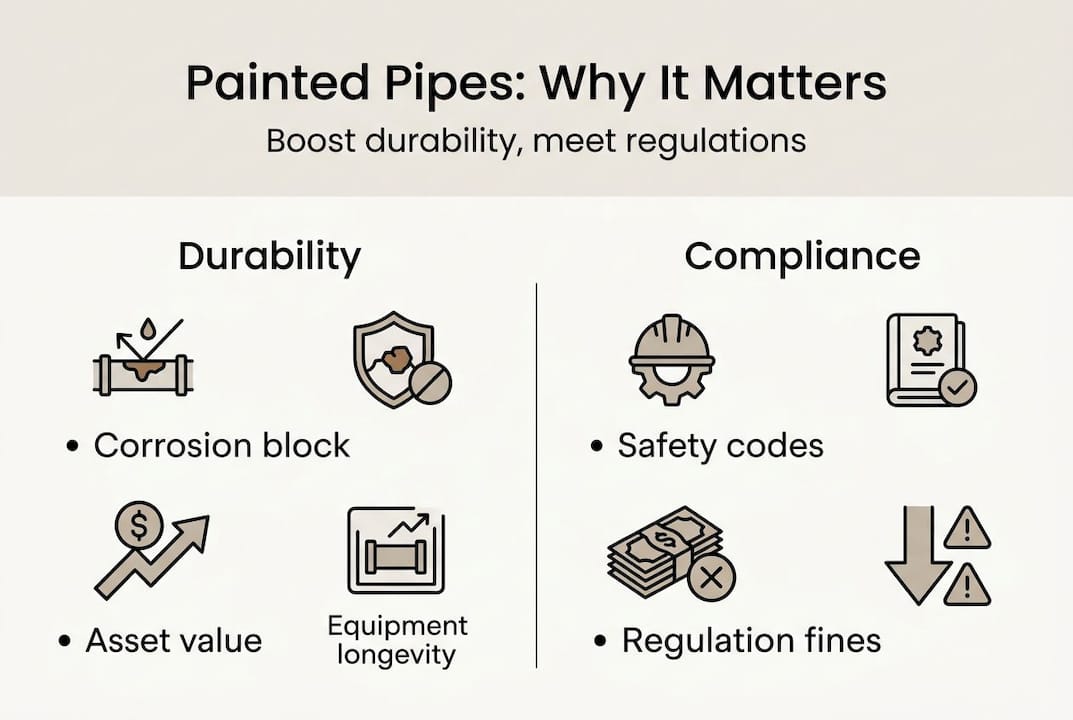
Painting for facility durability also directly affects your asset value. Pipes that are properly coated and maintained hold their structural integrity longer, reducing the frequency of full replacements. When you factor in the cost of labor, downtime, and parts for a pipe replacement versus a routine recoat, the math strongly favors proactive painting. Lasting protection paint systems applied correctly can keep piping in service for decades longer than untreated alternatives.
For Central Florida facilities, the environment adds extra pressure. High humidity, salt air in coastal zones, and intense heat cycles accelerate corrosion faster than in drier climates. That makes painting not just useful here but genuinely critical.
How painting prevents corrosion and damage
Corrosion is the single biggest threat to piping systems in industrial and municipal facilities. It is not dramatic or sudden. It builds quietly over months and years until a pipe wall thins out, a joint fails, or a leak contaminates a product line. By then, the repair cost dwarfs what a proper coating would have cost.
Proper painting dramatically reduces corrosion risks in critical infrastructure by cutting off the electrochemical reactions that cause rust. Paint works as a physical barrier, but high-performance industrial coatings also include inhibitors that actively interrupt corrosion chemistry at the metal surface.
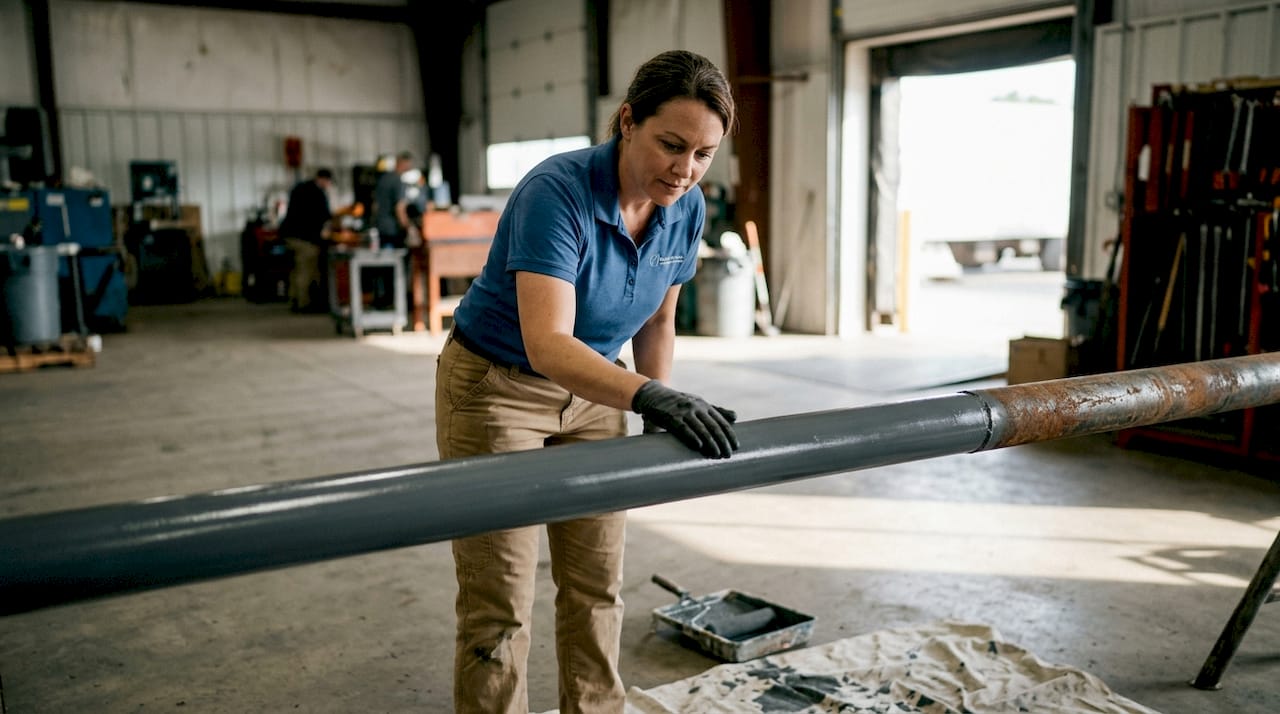
Here is a direct comparison of what happens over time:
| Condition | 5-year outcome | 10-year outcome |
|---|---|---|
| Unpainted carbon steel pipe | Surface rust, pitting begins | Structural thinning, leak risk high |
| Single-coat standard paint | Moderate protection, recoat needed | Corrosion possible at chip points |
| Industrial multi-coat system | Minimal surface degradation | Pipe remains structurally sound |
The difference between a single coat and a proper multi-coat industrial system is significant. Facilities that cut corners on coating thickness or skip primer layers often see failures at the 3 to 5 year mark, which is far earlier than expected.
Common corrosion triggers that painting addresses directly include:
- Condensation buildup on cold water lines
- Chemical splash and vapor exposure in process areas
- Soil contact for buried or partially buried piping
- Galvanic corrosion at dissimilar metal joints
The painting process for asset longevity always starts with surface preparation. No coating performs well on a dirty, rusty, or contaminated surface. Sandblasting to the correct surface profile is what makes the coating bond properly and last.
Pro Tip: When specifying coatings for water, gas, or chemical pipes, always confirm the coating’s chemical resistance rating against the specific substances flowing through or near the pipe. A coating rated for water service may fail quickly in a chemical processing environment.
The industrial-grade paint options available today are engineered for specific service conditions. Matching the coating to the environment is what separates a 15-year solution from a 3-year headache.
Paint and regulatory compliance for piping systems
Compliance is not optional. For facility managers in Central Florida, painted piping systems are often a direct requirement under OSHA, EPA, and Florida building codes. Failing an inspection because your pipes are not properly identified or protected can result in citations, operational shutdowns, and significant fines.
Compliant painting reduces environmental hazards and improves worker safety, which is why regulators take it seriously. Here is a quick breakdown of the key standards that apply:
| Regulatory body | Key requirement | Consequence of noncompliance |
|---|---|---|
| OSHA (29 CFR 1910.261) | Color coding for hazardous material lines | Citations, fines up to $15,625 per violation |
| EPA (40 CFR Part 68) | Corrosion control for chemical process piping | Penalties up to $70,117 per day |
| Florida Building Code | Surface protection for structural and utility piping | Failed inspections, project delays |
The compliance process for piping systems generally follows these steps:
- Identify all pipe contents and service classifications across your facility.
- Map required color codes to each line using ANSI/ASME A13.1 standards.
- Select coatings that meet both chemical resistance and color retention requirements.
- Document surface preparation methods, coating products, and application records.
- Schedule inspections and recoating intervals to maintain continuous compliance.
The fines for noncompliance are not the only cost. Regulatory violations create liability exposure, complicate insurance claims, and can trigger broader audits of your facility. Industrial coatings for Florida facilities need to account for both state and federal standards, which sometimes have overlapping but distinct requirements.
The smart approach is to treat compliance documentation as part of your painting project from day one. Contractors who understand regulatory requirements will include material data sheets, surface prep records, and inspection sign-offs as standard deliverables. If a contractor does not offer this, that is a red flag. Protecting asset life extension and staying compliant go hand in hand when the project is managed correctly.
Choosing the right coating for facility piping
Not all coatings are the same, and the wrong choice can be just as damaging as no coating at all. Selecting the correct industrial coating maximizes asset longevity and performance, but it requires matching the product to the specific service environment of each pipe.
Here are the most reliable coating types for common facility piping applications:
- Epoxy coatings: Excellent adhesion and chemical resistance. Best for water treatment, chemical process, and wastewater piping.
- Polyurethane topcoats: Superior UV and abrasion resistance. Ideal as a finish coat on exterior or exposed piping.
- Zinc-rich primers: Provide galvanic protection for carbon steel. Essential first layer in highly corrosive environments.
- Coal tar epoxy: High resistance to water immersion and soil contact. Used for buried or submerged piping.
- High-temperature coatings: Formulated for steam and heat transfer lines where standard coatings would fail.
For Central Florida’s humid climate, epoxy and polyurethane systems consistently outperform single-component paints. The combination of a zinc-rich primer, epoxy intermediate coat, and polyurethane topcoat is a proven three-coat system for outdoor and high-moisture environments.
Common mistakes in coating specification include choosing a product based on price alone, skipping the primer layer to save time, and applying coatings in conditions that are too humid for proper cure. Each of these shortcuts leads to early adhesion failure and peeling.
Pro Tip: When reviewing contractor bids, ask for documented performance metrics on the specific coating system proposed. Request dry film thickness (DFT) specifications, expected service life, and any third-party testing data. A contractor who cannot provide these details is likely cutting corners on product selection.
Understanding asset longevity through painting means looking at total cost of ownership, not just the upfront price. The industrial painting advantages of a well-specified coating system show up clearly in reduced repair frequency and extended service intervals.
Expert perspective: What most facility managers miss about piping paint
After working on industrial painting projects across Central Florida for over 20 years, the pattern we see most often is not a lack of budget. It is a lack of timing. Managers delay painting projects until a pipe is already showing visible corrosion or a compliance inspection is weeks away. At that point, the surface prep alone costs more, the coating options narrow, and the schedule pressure leads to rushed application.
The uncomfortable truth is that rushed painting jobs fail faster than no painting at all. A coating applied over inadequate surface prep will blister and peel within a year, leaving the pipe worse off and the facility back at square one.
Long-term investment in painting can save thousands in repairs and compliance penalties when the work is planned proactively. The facilities that budget for painting as a scheduled maintenance item, not an emergency response, consistently get better performance and lower total costs. Staying current on trends in industrial painting also helps managers make smarter specification decisions before problems arise.
Connect with proven painting and coating experts
Knowing what needs to be done is only half the equation. Finding a contractor with the right equipment, experience, and compliance knowledge to execute it correctly is what actually protects your facility.

Southern Sandblasting & Painting LLC has spent over 20 years delivering industrial painting and coating solutions for piping systems across Central Florida. From water treatment plants to municipal infrastructure, we bring the surface prep expertise and coating knowledge your project demands. Explore our full range of painting and sandblasting services, learn more about industrial painting in Orlando, or review our coating solutions for Florida infrastructure to find the right fit for your next project.
Frequently asked questions
Is painting required for all piping systems in industrial facilities?
Regulatory requirements for painted pipes vary by industry and jurisdiction, but most industrial facilities must meet color-coding and corrosion protection standards under OSHA or local building codes. Always verify requirements specific to your facility type and location.
What happens if pipes are left unpainted?
Unpainted pipes face accelerating corrosion and maintenance issues that lead to structural failures, regulatory violations, and significantly higher repair and replacement costs over time.
What kind of paint or coating is best for piping in humid environments?
Epoxy and polyurethane-based systems are the top choice, and recommended coatings for humidity resilience typically combine a zinc-rich primer with an epoxy body coat and a polyurethane finish for maximum protection.
How often should facility pipes be repainted?
Typical repainting intervals for industrial pipes range from 5 to 10 years depending on coating quality, application conditions, and the severity of the operating environment.
Can painting pipes help reduce downtime and repairs?
Yes. Properly applied coatings reduce downtime and repairs by preventing the corrosion and deterioration that cause unplanned failures and emergency maintenance calls.
Recommended
- Why paint infrastructure: extend asset life and cut costs
- 7 Key Advantages of Industrial Painting for Water Plants
- Painting safety tips 2026: best practices for compliance
- Painting in facility management: Durability and compliance
- Why hire professional plumbers? Safety, compliance, and value
- Industrial Painting Services in Orlando, FL
- Sandblasting Services in Orlando, FL


