
Industrial painting projects expose workers to serious hazards including toxic fumes, fall risks, and confined space dangers that demand rigorous safety protocols. OSHA and EPA regulations have evolved significantly, with updated 2026 standards requiring enhanced respiratory protection, stricter hazard communication, and more comprehensive confined space procedures. Safety officers and facility managers must navigate these complex requirements while maintaining project efficiency and worker protection. This guide delivers a practical framework with criteria-based evaluations, equipment comparisons, and actionable recommendations to help you implement effective painting safety measures that meet current compliance standards and protect your workforce.
Table of Contents
- How To Evaluate Painting Safety Criteria For Industrial Projects
- Key Protective Equipment And Engineering Controls For Painting Safety
- Managing Confined Space And Fire Risks During Painting Operations
- Comparing Manual And Robotic Painting Methods: Safety And Efficiency
- Training And Compliance Checks For Lasting Painting Safety Success
- Partner With Southern Sandblasting & Painting For Compliant And Safe Industrial Painting
- Frequently Asked Questions
Key takeaways
| Point | Details |
|---|---|
| OSHA standards guide mandatory safety practices | Respiratory, fall, and hazard communication protection requirements are strictly enforced under 2026 regulations. |
| Engineering controls and PPE combined reduce exposure | Layered protection through ventilation systems and personal protective equipment effectively minimizes chemical hazards. |
| Confined space safety requires strict protocols | Atmosphere monitoring, buddy systems, and forced ventilation are essential for safe confined space painting operations. |
| Robotic painting reduces worker exposure | Automated systems cut chemical contact and repetitive strain while improving coating uniformity and reducing overspray. |
| Training and compliance checks sustain safety | Regular OSHA training, hazard communication updates, and contractor verification maintain long-term safety performance. |
How to evaluate painting safety criteria for industrial projects
Establishing clear safety criteria starts with applying the hierarchy of controls, a proven framework that prioritizes the most effective protective measures. Engineering solutions like local exhaust ventilation and robotic spraying systems should be your first line of defense, as they eliminate hazards at the source rather than relying solely on worker behavior. These control measures including engineering, administrative, PPE, and safe work practices form essential protective layers for industrial painting operations.
Administrative controls complement engineering solutions by managing how work is performed. Implement worker rotation schedules to limit individual exposure duration, establish comprehensive hazard communication programs that meet GHS standards, and create detailed standard operating procedures for each painting task. These measures reduce risk through organizational policies rather than physical barriers.
Personal protective equipment serves as the final defense layer when engineering and administrative controls cannot fully eliminate hazards. Select respirators, gloves, and coveralls that meet or exceed OSHA 2026 chemical protection standards for the specific coatings and solvents your projects use. Safe work practices like wet sanding to control dust and proper material handling procedures further minimize exposure risks.
Pro Tip: Develop a customized compliance checklist that addresses your facility’s unique hazards and conduct quarterly safety audits using this tool to identify gaps before they become incidents. Regular audits combined with industrial painting safety protocols ensure continuous improvement in your safety program.
Key protective equipment and engineering controls for painting safety
Respiratory protection represents the most critical PPE component for painting operations, as airborne contaminants pose immediate and long-term health risks. NIOSH-approved respirators, chemical-resistant gloves, coveralls, and eye protection must meet updated 2026 PPE fit and selection requirements. For high VOC exposure scenarios, supplied-air respirators provide superior protection compared to air-purifying models, while N95 respirators suffice for lower-risk tasks like water-based coating application.
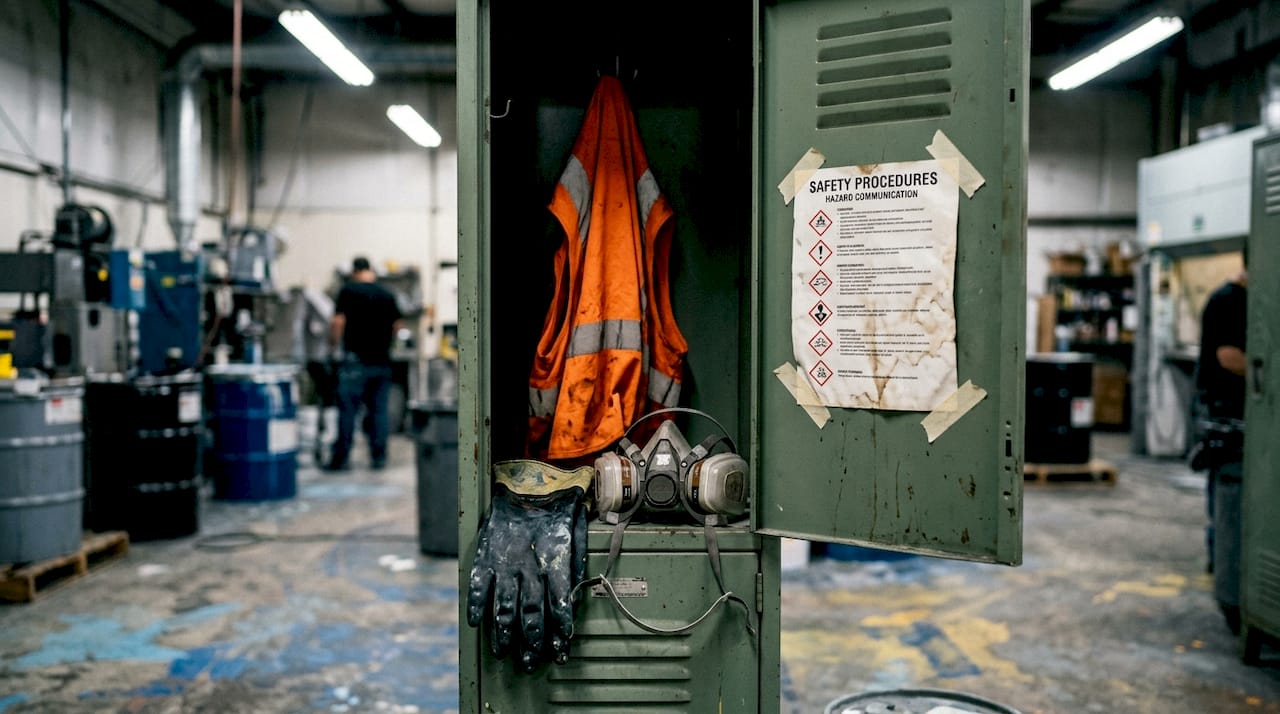
Chemical-resistant gloves prevent dermal absorption of solvents and coating compounds that can cause acute burns or chronic health effects. Nitrile gloves work well for most industrial coatings, but butyl rubber or PVC gloves may be necessary for aggressive solvents. Pair gloves with full-body coveralls made from Tyvek or similar materials to protect skin from overspray and splashes. Safety goggles or face shields guard against eye injuries from splashes and airborne particles.
Engineering controls provide superior protection by reducing hazard levels before workers encounter them. Ventilation systems and robotic sprayers limit airborne contaminants and overspray effectively, creating safer breathing zones throughout the work area. Local exhaust ventilation captures fumes at their source, while general dilution ventilation maintains acceptable air quality in larger spaces. Position ventilation intakes away from workers to prevent drawing contaminants through their breathing zones.
Pro Tip: Schedule respirator fit testing annually and after any facial changes like weight gain or dental work, and maintain detailed records of fit test results and PPE inspections to demonstrate compliance during OSHA audits. These practices align with best practices for industrial painting that emphasize proactive safety management.
Managing confined space and fire risks during painting operations
Confined space painting presents unique hazards that require strict adherence to OSHA 1910.146 standards for buddy systems, air testing, and forced ventilation. Before any worker enters a tank, vessel, or enclosed structure, you must test the atmosphere for oxygen levels (19.5-23.5%), lower explosive limit (below 10% LEL), and toxic gases including VOCs and carbon monoxide. Continuous monitoring throughout the work period detects dangerous changes in real time.
Buddy systems and supplied-air respirators provide essential safeguards when atmospheric hazards cannot be fully eliminated. Station a trained attendant outside the confined space with constant communication to the interior worker, equipped with rescue equipment and authority to order immediate evacuation. Forced ventilation using blowers or exhaust fans exchanges contaminated air with fresh air, but verify air quality improvements through monitoring before and during work.
Fire and explosion risks escalate dramatically in confined spaces where flammable vapors accumulate rapidly. Class B extinguishers, flammable storage cabinets, and spark control near vapors are mandatory fire prevention measures. Eliminate ignition sources including static electricity, hot work, and non-explosion-proof electrical equipment within and near confined spaces during painting operations.
Follow these steps for safe confined space entry:
- Obtain entry permit and review hazard assessment with all personnel
- Test atmosphere and verify acceptable levels before entry
- Establish continuous forced ventilation and monitoring
- Ensure buddy system with trained attendant and rescue equipment ready
- Use supplied-air respirators and full protective equipment
- Maintain communication protocols throughout the operation
“Solvent-rich environments demand constant vigilance for fire risks. A single spark in a poorly ventilated confined space can trigger catastrophic explosions. Never compromise on atmosphere testing or ventilation requirements.”
These protocols, combined with compliance standards for industrial painting, create multiple safety barriers that protect workers from the severe consequences of confined space incidents.
Comparing manual and robotic painting methods: safety and efficiency
Robotic painting systems deliver substantial safety improvements by removing workers from direct exposure to hazardous chemicals and repetitive motion injuries. Robotic systems reduce overspray by 20-30%, cut labor costs by 75%, and lower insurance expenses while improving coating uniformity across large surfaces. Automated sprayers maintain consistent distance and speed, eliminating the ergonomic strain that causes shoulder, back, and wrist injuries in manual painters.
Manual painting retains advantages for complex geometries, tight spaces, and detail work where robotic arms cannot reach or maneuver effectively. Skilled painters adapt techniques instantly to surface irregularities, making manual methods essential for intricate structural components, pipe fittings, and areas with numerous obstacles. Manual approaches also require lower upfront capital investment, making them practical for smaller facilities or occasional painting projects.
| Criterion | Robotic Painting | Manual Painting |
|---|---|---|
| Worker chemical exposure | Minimal, operators work remotely | High, direct contact with vapors |
| Labor cost per project | 75% lower than manual | Standard hourly rates |
| Flexibility for complex shapes | Limited by arm reach and programming | Excellent, adapts to any geometry |
| Coating uniformity | Superior consistency | Variable, depends on skill |
| Initial investment | High capital cost | Low, standard equipment |
| Overspray waste | 20-30% reduction | Higher material waste |
Cost benefits extend beyond direct labor savings to include reduced insurance premiums from lower injury rates and decreased material waste from precise application. However, robotic systems require specialized programming expertise and regular maintenance that add operational complexity.
Pro Tip: Implement a hybrid approach where robots handle large, accessible surfaces while manual painters complete detail work and complex areas, maximizing the safety and efficiency benefits of both methods. This strategy aligns with emerging industrial painting trends in 2026 that emphasize technology integration without abandoning proven manual techniques.
Training and compliance checks for lasting painting safety success
Comprehensive training forms the foundation of effective painting safety programs, with mandatory OSHA 10/30-hour courses, HazCom/GHS/SDS, lead awareness, and fall protection required for all personnel. Annual refresher sessions keep safety knowledge current as regulations evolve and new products enter the market. Training must cover specific hazards of the coatings and solvents used in your facility, proper PPE selection and use, emergency response procedures, and the rights and responsibilities workers have under OSHA standards.
Hazard communication training deserves special emphasis, as workers must understand Safety Data Sheets, recognize GHS pictograms, and respond appropriately to chemical exposures. Lead awareness training is mandatory when disturbing pre-1978 coatings, covering health effects, exposure routes, and protective measures. Fall protection training applies to any painting work above four feet, addressing proper harness use, anchor point selection, and rescue procedures.
Compliance verification protects your facility from regulatory violations and ensures contractors meet your safety standards. Facility managers should verify contractor OSHA certifications and respirator fit-test plans using detailed checklists before work begins. Review contractor safety records, insurance coverage, and written safety programs to confirm they can execute work safely.
Implement these compliance audit steps:
- Create facility-specific checklists covering all applicable OSHA standards
- Verify contractor certifications and training documentation before project start
- Conduct daily safety inspections during active painting operations
- Review and document all safety incidents and near misses immediately
- Schedule quarterly comprehensive audits of safety equipment and procedures
- Update training programs based on audit findings and incident investigations
Regular site audits during painting operations catch violations before they cause injuries. Check that workers wear appropriate PPE, ventilation systems operate correctly, and confined space protocols are followed precisely. Document all findings and require immediate correction of deficiencies. These practices, integrated with industrial painting safety protocols and best practices for industrial painting, create a culture of continuous safety improvement.
Partner with Southern Sandblasting & Painting for compliant and safe industrial painting
Navigating complex safety requirements while maintaining project schedules demands expertise that comes from years of specialized experience. Southern Sandblasting & Painting brings over 20 years of OSHA-compliant industrial painting services in Orlando and throughout Central Florida, with comprehensive safety protocols that meet 2026 standards.

Our team implements the full hierarchy of controls discussed in this guide, from engineering solutions to rigorous PPE programs, protecting your workers and assets throughout every project phase. We maintain current certifications, conduct regular safety training, and use advanced equipment including sandblasting services in Orlando that prepare surfaces properly before coating application. Our flexible scheduling minimizes facility downtime while our local knowledge of Florida’s industrial sectors ensures we understand your specific compliance challenges. Explore our complete range of sandblasting and painting services and contact us for customized safety and asset protection plans tailored to your facility’s unique requirements.
Frequently asked questions
What are the mandatory OSHA requirements for industrial painting in 2026?
OSHA mandates respiratory protection meeting NIOSH standards, fall protection for work above four feet, comprehensive hazard communication including GHS-compliant labeling and training, and strict confined space entry procedures per 1910.146. Updated 2026 respirator fit testing requirements and chemical protection standards apply to all painting operations involving hazardous substances. Employers must provide appropriate PPE at no cost to workers and ensure proper training on its use. Review industrial painting compliance standards for detailed requirements specific to your facility type.
How does robotic painting improve worker safety compared to manual methods?
Robotic painting removes workers from direct chemical exposure and eliminates repetitive motion injuries that plague manual painters, while reducing overspray by up to 30% and cutting labor costs by 75%. Automated systems maintain consistent application without requiring workers to breathe hazardous vapors or maintain awkward postures for extended periods. However, robots lack flexibility for complex geometries and tight spaces where manual painting remains necessary. Most facilities achieve optimal safety and efficiency through hybrid approaches that deploy robots for large accessible surfaces and skilled painters for detail work.
What training should painting crews receive to ensure compliance in 2026?
All painting personnel must complete OSHA 10-hour or 30-hour general industry training, hazard communication/GHS training covering Safety Data Sheet interpretation, lead awareness training for pre-1978 structures, and fall protection training for elevated work. Respiratory protection training including fit testing and confined space entry training for tank and vessel work are required for workers performing those specific tasks. Annual refresher training keeps knowledge current as regulations and products change. Comprehensive training programs significantly reduce incident rates and improve adherence to safety protocols.
How can facility managers verify contractor compliance with painting safety standards?
Use detailed compliance checklists to verify contractor OSHA certifications, review written respiratory protection programs including fit-test plans, and examine training documentation for all workers before project start. Request safety records including OSHA 300 logs, insurance certificates, and written safety programs to assess contractor capability. Conduct daily site inspections during active work to confirm PPE use, ventilation operation, and adherence to confined space protocols. Require immediate correction of any deficiencies and document all findings. Regular audits combined with clear contractual safety requirements create accountability and maintain high safety standards throughout project execution.


