

Unexpected pipeline failures continue to cost American industries and municipalities billions each year. For leaders managing Central Florida’s critical water, wastewater, and industrial systems, weak coatings put safe operation and long-term asset value at risk. Finding the right pipeline protection means balancing durability, regulatory demands, and challenging local conditions. This guide cuts through confusion with actionable insights, helping you select effective protective coatings that extend service life and keep your operations complaint with safety standards.
Table of Contents
- What Are Protective Coatings for Pipelines?
- Types of Pipeline Coating Materials Explained
- How Protective Coatings Prevent Pipeline Corrosion
- Industry Standards and Regulatory Compliance Essentials
- Risks of Unprotected Pipelines and Common Mistakes
Key Takeaways
| Point | Details |
|---|---|
| Importance of Protective Coatings | Protective coatings are essential for preventing corrosion and maintaining the structural integrity of pipelines in various environments. |
| Types of Coating Materials | Different materials, such as Fusion Bond Epoxy and Polyethylene, offer varying levels of protection based on environmental conditions. |
| Regulatory Compliance | Adhering to industry standards and regulations is crucial for ensuring pipeline safety and operational longevity. |
| Risks of Unprotected Pipelines | Unprotected pipelines face significant risks, including corrosion, environmental exposure, and potential catastrophic failures. |
What Are Protective Coatings for Pipelines?
Protective coatings represent a critical infrastructure defense mechanism designed to shield pipeline systems from environmental degradation and potential structural compromise. These specialized protective layers act as a robust barrier between metal pipeline surfaces and corrosive external environments, preventing premature equipment failure and maintaining critical industrial infrastructure integrity.
At their core, pipeline protective coatings are advanced materials engineered to provide comprehensive surface protection. International standards like ISO 21809-1:2018 specify comprehensive requirements for these coatings, particularly for petroleum and natural gas industry applications. These coatings typically serve multiple protective functions:
- Preventing metallic surface corrosion
- Resisting chemical and environmental damage
- Enhancing pipeline durability
- Extending infrastructure operational lifespan
- Maintaining structural integrity under challenging conditions
Modern protective coatings utilize sophisticated materials like fusion bond epoxy (FBE) powder systems and polyolefin coatings that offer superior protection. Federal regulations from agencies like the Department of Transportation’s PHMSA mandate specific coating standards to ensure pipeline safety and regulatory compliance. These coatings must withstand diverse environmental challenges, including underground burial, above-ground exposure, and underwater deployment.
Pro tip: Always verify coating compatibility with your specific pipeline material and environmental conditions before installation to maximize long-term protection and performance.
Types of Pipeline Coating Materials Explained
Pipeline coatings represent a sophisticated array of protective materials designed to shield critical infrastructure from environmental challenges. These specialized materials are carefully engineered to provide robust defense against corrosion, chemical degradation, and structural compromise across diverse operational environments.
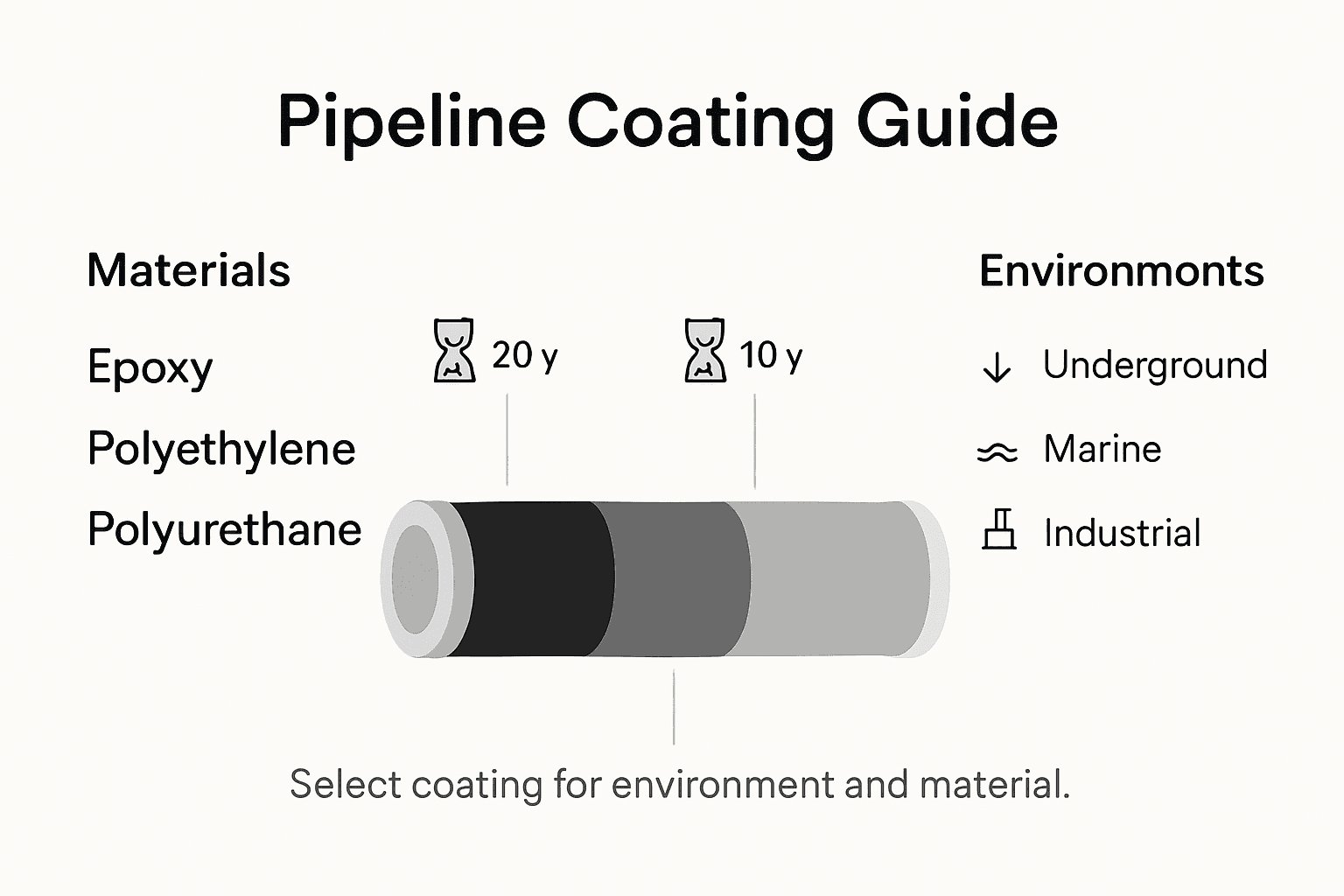
Pipeline coating technologies encompass a wide range of materials specifically developed to address unique environmental conditions. The primary coating types include:
- Fusion Bond Epoxy (FBE): Preferred for buried pipelines
- Exceptional durability
- Cost-effective application
- High resistance to mechanical damage
- Polyethylene Coatings: Ideal for challenging environments
- Superior moisture protection
- Strong adhesion properties
- Excellent chemical resistance
- Metallized Zinc Coatings: Designed for aggressive conditions
- Enhanced corrosion protection
- Excellent for harsh chemical exposures
- Provides sacrificial protection mechanism
Advanced coating technologies like polyethylene encasement incorporate specialized corrosion inhibitors that actively mitigate degradation processes. These sophisticated materials are meticulously selected based on specific environmental conditions, anticipated chemical interactions, and long-term performance requirements. Internal pipeline linings, such as cement-mortar coatings for ductile iron pipes, provide additional protection and can improve overall flow characteristics.
Here’s a side-by-side comparison of common pipeline coating materials and their ideal applications:
| Coating Material | Best Use Environment | Typical Lifespan |
|---|---|---|
| Fusion Bond Epoxy (FBE) | Underground pipelines | 30+ years |
| Polyethylene | Extreme environments | 40+ years |
| Metallized Zinc | Highly corrosive areas | 20–40 years |
Pro tip: Conduct comprehensive environmental and material compatibility testing before selecting a pipeline coating to ensure optimal long-term performance and protection.
How Protective Coatings Prevent Pipeline Corrosion
Corrosion represents a persistent and destructive threat to pipeline infrastructure, capable of compromising structural integrity and potentially causing catastrophic system failures. Understanding the complex mechanisms of corrosion prevention is crucial for maintaining long-term pipeline performance and safety.
Protective coatings work through sophisticated mechanisms to interrupt the electrochemical processes that drive metal degradation. These advanced materials create multiple lines of defense against corrosive elements by:
- Barrier Protection: Physically blocking moisture, oxygen, and electrolytes
- Chemical Inhibition: Neutralizing potential corrosive interactions
- Sacrificial Mechanism: Providing alternative corrosion pathways
Multilayer coating systems typically involve complex interactions between primer layers and environmental protective topcoats to maximize pipeline durability. These integrated systems often combine physical barriers with electrochemical protection techniques like cathodic protection. The primer ensures strong adhesion to the metal substrate, while topcoats provide robust environmental resistance.
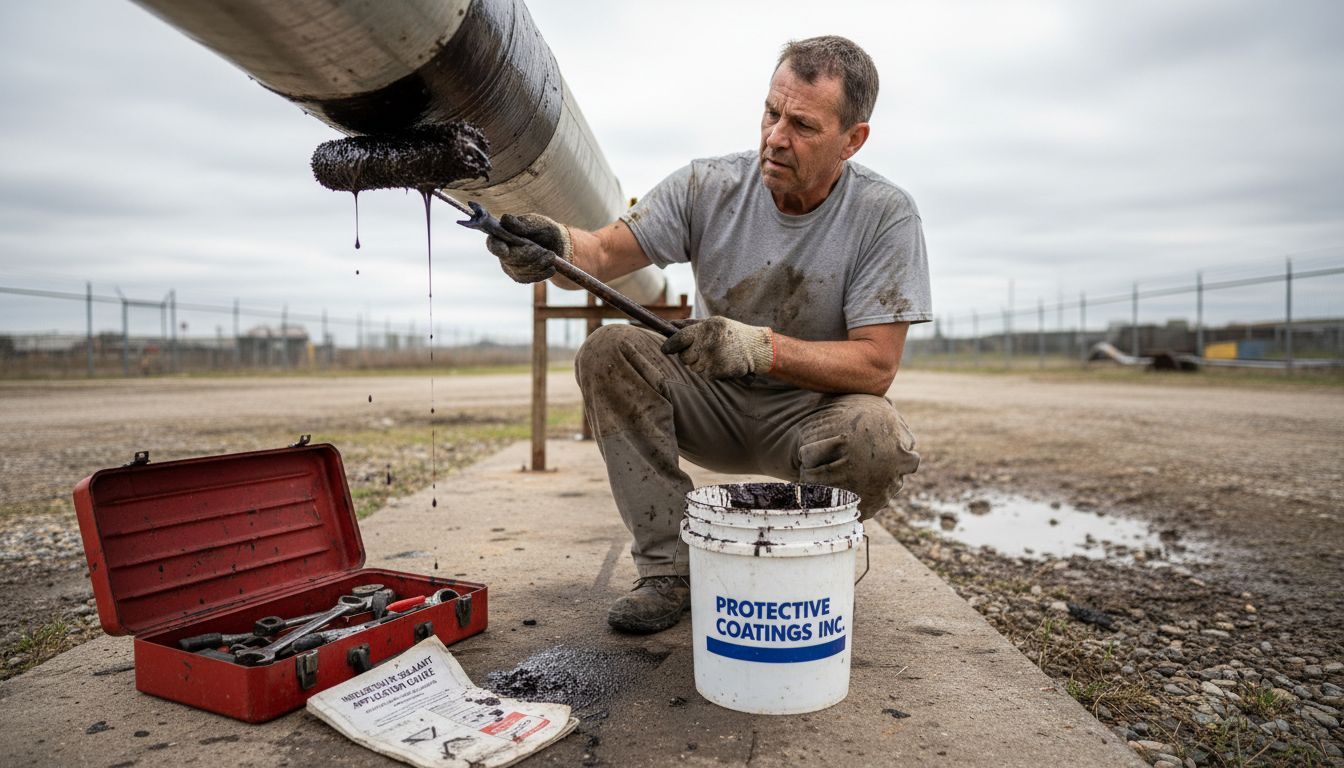
Modern pipeline protection strategies involve intricate engineering approaches that go beyond simple surface treatment. By understanding the precise environmental challenges and selecting appropriate coating technologies, engineers can create comprehensive protection systems that dramatically extend pipeline service life and minimize potential failure risks.
Pro tip: Regularly inspect pipeline coatings and perform professional condition assessments to detect early signs of coating degradation before significant corrosion can develop.
Industry Standards and Regulatory Compliance Essentials
Pipeline protective coatings operate within a complex regulatory landscape designed to ensure maximum safety, performance, and environmental protection. These comprehensive guidelines establish critical benchmarks for material selection, application processes, and ongoing maintenance protocols that pipeline operators must rigorously follow.
Federal regulations like 49 CFR Part 192 Subpart I mandate specific requirements for corrosion control and protective coating standards. These regulations specify detailed criteria including:
- Coating Adhesion: Ensuring strong bonding to metal surfaces
- Moisture Resistance: Preventing water penetration
- Handling Durability: Withstanding mechanical stresses
- Damage Repair Protocols: Mandating immediate defect correction
The Pipeline and Hazardous Materials Safety Administration (PHMSA) continually updates industry consensus standards to incorporate technological innovations and best practices. These updates involve integrating standards from professional organizations like ASTM and NACE, which provide comprehensive guidelines for:
- Material selection
- Fabrication techniques
- Coating application methods
- Comprehensive corrosion protection strategies
Compliance with these intricate regulatory frameworks is not merely a legal requirement but a critical component of infrastructure safety. Pipeline operators must develop robust documentation, implement rigorous inspection protocols, and maintain meticulous records demonstrating adherence to these evolving standards.
Pro tip: Maintain a comprehensive compliance tracking system that monitors regulatory changes and automatically updates your pipeline protection strategies to ensure continuous alignment with the latest industry standards.
Risks of Unprotected Pipelines and Common Mistakes
Pipeline infrastructure represents a critical and complex system vulnerable to numerous operational risks that can compromise safety, environmental integrity, and economic stability. Unprotected pipelines are particularly susceptible to catastrophic failures that can result in significant financial losses, environmental damage, and potential public safety hazards.
Unprotected pipelines face substantial risks from multiple environmental and operational challenges, including:
- Corrosion Vulnerability: Accelerated metal degradation
- External Interference: Mechanical damage risks
- Environmental Exposure: Chemical and moisture challenges
- Structural Integrity Compromise: Potential system failure points
Pipeline incidents can lead to catastrophic consequences such as leaks, ruptures, fires, and widespread environmental contamination. The most common mistakes that significantly increase these risks include:
- Inadequate protective coating application
- Delayed maintenance schedules
- Poor corrosion monitoring practices
- Insufficient inspection protocols
- Ignoring early warning signs of degradation
Aging infrastructure compounds these risks, with mechanical failures and corrosion becoming increasingly probable without comprehensive protection strategies. Pipeline operators must develop proactive maintenance approaches that integrate advanced monitoring technologies, regular professional inspections, and robust protective coating systems to mitigate potential catastrophic failures.
Review this summary of key risks facing pipelines without protective coatings:
| Risk Category | Potential Impact | Example Incident |
|---|---|---|
| Corrosion | Pipe wall loss, leaks | Underground corrosion breach |
| External Interference | Mechanical punctures or dents | Accident from construction |
| Environmental Exposure | Chemical attack, moisture ingress | Pipeline failure near wetlands |
| Aging Infrastructure | Increased failure probability | Rupture in old pipeline |
Pro tip: Implement a predictive maintenance program using advanced diagnostic technologies to identify potential pipeline vulnerabilities before they escalate into critical system failures.
Protect Your Pipelines with Expert Industrial Coating Services
Corrosion and environmental damage can silently threaten the safety and longevity of your pipeline infrastructure. If you are concerned about maintaining structural integrity and preventing costly failures due to coating degradation or improper application then Southern Sandblasting & Painting LLC has the solution. Our 20+ years of experience specializing in surface preparation and industrial-grade protective coatings ensures that your pipelines receive durable barrier protection designed to resist moisture, chemical exposure, and mechanical stress.

Take proactive control over pipeline corrosion risks by partnering with a trusted local provider in Orlando who understands the importance of regulatory compliance, material compatibility, and expert application techniques. Visit Southern Sandblasting & Painting LLC today to learn how our comprehensive surface preparation and coating services can extend your asset’s lifespan and safeguard critical infrastructure. Don’t wait for failures to happen – act now to protect your pipelines with proven expertise.
Frequently Asked Questions
What are protective coatings for pipelines?
Protective coatings are specialized materials designed to shield pipelines from environmental degradation and corrosion, ensuring the structural integrity and longevity of pipeline systems.
What types of pipeline coating materials are available?
Common types include Fusion Bond Epoxy (FBE), which is durable for buried pipelines, Polyethylene coatings for extreme environments, and Metallized Zinc coatings for highly corrosive areas, each offering unique protective properties.
How do protective coatings prevent pipeline corrosion?
Protective coatings prevent corrosion by providing barrier protection against moisture and oxygen, employing chemical inhibitors to neutralize corrosive interactions, and utilizing sacrificial mechanisms to divert corrosion away from the pipeline material.
What are the risks of using unprotected pipelines?
Unprotected pipelines face significant risks including accelerated corrosion, potential environmental contamination from leaks, mechanical damage from external interference, and a high probability of catastrophic failures, leading to serious safety and environmental concerns.


