by Mike Folta | Aug 17, 2026 | Sandblasting & Painting
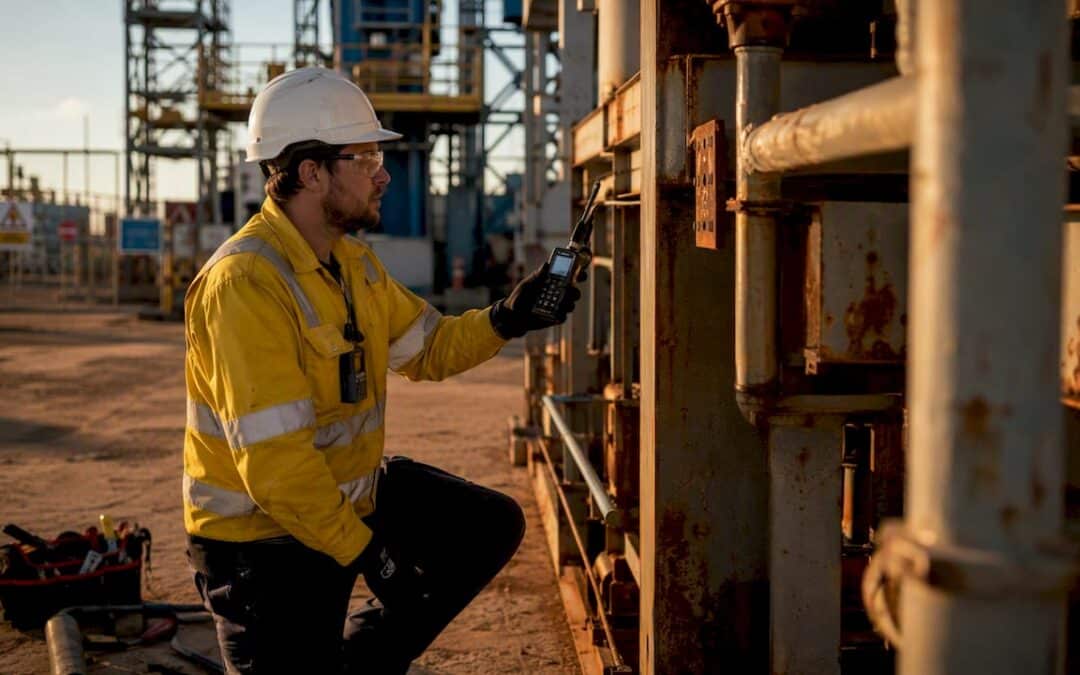
Meet safety standards by building a proactive safety-and-health program around OSHA’s seven core elements, applying the hierarchy of controls to every hazard you find, and verifying results through regular audits, inspections, and worker feedback. That’s the whole...
by Mike Folta | Aug 16, 2026 | Sandblasting & Painting
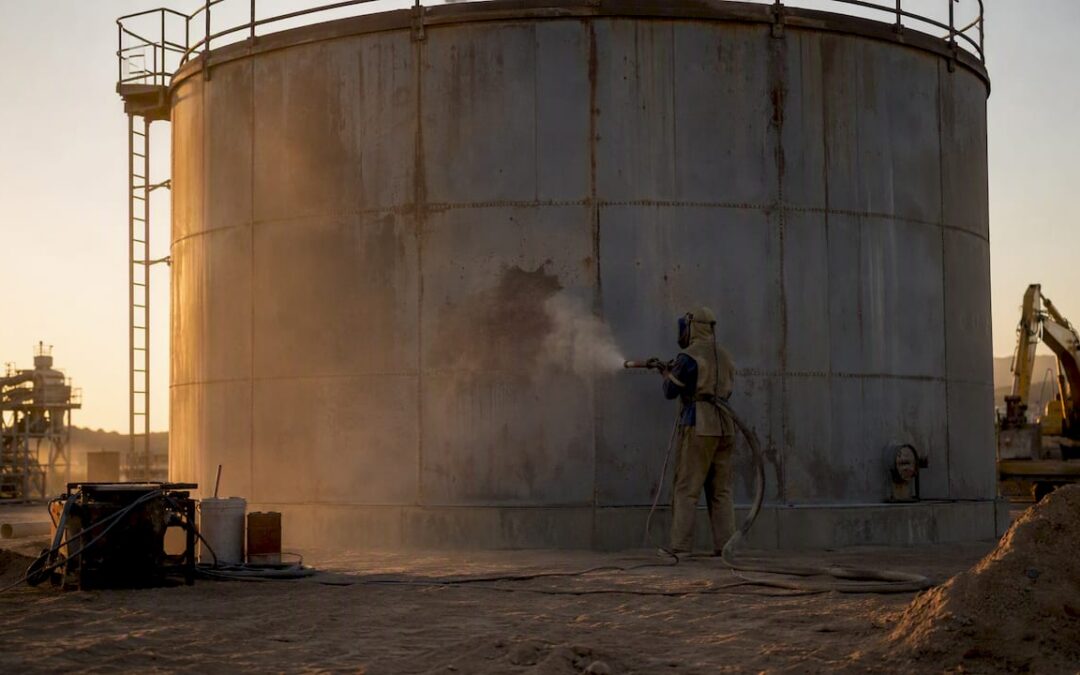
Protective coatings and surface preparation are the most cost-effective asset-management investment most facility budgets consistently underfund. A single well-specified coating system can extend a bridge’s service life by 25–45 years, while unprotected structural...
by Mike Folta | Aug 15, 2026 | Sandblasting & Painting
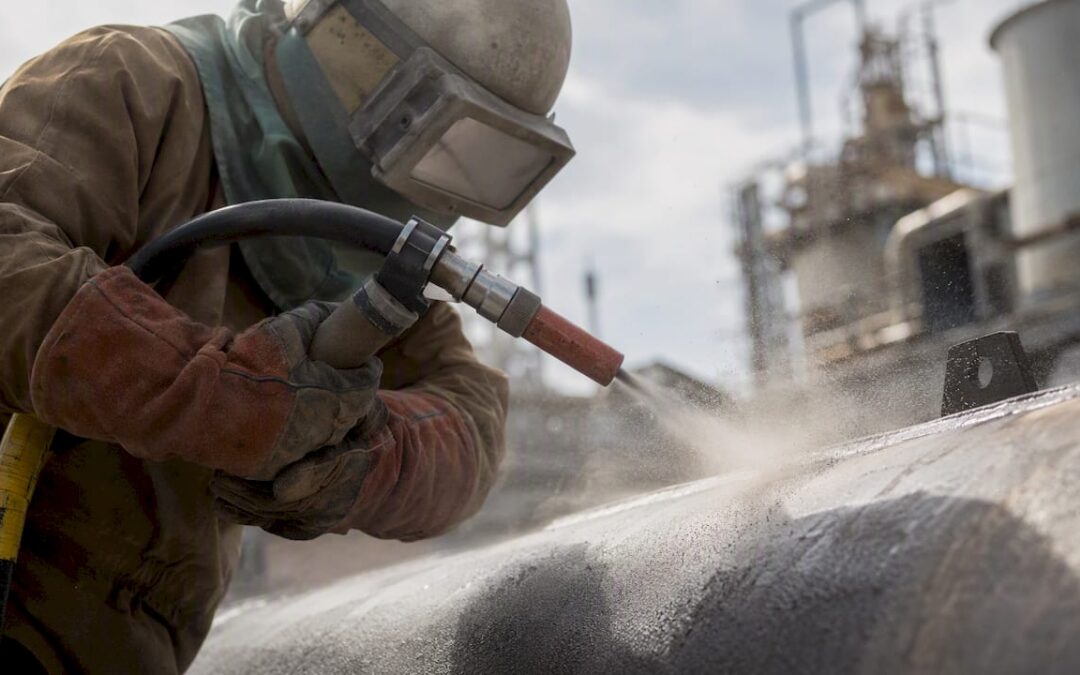
OSHA blasting compliance means meeting every applicable federal standard before, during, and after a blasting operation, and having documented evidence ready when a compliance officer walks onto your site. The governing standards are 29 CFR 1910.94 (abrasive blasting...
by Mike Folta | Aug 14, 2026 | Sandblasting & Painting
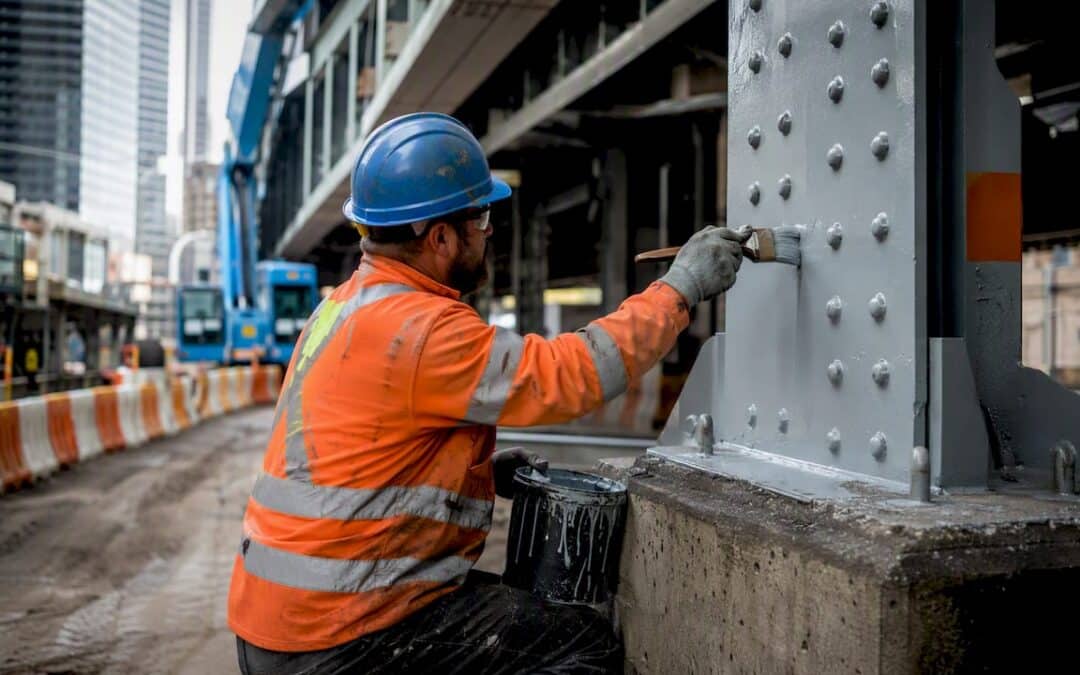
City infrastructure maintenance is the planned combination of routine, preventive, and reactive activities that preserves service levels and minimizes total life-cycle cost. If you manage public assets and need to act today, start here: confirm your asset register is...
by Mike Folta | Aug 13, 2026 | Sandblasting & Painting
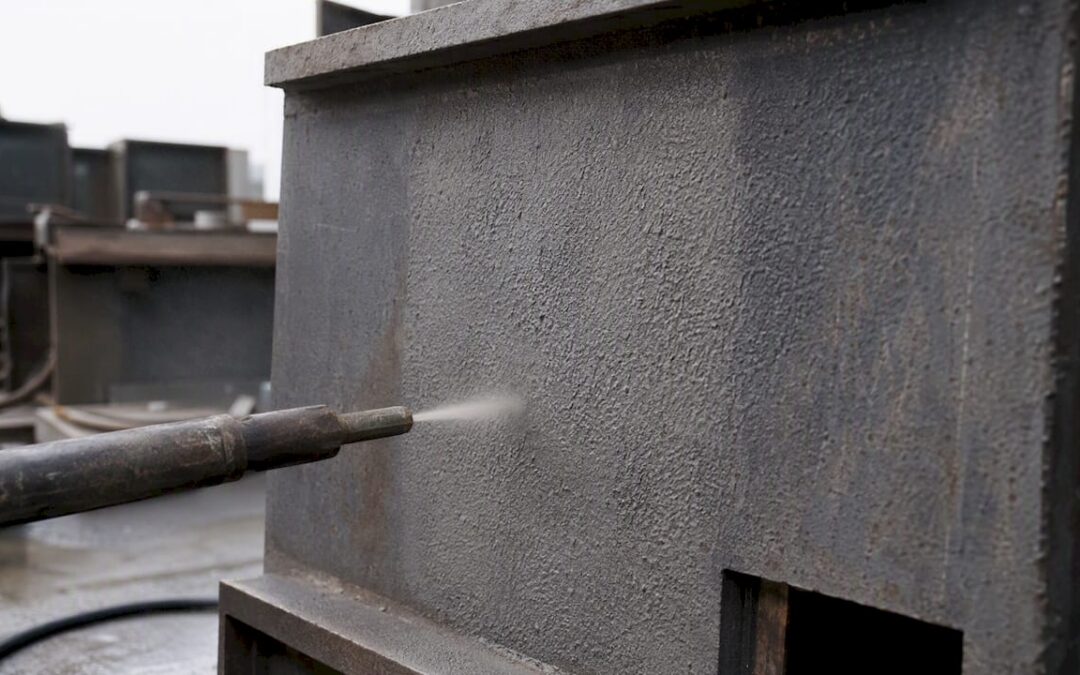
Surface profile is the blast-produced anchor pattern on steel, measured as the average peak-to-valley height and expressed in mils (thousandths of an inch) or micrometers (µm). Before any blasting begins, you need three things locked into your project documents: a...
by Mike Folta | Aug 12, 2026 | Sandblasting & Painting
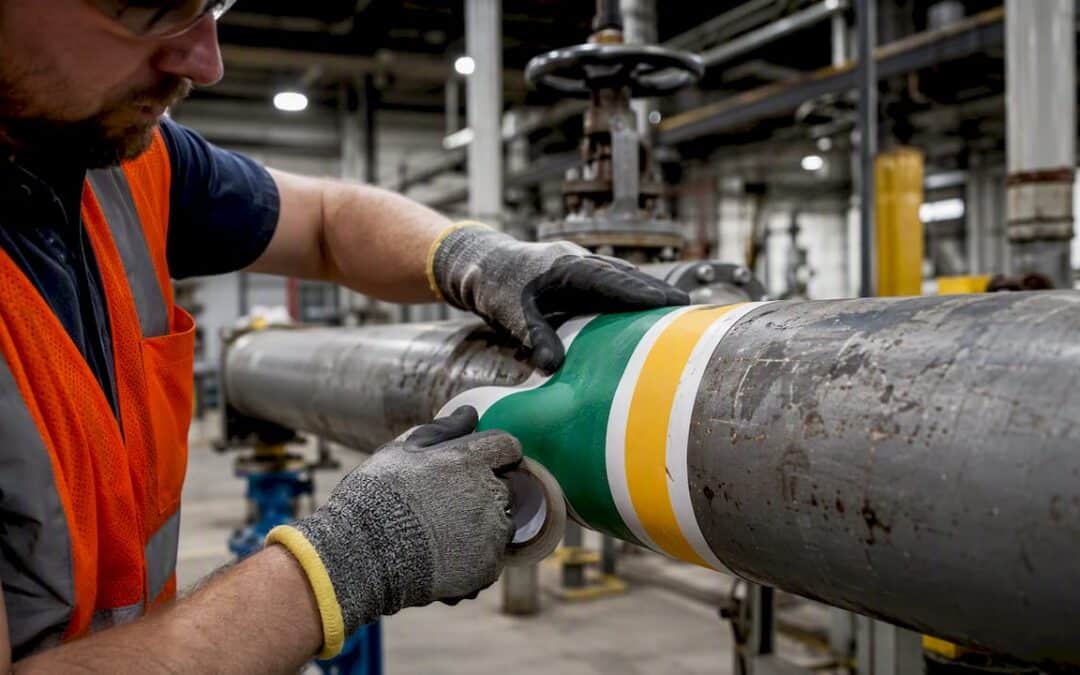
ASME A13.1 is the U.S. standard for pipe color coding, and it works in tandem with ANSI Z535.1 safety-color specifications. Together, they define exactly which background-and-legend color pairs to use, how large the markers must be, where to place them, and what to do...