
Most facility managers view painting as an aesthetic upgrade, but that’s a costly misconception. In Central Florida’s municipal and industrial sectors, painting is a strategic asset protection tool that extends infrastructure life by decades, ensures regulatory compliance, and reduces long-term maintenance costs. This guide reveals how proper painting practices transform facility management outcomes.
Table of Contents
- Introduction To Painting In Facility Management
- Role Of Painting In Durability And Asset Protection
- Regulatory Compliance And Environmental Standards For Industrial Painting
- Safety Standards And Risk Management In Painting Projects
- Surface Preparation’s Influence On Painting Effectiveness
- Painting Project Management And Sequencing
- Best Practices In Selecting Industrial Coating Materials
- Enhance Your Infrastructure Durability With Expert Painting Services
- Frequently Asked Questions
Key takeaways
| Point | Details |
|---|---|
| Asset protection | Painting extends infrastructure lifespan by up to 20 years through corrosion and UV protection. |
| Regulatory compliance | EPA 2026 VOC limits and OSHA safety standards directly impact coating selection and application methods. |
| Surface preparation | Proper prep prevents coating failure that can reduce durability by 40% and increase maintenance costs. |
| Project management | Phased scheduling and low-VOC product selection minimize downtime by up to 30% during active operations. |
| Material selection | Choosing between epoxy, polyurethane, and water-based coatings depends on environmental conditions and compliance needs. |
Introduction to painting in facility management
Painting serves as the first line of defense against environmental damage in facility management. Beyond color changes, industrial painting protects assets from corrosion, moisture intrusion, and UV degradation that silently destroy infrastructure value. For Central Florida facilities, where humidity and salt air accelerate deterioration, protective coatings are essential maintenance investments.
Facility managers face mounting pressure to balance asset longevity with regulatory compliance. EPA and OSHA standards increasingly dictate coating choices and application methods, making painting a technical discipline rather than a cosmetic service. Municipal water tanks, airport infrastructure, and industrial pipelines all depend on specialized coating systems that meet strict environmental and safety criteria.
The role of painting in facility management encompasses four critical functions:
- Physical protection against rust, corrosion, and weathering
- Regulatory compliance with environmental and safety standards
- Cost reduction through extended maintenance cycles
- Risk mitigation for worker safety and environmental liability
Central Florida’s humid subtropical climate demands coating solutions engineered for constant moisture exposure and intense UV radiation. Generic paint products fail within years, while properly specified industrial coatings maintain protection for decades. Understanding these distinctions separates effective facility management from reactive crisis response.
Role of painting in durability and asset protection
Industrial coatings create a barrier system that blocks corrosive elements from reaching substrate materials. Properly applied coatings can extend asset lifespan by up to 20 years compared to uncoated surfaces, transforming capital expenditure planning for facility managers. This protection translates directly into reduced replacement costs and deferred capital outlays.
The protective mechanism works through multiple layers. Primer coatings bond chemically to cleaned metal surfaces, intermediate coats provide thickness and chemical resistance, and topcoats deliver UV protection and weather resistance. Each layer plays a specific role in the protection system, and skipping steps compromises the entire investment.
Pro Tip: Schedule coating inspections every 18 months to catch small failures before they cascade into expensive repairs requiring full recoating.
Corrosion prevention delivers the most significant cost savings. A municipal water tank that rusts through requires complete replacement at millions of dollars, while systematic coating maintenance costs thousands annually. The economic case for protective painting grows stronger as asset values increase and replacement becomes more complex.
Key durability factors include:
- Chemical formulation matched to exposure conditions
- Application thickness meeting manufacturer specifications
- Environmental controls during curing periods
- Regular inspection and touch up protocols
Central Florida facilities benefit from coatings specifically formulated for high humidity and salt air exposure. These specialized products contain additives that resist moisture penetration and inhibit rust formation even when minor coating damage occurs. Generic architectural paints lack these protective mechanisms and fail rapidly in industrial service.
Regulatory compliance and environmental standards for industrial painting
EPA regulations fundamentally reshape coating selection in 2026. The agency’s latest rule reduces allowable VOC content in industrial coatings by nearly half compared to previous standards, forcing manufacturers to reformulate products and contractors to update application techniques. Facility managers must verify that specified coatings meet current VOC limits to avoid violations.
OSHA safety mandates create additional compliance layers. Fall protection becomes mandatory at heights above 6 feet, respiratory protection requires annual fit testing, and confined space entry demands specialized ventilation equipment. These requirements increase project costs but dramatically reduce worker injury rates and associated liability.
Lead-based paint remains a critical concern for facilities built before 1978. Disturbing lead paint without proper containment and disposal creates environmental contamination and worker exposure risks. Certified contractors must follow EPA RRP regulations including containment barriers, HEPA filtration, and documented disposal at approved facilities.
“ISO certifications including 9001, 14001, and 45001 provide frameworks for quality management, environmental performance, and occupational health that ensure predictable compliance outcomes in industrial painting projects.”
Compliance costs have risen significantly, with contractors investing in upgraded equipment, worker training, and documentation systems. However, these investments reduce project risks and improve quality outcomes. Facility managers benefit from fewer coating failures, lower insurance premiums, and simplified audit processes.
Regulatory landscape components include:
- VOC content limits requiring low emission formulations
- Worker safety protocols for respiratory protection and fall prevention
- Lead paint handling and disposal requirements
- Documentation requirements for compliance verification
Staying current with regulatory changes requires ongoing education. EPA and OSHA regularly update standards, and local municipalities may impose additional requirements. Partnering with certified contractors who maintain current knowledge protects facility managers from compliance gaps.
Safety standards and risk management in painting projects
OSHA establishes minimum safety requirements that protect workers during industrial painting operations. These standards cover fall protection above 6 feet, respiratory protection including annual fit testing, hazard communication for chemical exposures, and confined space entry protocols. Non-compliance results in citations, project delays, and potential facility shutdowns.
Fall protection systems vary by work height and structure. Guardrails provide passive protection for roof edges and elevated platforms, while personal fall arrest systems protect workers on vertical surfaces and suspended scaffolding. Every worker at height must have protection, and supervisors need documentation proving equipment inspection and worker training.
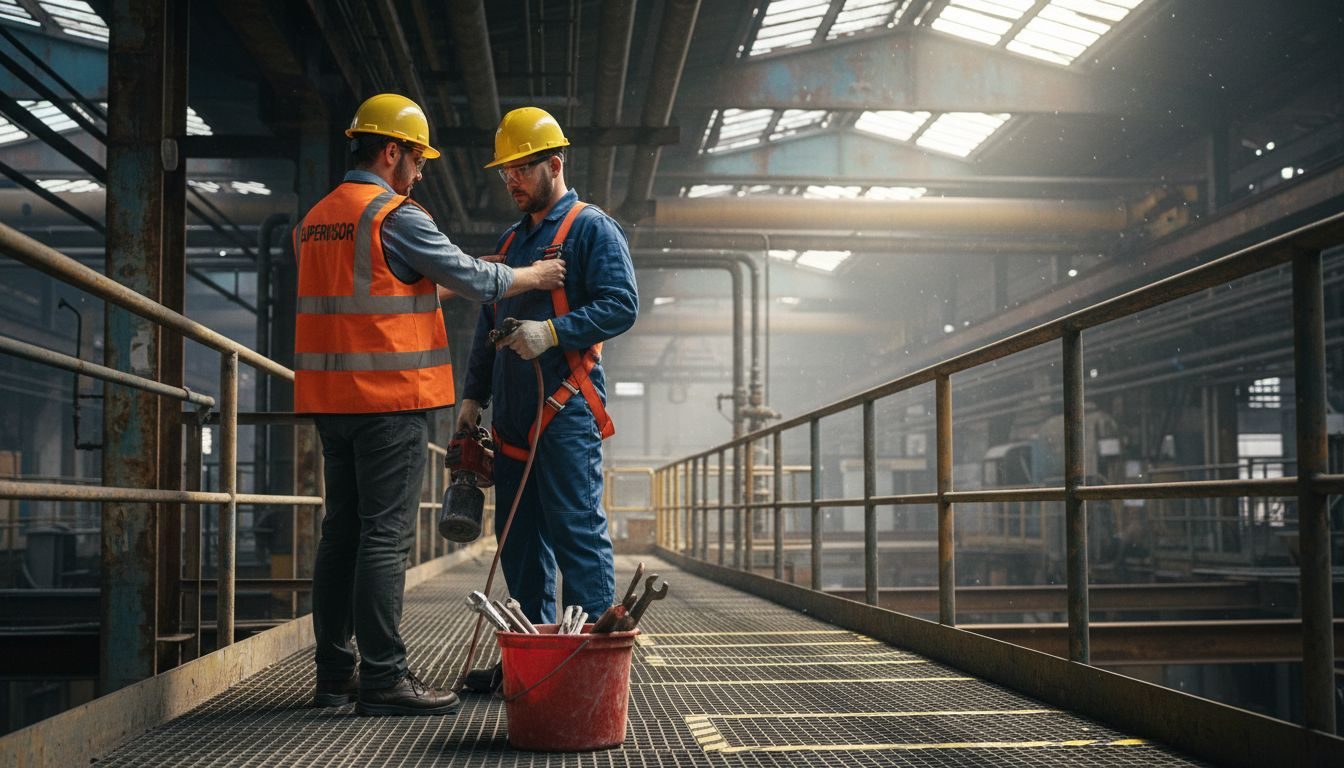
Respiratory hazards demand careful PPE selection. Solvent-based coatings release vapors that cause acute health effects and long-term organ damage. Safety protocols require proper respirator selection based on chemical exposure levels, annual fit testing to ensure seal integrity, and medical clearance confirming workers can safely wear respirators.
Pro Tip: Create a site-specific safety plan for each painting project that identifies hazards, assigns responsibilities, and establishes emergency procedures before work begins.
Confined space painting presents extreme risks. Tanks, pipelines, and enclosed structures trap solvent vapors at dangerous concentrations while limiting oxygen levels. Safe entry requires:
- Atmospheric testing before and during entry
- Continuous forced air ventilation
- Standby rescue personnel with retrieval equipment
- Communication systems between inside and outside workers
- Written permits documenting safety measures
Risk management extends beyond regulatory minimums. Leading contractors implement behavior-based safety programs, conduct regular safety audits, and investigate near-miss incidents to prevent future accidents. These proactive measures reduce insurance costs and improve project efficiency by avoiding injury-related delays.
Surface preparation’s influence on painting effectiveness
Surface preparation determines coating performance more than any other factor. Contamination and surface defects reduce coating lifespan by up to 40% by preventing proper adhesion and creating pathways for moisture intrusion. The cost savings from thorough prep far exceed the expense of premature coating failure and reapplication.
Sandblasting removes rust, old paint, mill scale, and contaminants while creating a roughened profile that enhances coating bonding. Industrial projects require specific surface profiles measured in mils, with coating manufacturers specifying minimum roughness for warranty coverage. Inadequate profiles result in coating delamination and voided warranties.
Contaminant removal addresses invisible threats. Oil residues from machinery, salt deposits from coastal exposure, and chemical residues from industrial processes all interfere with coating adhesion. Best practices include solvent wiping, alkaline cleaning, and freshwater rinsing before abrasive blasting.
| Surface Condition | Expected Coating Life | Maintenance Frequency | Lifecycle Cost |
|---|---|---|---|
| Proper sandblasting and cleaning | 15-20 years | Every 3-5 years inspection | Baseline |
| Hand tool cleaning only | 8-12 years | Annual inspection, frequent touch-up | 40% higher |
| No preparation | 3-5 years | Constant maintenance | 150% higher |
Pro Tip: Document surface preparation with photos and cleanliness measurements before coating application to establish quality baselines and protect against future disputes.
Inspection during prep phases catches problems before coating application. White metal blast cleaning provides the highest quality surface but costs more than commercial blast cleaning. Facility managers must balance initial prep costs against expected coating life and maintenance budgets. Critical assets justify premium prep methods, while less critical surfaces may accept shorter coating lives.
Preparation best practices include:
- Abrasive blasting to specified cleanliness standards
- Profile depth measurement and documentation
- Environmental controls for temperature and humidity during application
- Quality inspections at each preparation stage
Painting project management and sequencing
Efficient project management minimizes facility disruption while maintaining coating quality. Phased scheduling reduces downtime costs by up to 30% by allowing portions of the facility to remain operational during painting. This approach requires careful coordination but delivers significant value for active industrial and municipal sites.
Coordination with facility operations prevents conflicts between painting activities and production schedules. Some processes cannot tolerate solvent vapors or require continuous operation. Project managers must identify these constraints during planning and sequence work to avoid shutdowns or contamination incidents.
Low-VOC and fast-drying coating selection accelerates project timelines while meeting environmental regulations. Modern water-based industrial coatings cure in hours rather than days, reducing the window when painted areas remain out of service. These products cost more initially but deliver value through reduced downtime.
Successful project sequencing follows these steps:
- Conduct pre-project facility assessment to identify operational constraints
- Develop phased work plan isolating painting areas from active operations
- Establish communication protocols between contractors and facility staff
- Schedule work during planned maintenance windows when possible
- Monitor progress daily and adjust sequencing as conditions change
Stakeholder communication prevents misunderstandings. Facility managers, operations staff, contractors, and safety personnel need regular updates on project status, schedule changes, and safety considerations. Clear application protocols establish expectations and accountability.
Project management tools help track multiple work phases. Simple Gantt charts show task dependencies and critical paths, while daily logs document progress and issues. These records prove valuable if disputes arise or if facility managers need to demonstrate due diligence during audits.
Best practices in selecting industrial coating materials
Coating selection balances performance requirements, environmental compliance, and budget constraints. Epoxy coatings offer superior corrosion resistance and chemical durability, making them ideal for tanks, pipelines, and chemical processing equipment. However, traditional epoxy formulations contain high VOC levels, though low-VOC versions now meet 2026 EPA standards.
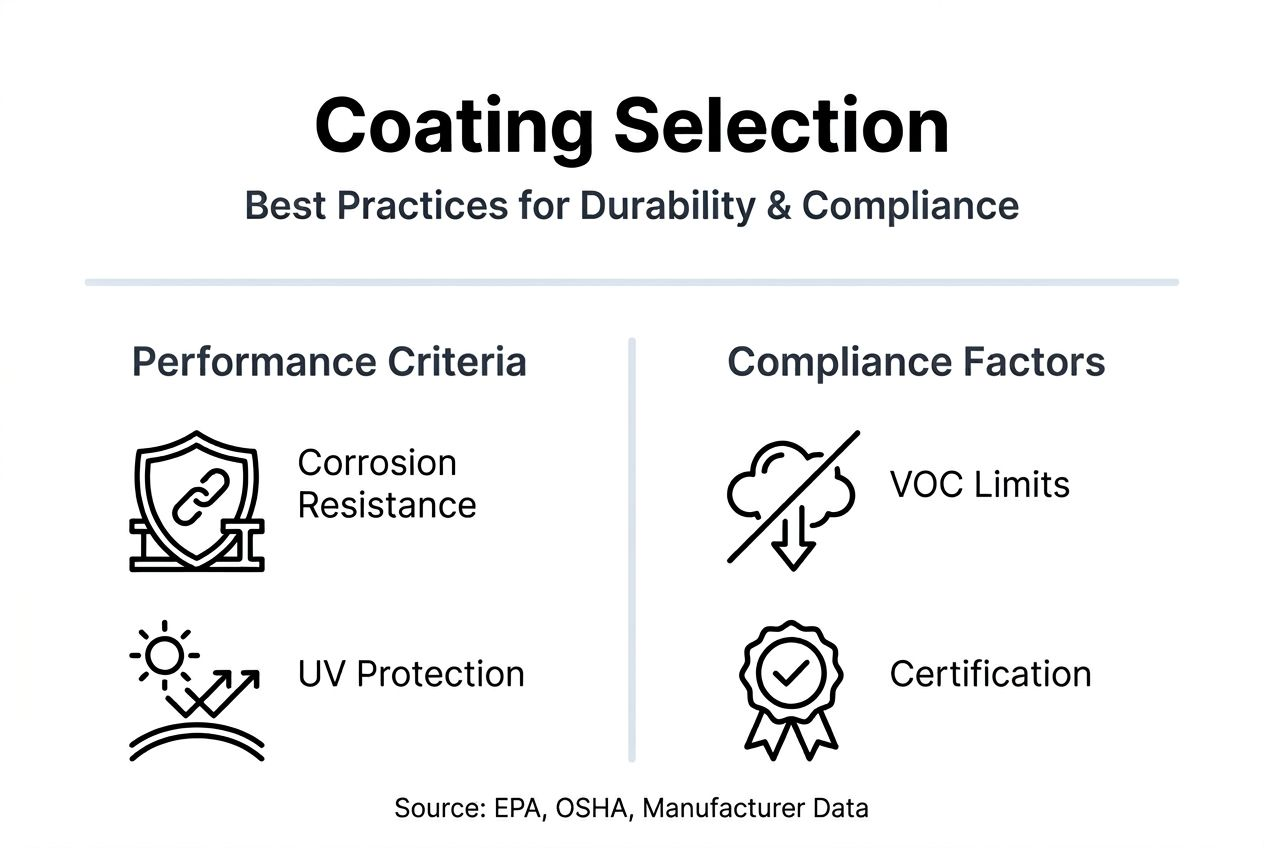
Polyurethane coatings excel in UV resistance and flexibility, perfect for outdoor structures exposed to constant sunlight and temperature cycling. These coatings maintain gloss and color stability far longer than epoxies, reducing the frequency of repainting for aesthetic maintenance. Central Florida’s intense sun makes polyurethane the preferred topcoat for exposed infrastructure.
Water-based coatings have transformed in recent years from poor performers to viable industrial options. Modern formulations provide good chemical resistance and excellent environmental profiles with minimal VOC emissions. Fast drying times reduce project duration, though these coatings may require additional coats to achieve equivalent film thickness compared to solvent-based products.
| Coating Type | Corrosion Resistance | UV Resistance | VOC Content | Cost per Gallon | Best Application |
|---|---|---|---|---|---|
| Epoxy | Excellent | Poor | Medium-High | $45-75 | Tanks, pipelines, immersed surfaces |
| Polyurethane | Good | Excellent | Medium | $55-85 | Exterior structures, equipment |
| Water-based | Good | Good | Very Low | $35-60 | Interior spaces, quick-turnaround projects |
Material selection considerations include:
- Service environment temperature ranges and chemical exposures
- Required coating life and maintenance budget
- VOC compliance requirements and local regulations
- Application method compatibility with facility constraints
Facility managers should request technical data sheets documenting coating performance properties and compliance certifications. Manufacturer warranties often require specific surface preparation and application methods, creating obligations for proper contractor selection. Understanding coating types enables informed discussions with contractors and better project outcomes.
Enhance your infrastructure durability with expert painting services
Protecting Central Florida infrastructure requires specialized knowledge of coating systems, regulatory requirements, and local environmental conditions. Southern Sandblasting & Painting brings over 20 years of experience delivering compliant, durable solutions for municipal and industrial facilities. Our certified teams understand that proper surface preparation and coating selection directly impact your asset lifecycles and maintenance budgets.
We offer comprehensive sandblasting services that prepare surfaces to manufacturer specifications, followed by expert application of industrial coatings matched to your facility’s unique demands. Our surface preparation expertise ensures maximum coating adhesion and longevity. Partnering with qualified specialists protects your infrastructure investment while maintaining full regulatory compliance.
Frequently asked questions
What types of coatings are best for industrial facilities in Central Florida?
Epoxy coatings provide excellent corrosion resistance for harsh chemical environments and immersed surfaces like water tanks. Polyurethane coatings work best for UV-exposed structures including outdoor equipment and building exteriors. Water-based options meet strict VOC requirements while delivering adequate protection for less demanding applications.
How do new EPA 2026 VOC regulations affect painting projects?
VOC limits have decreased by nearly 50% compared to previous standards, requiring facility managers to specify compliant low-emission coatings. Projects need updated documentation proving product compliance, and contractors must adjust application techniques for newer formulations. These changes increase upfront costs but reduce environmental liability and improve indoor air quality.
Why is surface preparation so critical to painting success?
Proper preparation removes rust, oils, and old paint that prevent coating adhesion to substrate materials. Inadequate surface prep can reduce coating lifespan by up to 40%, forcing premature repainting that multiplies costs. Thorough sandblasting and cleaning create the roughened profile needed for long-term coating bonding and protection.
What safety measures are required during industrial painting?
OSHA mandates fall protection systems for work above 6 feet including guardrails or personal arrest equipment. Respiratory protection requires proper PPE selection, annual fit testing, and medical clearance for workers. Confined space painting demands atmospheric testing, continuous ventilation, standby rescue personnel, and written entry permits documenting all safety controls.


