
Protecting public assets in Central Florida means facing constant threats from humidity, strong sun, and heavy use. Facility managers know that choosing the wrong paint can lead to costly repairs and safety concerns down the road. This guide explores the science behind industrial-grade paint and highlights proven coatings that fight corrosion, resist harsh chemicals, and meet strict safety standards—so your infrastructure stays strong and compliant year after year.
Table of Contents
- Industrial-Grade Paint Defined and Debunked
- Main Types and Coating Technologies Explained
- Durability, Corrosion Resistance, and Safety Features
- Key Use Cases for Municipal Facilities
- Risks, Costs, and Compliance in Application
Key Takeaways
| Point | Details |
|---|---|
| Industrial-grade Paint Provides Superior Protection | It offers exceptional durability, corrosion resistance, and chemical stability suitable for harsh environments. |
| Advanced Coating Technologies Are Essential | Different technologies like Thermal Spray Coating and Powder Coating are designed for specific applications, maximizing performance and lifespan. |
| Safety and Compliance Are Critical | Proper training, monitoring, and documentation are necessary to ensure worker safety and regulatory adherence in industrial paint applications. |
| Strategic Selection Based on Use Cases | Evaluating environmental conditions and performance requirements is crucial for selecting the right coating solutions for municipal facilities. |
Industrial-Grade Paint Defined and Debunked
Industrial-grade paint represents a sophisticated protective coating engineered to withstand extreme environmental conditions and mechanical stress. Unlike consumer-grade paints, these specialized formulations deliver exceptional durability and performance for critical infrastructure applications.
At its core, industrial-grade paint is designed to protect surfaces from corrosion, chemical exposure, and structural degradation. These paints incorporate advanced resin technologies, specialized pigments, and performance-enhancing additives that create a robust protective barrier. Industrial coating terminology reveals the complex chemistry behind these remarkable protective systems.
Key characteristics that distinguish industrial-grade paints include:
- Superior adhesion to diverse substrate materials
- Resistance to temperature fluctuations from -40°F to 250°F
- Chemical and UV resistance
- Exceptional durability under mechanical stress
- Extended lifespan compared to standard architectural coatings
According to the CDC’s chemical hazards guide, industrial paints contain complex chemical compositions that require specialized handling and application protocols. These formulations often include epoxy, polyurethane, zinc-rich, and silicone-based technologies engineered for specific environmental challenges.
Pro tip: Always consult manufacturer specifications and conduct comprehensive substrate testing before selecting an industrial-grade paint system for your specific infrastructure application.
Main Types and Coating Technologies Explained
Industrial coating technologies represent sophisticated surface protection methods designed to enhance infrastructure durability and performance. These advanced systems go far beyond traditional painting, incorporating complex chemical engineering principles to create robust protective barriers against environmental and mechanical stresses.
Several primary coating technologies dominate the industrial landscape, each offering unique advantages for specific applications. Thermal spray coating techniques provide exceptional surface enhancement capabilities, including methods like detonation-gun, flame, and high-velocity oxygen fuel spraying that deliver superior corrosion and wear resistance.
Key industrial coating technologies include:
- Thermal Spray Coatings: High-performance metallic and ceramic applications
- Dip Coating: Precise thin film applications with uniform coverage
- Powder Coating: Solvent-free protective layers with excellent durability
- Electroplating: Metal deposition for enhanced surface properties
- Sol-Gel Coatings: Advanced ceramic and hybrid material technologies
Dip coating processes demonstrate remarkable precision in creating uniform protective films, utilizing sophisticated sol-gel chemistries that enable complex surface transformations. These techniques allow manufacturers to develop extremely thin yet highly effective protective layers with molecular-level control.
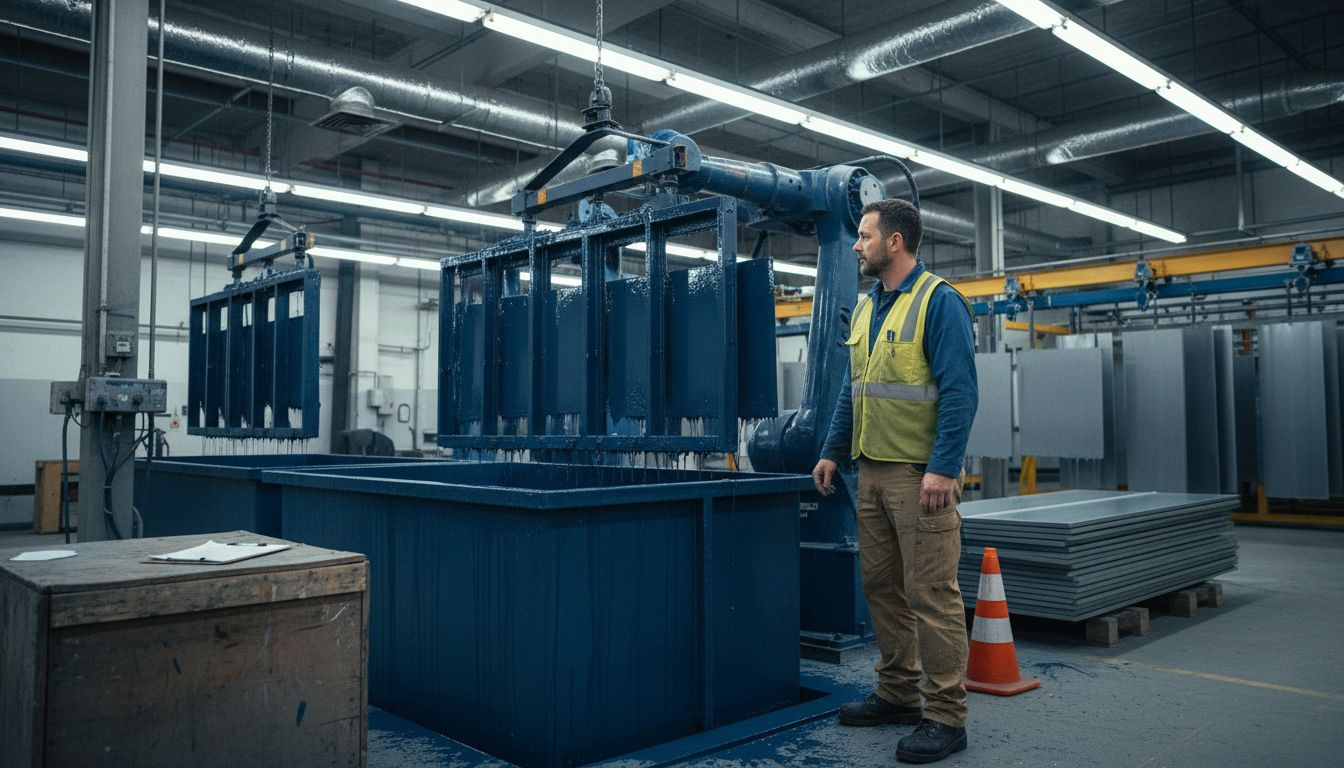
Here is a summary comparing leading industrial coating technologies and their optimal use cases:
| Coating Technology | Typical Application Areas | Key Benefits |
|---|---|---|
| Thermal Spray Coatings | Bridges, pipelines, machinery | Superior corrosion resistance |
| Dip Coating | Delicate parts, electronics | Uniform, thin protective film |
| Powder Coating | Public infrastructure, railings | No solvents, durable finish |
| Electroplating | Electrical contacts, fittings | Enhanced conductivity and wear |
| Sol-Gel Coatings | High-performance surfaces | Advanced ceramic protection |
The selection of an appropriate coating technology depends on multiple factors, including substrate material, environmental conditions, mechanical stress expectations, and desired performance characteristics. Engineers must carefully evaluate each technology’s specific strengths and limitations to ensure optimal infrastructure protection.
Pro tip: Consult materials engineering specialists to conduct comprehensive substrate analysis before selecting a specific industrial coating technology for your critical infrastructure applications.
Durability, Corrosion Resistance, and Safety Features
Industrial-grade paint systems represent critical protective technologies designed to shield infrastructure from environmental degradation, mechanical stress, and potential safety hazards. These advanced coatings go beyond aesthetic considerations, serving as essential barriers that preserve structural integrity and protect human health.
Corrosion mechanisms represent a significant threat to industrial infrastructure, causing billions of dollars in annual damage across multiple sectors. Understanding these complex deterioration processes allows engineers to develop sophisticated coating technologies that mitigate structural vulnerabilities and extend asset lifespans.
Key durability and safety features of industrial-grade paints include:
- Chemical resistance against harsh environmental conditions
- Temperature stability from -40°F to 250°F
- Molecular-level bonding with substrate materials
- UV and oxidation protection
- Minimal volatile organic compound (VOC) emissions
- Enhanced mechanical wear resistance
- Reduced risk of structural compromises
Lead-safe painting practices demonstrate the critical safety considerations inherent in industrial coating applications. These protocols ensure worker protection and environmental compliance, highlighting the comprehensive approach required when selecting and applying protective paint systems.
The selection of an appropriate industrial-grade paint demands comprehensive analysis of substrate characteristics, environmental exposure, mechanical stress expectations, and potential health implications. Engineers must balance performance requirements with safety standards, creating coating solutions that provide maximum protection while minimizing potential risks.
Pro tip: Conduct comprehensive substrate analysis and environmental risk assessment before selecting industrial-grade paint to ensure optimal durability and safety performance.
Key Use Cases for Municipal Facilities
Municipal infrastructure protection represents a critical application of industrial-grade paint technologies, addressing complex challenges faced by local government facilities across water treatment, transportation, public buildings, and critical community assets. These specialized coating systems provide comprehensive solutions that extend asset lifespans while ensuring public safety and operational efficiency.
Municipal finance sustainability critically depends on strategic infrastructure maintenance, with industrial-grade paint serving as a cost-effective preventative measure against structural deterioration. By implementing advanced protective coating strategies, municipalities can significantly reduce long-term repair and replacement expenses.
Key municipal facility use cases for industrial-grade paint include:
- Water treatment plant storage tanks and pipelines
- Bridge structural components and support systems
- Public transportation infrastructure (bus terminals, train stations)
- Municipal building exteriors and interior high-traffic areas
- Parking structures and parking garage surfaces
- Waste management facility equipment
- Emergency service vehicle maintenance facilities
- Public parks and recreational infrastructure metal components
Lead-safe renovation guidelines demonstrate the critical safety considerations for municipal painting projects. These EPA protocols ensure that public facilities maintain the highest standards of worker and community protection during maintenance and renovation activities.
The strategic selection of industrial-grade paint for municipal facilities requires comprehensive evaluation of environmental conditions, usage patterns, budget constraints, and regulatory compliance requirements. Engineers and facility managers must balance performance, durability, safety, and cost-effectiveness to develop optimal coating solutions.
Pro tip: Develop a comprehensive asset inventory and coating maintenance schedule to proactively manage municipal infrastructure protection and minimize unexpected repair costs.
Risks, Costs, and Compliance in Application
Industrial paint application represents a complex landscape of regulatory requirements, financial considerations, and potential workplace hazards that demand meticulous planning and execution. The strategic implementation of protective coating systems goes far beyond simple surface treatment, involving comprehensive risk management and compliance protocols.
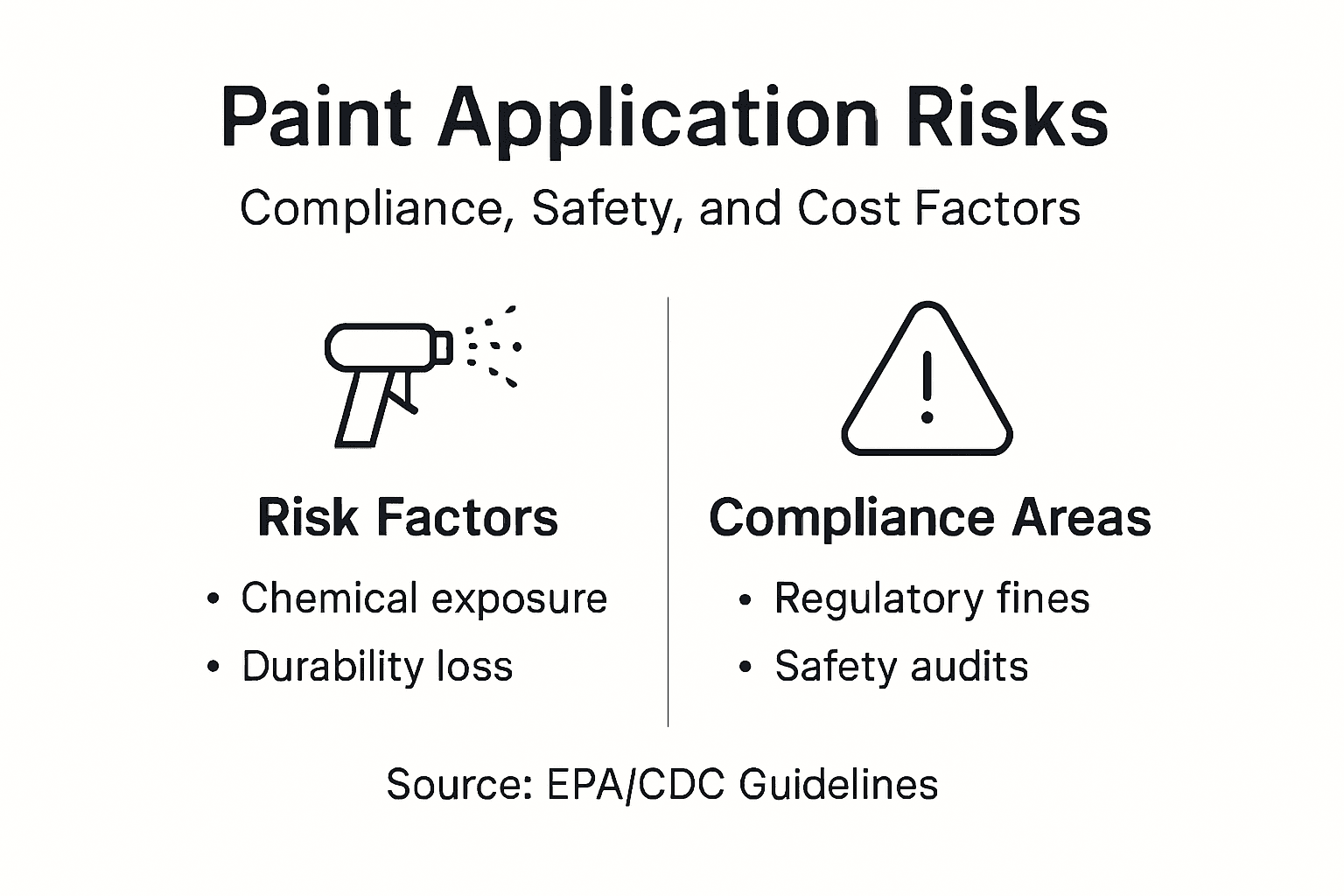
Firm certification requirements underscore the legal and financial complexities associated with industrial paint applications. These regulations create significant operational challenges, requiring substantial investments in training, documentation, and safety infrastructure.
Key risk and compliance factors include:
- Mandatory worker safety training programs
- Comprehensive chemical exposure monitoring
- Detailed documentation of application procedures
- Environmental impact assessments
- Personal protective equipment (PPE) standards
- Waste disposal and hazardous material management
- Regular equipment calibration and maintenance
- Periodic safety and compliance audits
Chemical hazard management represents a critical component of industrial paint application, with strict protocols designed to minimize worker exposure and potential long-term health risks. These regulations create additional layers of complexity and cost for organizations seeking to maintain compliance.
The financial implications of industrial paint application extend beyond direct material and labor costs, encompassing comprehensive risk mitigation strategies, ongoing training, certification maintenance, and potential liability management. Organizations must develop holistic approaches that balance performance requirements with regulatory compliance and worker safety.
To help visualize risk and compliance requirements, consider this overview of core components in industrial paint application:
| Compliance Factor | Purpose | Business Impact |
|---|---|---|
| Worker Safety Training | Prevent workplace injuries | Reduces liability, boosts morale |
| Chemical Exposure Monitoring | Detect hazardous fume levels | Ensures regulatory compliance |
| Documentation & Reporting | Track procedures and incidents | Avoids fines, supports insurance |
| PPE Standards | Mandate gloves, masks, suits | Protects health, maintains safety |
| Environmental Impact Assessment | Evaluate ecological risks | Prevents contamination penalties |
| Certification Maintenance | Confirm updated credentials | Enables project eligibility |
Pro tip: Develop a comprehensive compliance tracking system that integrates safety training, equipment maintenance, and regulatory documentation to streamline industrial paint application processes.
Ensure Lasting Infrastructure Protection with Expert Industrial Painting Services
When your critical infrastructure demands the highest levels of durability and corrosion resistance, choosing the right industrial-grade paint and application process is vital. Southern Sandblasting & Painting LLC addresses key challenges highlighted in the article such as chemical resistance, mechanical wear, and regulatory compliance with over 20 years of trusted experience. Our specialized Industrial Painting solutions combine expert surface preparation with advanced coating technologies designed to extend asset lifespans and maintain structural integrity.

Don’t risk costly repairs or regulatory setbacks. Partner with a proven team in Central Florida that prioritizes safety, precision, and quality. Learn how our integrated Sandblasting & Painting services can protect your municipal, commercial, or government facilities today. Visit Southern Sandblasting & Painting LLC for more information and to request a consultation tailored to your industrial coating needs.
Frequently Asked Questions
What is industrial-grade paint?
Industrial-grade paint is a specialized protective coating designed to withstand extreme environmental conditions and mechanical stress, providing superior durability and performance for critical infrastructure applications.
What are the key characteristics of industrial-grade paint?
Key characteristics include superior adhesion to various substrates, resistance to temperature fluctuations, chemical and UV resistance, exceptional durability under mechanical stress, and an extended lifespan compared to standard paints.
How do I choose the right type of industrial coating technology?
Choosing the right industrial coating technology depends on factors such as substrate material, environmental conditions, mechanical stress expectations, and desired performance characteristics. Comprehensive evaluation is key to ensuring optimal protection.
What safety considerations are important when applying industrial-grade paint?
Important safety considerations include compliance with worker safety training programs, chemical exposure monitoring, PPE standards, and adherence to regulations related to waste disposal and hazardous materials management.
Recommended
- Role of Coatings in Longevity – Extending Asset Lifespans
- Why Industrial Coatings Matter for Florida Infrastructure
- Protective Coating Trends 2025: Innovations for Infrastructure
- 7 Key Protective Coating Advantages for Facility Managers
- Insurance-Approved Locks: Security and Compliance Explained
- Sandblasting Contractor Baldwin Park FL
- Sandblasting Services Oviedo FL


