
Every municipal infrastructure manager in Central Florida knows the challenge of keeping assets ready for tomorrow while meeting the strict standards coming in 2025. The push for sustainable maintenance means balancing limited budgets, environmental risks, and regulatory compliance. This guide helps you use consistent condition rating scales and advanced cleaning and coating methods, so your city’s assets stay strong, compliant, and future-ready.
Table of Contents
- Step 1: Assess Asset Condition And Compliance Needs
- Step 2: Prepare Surfaces With Advanced Cleaning Methods
- Step 3: Apply Industrial-Grade Coatings For Protection
- Step 4: Verify Quality And Ensure Regulatory Compliance
Quick Summary
| Essential Insight | Explanation |
|---|---|
| 1. Conduct Thorough Asset Inspections | Perform detailed physical inspections using consistent rating scales to assess the condition and compliance of infrastructure assets. |
| 2. Implement Effective Cleaning Techniques | Use a two-stage cleaning approach to prepare surfaces, ensuring contaminants are removed for optimal coating adhesion and durability. |
| 3. Choose Appropriate Coating Systems | Select industrial-grade coatings suitable for Florida’s climate by matching them to environmental exposure and asset requirements. |
| 4. Verify Coating Quality and Compliance | Establish a documented inspection procedure to ensure proper coating thickness, adhesion, and adherence to environmental regulations. |
| 5. Maintain Comprehensive Documentation | Keep organized records of inspections, test results, and compliance measures to support future maintenance and protect against liability. |
Step 1: Assess Asset Condition and Compliance Needs
You’re about to gather critical information that shapes every maintenance decision ahead. This assessment determines whether your infrastructure assets need preventive care, urgent repairs, or replacement.
Start by conducting a physical inspection of each asset. Walk the property, document what you see, and classify the condition using a straightforward rating scale. Many municipalities use numeric scales (1-5) or alphabetical grades (A-E) that represent physical state clearly.
Use consistent condition rating scales across all assets to ensure fair, comparable data. Record observations about:
- Visible rust, corrosion, or paint failure
- Cracks, spalling, or structural damage
- Water damage or deterioration patterns
- Functional performance issues
- Age and maintenance history
Next, cross-reference your condition findings with regulatory requirements specific to 2025 compliance standards. Florida’s environmental and infrastructure codes demand specific coating systems, inspection frequencies, and documentation. Your asset’s condition rating directly affects which treatment solutions apply.
Gather operational data on how each asset performs under current conditions. Does the water tank maintain pressure correctly? Are highway signs visible in heavy rain? Does the bridge coating show adhesion failures? Condition-based assessment integrates performance data with physical inspection to predict future deterioration accurately.
Document everything systematically. Create a simple spreadsheet listing each asset, its current condition rating, specific defects noted, compliance gaps, and recommended treatment priority. This inventory becomes your roadmap for treatment planning and budget allocation.
Here’s a quick reference comparing common asset condition rating approaches:
| Rating Scale | Scale Format | Typical Use Case | Data Consistency Benefit |
|---|---|---|---|
| Numeric (1-5) | Numbers only | Bridges, tanks, pipes | Easy statistical analysis |
| Alphabetical (A-E) | Letters only | Signs, buildings | Clear for visual reporting |
| Color-coded | Colors assigned | Parks, playgrounds | Immediate visual distinction |
| Descriptive labels | Terms like ‘Excellent’ | Historic or unique assets | Straightforward communication |
These scales help standardize asset reporting for fair comparison and budgeting.
Your assessment today prevents costly emergency repairs tomorrow. Accurate condition data saves money and extends asset life significantly.
Pro tip: Take photographs during your inspection from the same angle and distance for each asset type. Future assessments become faster and more consistent when you have a visual baseline to compare.
Step 2: Prepare Surfaces with Advanced Cleaning Methods
Clean surfaces are the foundation of lasting protection. Without proper cleaning, coatings fail prematurely, rust creeps back, and your investment deteriorates faster than expected.
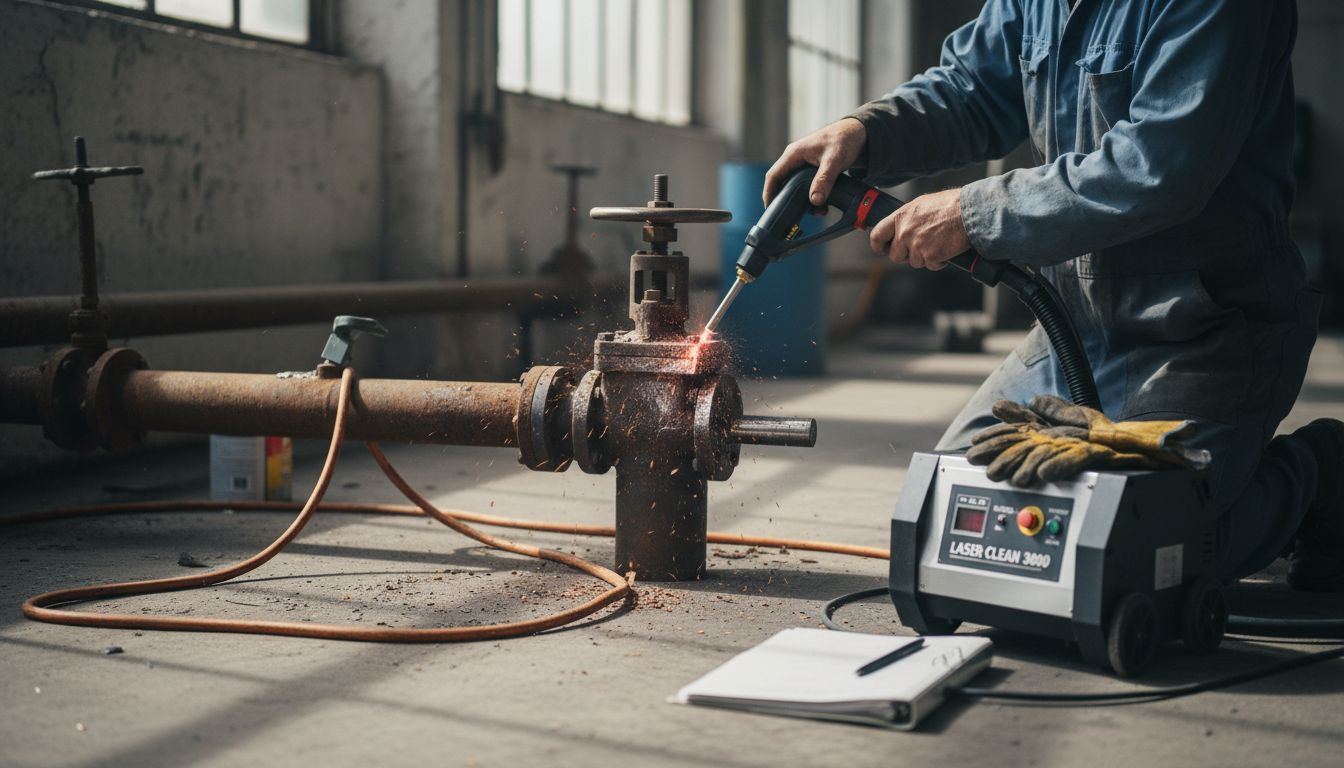
Begin with a two-stage cleaning approach. First, remove visible dirt, debris, and loose material using pressure washing or manual scrubbing with soap and water. This initial stage eliminates surface contaminants that prevent deeper cleaning methods from working effectively.
Next, apply targeted cleaning based on your asset type and contamination level. For most infrastructure in Central Florida, this means:
- High-pressure water cleaning to remove remaining residues
- Chemical degreasing for oil and grease buildup
- Rust removal through grinding, sanding, or abrasive methods
- Mold and algae treatment for humidity-prone surfaces
Consider advanced cleaning methods for precision results on sensitive areas. Laser cleaning technologies offer non-contact surface treatment that removes contaminants without damaging substrate materials. This method works particularly well on delicate equipment, heritage structures, or areas where traditional abrasive methods might cause harm.
For standard municipal assets, proper surface cleaning and sanitizing procedures ensure chemical safety and effectiveness. Allow sufficient dwell time for cleaning agents to break down contaminants before rinsing. Verify all chemicals are environmentally appropriate for Florida regulations and won’t interfere with your coating system.
Inspect thoroughly after cleaning. The surface should feel clean to the touch, with no visible residue, loose material, or discoloration. Any remaining contamination compromises coating adhesion and durability.
To help select the best cleaning method, here’s a summary of technologies and their strengths:
| Cleaning Method | Ideal Asset Type | Precision Level | Impact on Substrate |
|---|---|---|---|
| Pressure Washing | Roads, tanks | Moderate | Low, safe for most surfaces |
| Chemical Degreasing | Pipes, equipment | High | Medium, potential residue risk |
| Abrasive Removal | Rusted metal | Low | Can remove surface material |
| Laser Cleaning | Sensitive, historic assets | Very High | Minimal, preserves substrate |
Choose your cleaning method by aligning asset needs with environmental and substrate considerations.
A properly cleaned surface accepts coatings evenly, maximizing protection and extending asset lifespan by years.
Pro tip: Schedule your cleaning and coating application within 72 hours of final surface prep whenever possible. This prevents dust, moisture, and oxidation from compromising the adhesion your coating system depends on.
Step 3: Apply Industrial-Grade Coatings for Protection
This is where protection becomes reality. Proper coating application transforms your cleaned, prepped surface into a durable barrier against rust, corrosion, and environmental damage.
Start by selecting the right coating system for your specific asset and Florida climate conditions. Municipal infrastructure in Central Florida faces salt spray, humidity, UV exposure, and temperature fluctuations that demand robust protection. Industrial coating materials vary significantly in composition, adhesion properties, and environmental resistance, so match your choice to the asset’s exposure level and functional requirements.
Prepare your application environment carefully. Temperature, humidity, and surface moisture directly affect coating curing and adhesion. Most industrial coatings require specific application conditions:
- Temperature range between 50°F and 85°F
- Relative humidity below 85 percent
- No rain or moisture for 24 to 48 hours after application
- Adequate ventilation for solvent release
Apply coatings using the recommended method for your system. Spray application works best for large infrastructure like bridges and water tanks, while brush or roller application suits smaller or detailed areas. Follow manufacturer specifications for film thickness, typically measured in dry mils (thousandths of an inch). Insufficient thickness compromises protection, while excessive thickness causes cracking and peeling.
For concrete infrastructure and bridge components, structural concrete coatings provide critical protection against corrosion, moisture intrusion, and physical damage. These systems extend asset service life significantly when applied correctly over properly prepared surfaces.
Apply coatings in thin, even layers rather than one thick coat. Multiple passes ensure uniform coverage, better adhesion, and superior durability. Allow proper cure time between coats as specified by your coating manufacturer. Rushing this process weakens the protective system.
A well-applied coating system is your most cost-effective insurance against infrastructure failure and costly emergency repairs.
Pro tip: Monitor weather forecasts closely before and after application. A sudden temperature drop or unexpected rain within the first 48 hours can compromise your entire coating system, so timing matters as much as technique.
Step 4: Verify Quality and Ensure Regulatory Compliance
Quality verification and regulatory compliance are not afterthoughts. They’re essential components that protect your municipality from liability, ensure asset longevity, and demonstrate responsible stewardship of public infrastructure.
Begin by establishing documented inspection protocols before work starts. Your verification process should include visual inspections, coating thickness measurements, adhesion testing, and photographic documentation of each phase. This creates a clear record of work performed and validates compliance with specifications.
Measure coating thickness using electronic dry film thickness gauges to verify proper application. Most municipal coatings require 2 to 4 mils total dry film thickness, depending on the system. Record measurements at multiple locations on each asset and document any areas falling below specification.
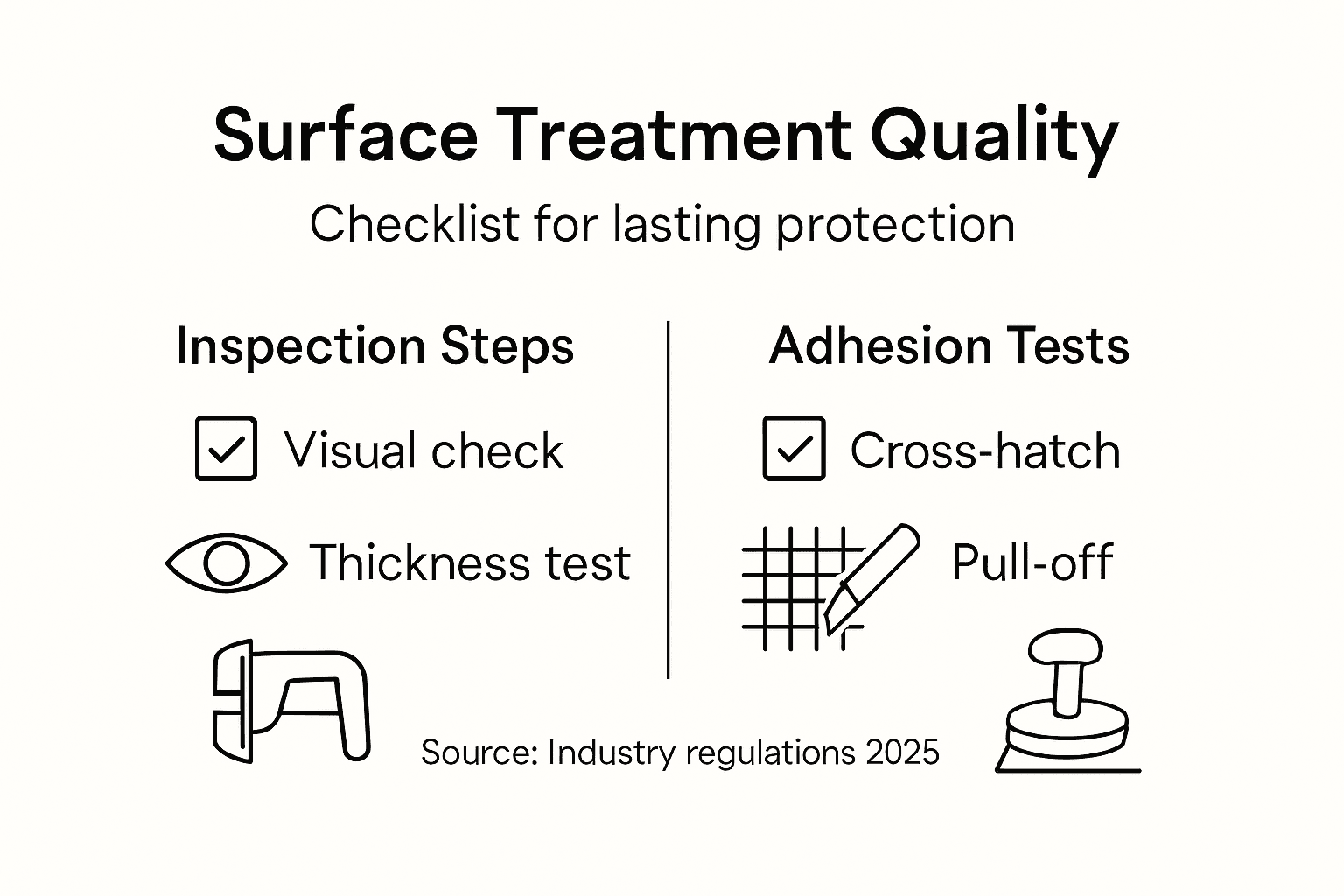
Conduct adhesion testing through cross-hatch or pull-off methods. These tests confirm the coating bonds properly to the substrate, ensuring long-term protection. Poor adhesion indicates surface preparation issues, environmental contamination during application, or coating incompatibility.
Verify environmental compliance standards applicable to your project. Florida’s Department of Environmental Protection regulations govern emissions, waste handling, and disposal during surface treatment. Environmental compliance requires proactive verification strategies that document adherence to pollution control measures and surface treatment standards.
Key compliance checkpoints include:
- Proper waste containment and disposal following EPA guidelines
- Chemical inventory records and safety data sheets accessible on site
- Worker safety documentation and personal protective equipment compliance
- Before and after photographs showing work quality
- Coating product certifications and batch numbers
Maintain comprehensive documentation throughout the project. Store inspection reports, test results, photographs, material certifications, and inspection logs in an organized system. This documentation proves regulatory compliance if audited and supports future maintenance decisions.
Thorough quality verification today prevents expensive compliance violations and protects your infrastructure investment for decades.
Pro tip: Schedule third-party independent inspections during application, not just at project completion. An outside inspector catches issues early when corrections are still possible and significantly less costly than discovering problems after the project concludes.
Protect Your Infrastructure with Expert Surface Treatment Solutions
The challenge of achieving lasting protection for your critical infrastructure requires precise surface preparation and high-quality coatings. If you are facing issues like corrosion, poor coating adhesion, or regulatory compliance hurdles, it is essential to partner with a reliable expert familiar with Central Florida’s unique environmental demands. The article outlined key steps such as thorough asset condition assessment, advanced cleaning methods, industrial-grade coating application, and strict quality verification that directly impact the success and longevity of your surface treatment projects.
Southern Sandblasting & Painting LLC brings over 20 years of proven experience in delivering tailored solutions that overcome these very challenges. Whether you need professional sandblasting to remove rust and contaminants or durable protective finishes through industrial painting services, our team ensures your assets meet 2025 compliance standards and stand resilient against Florida’s climate.
Don’t risk costly repairs due to inadequate surface treatment or poor-quality coatings. Take action now to secure long-term protection by consulting with our specialists who understand the critical details of asset condition, surface prep, and compliant coatings. Visit Southern Sandblasting & Painting LLC today and discover how our comprehensive sandblasting & painting services can extend the life of your infrastructure while saving you money and downtime.
Frequently Asked Questions
What should I check during the asset condition assessment?
Begin by conducting a physical inspection of each asset. Document visible issues such as rust, cracks, and performance problems using a clear rating scale to prioritize necessary maintenance.
How do I prepare surfaces before applying coatings?
Clean surfaces thoroughly using a two-stage approach, starting with pressure washing to remove debris. Follow up with targeted cleaning methods based on the asset type, ensuring a contamination-free surface for optimal coating adhesion.
What factors should I consider when selecting an industrial-grade coating?
Select coatings based on the specific asset and environmental conditions, such as humidity and UV exposure. Ensure the coating meets the operational requirements and provides robust protection against the local climate.
How can I verify the quality of the coating application?
Verify quality through visual inspections and thickness measurements. Perform adhesion tests to ensure coatings bond properly, and document all findings to maintain compliance and track asset performance.
What are the key compliance standards for surface treatment in 2025?
Familiarize yourself with local environmental regulations governing emissions and waste handling during surface treatment. Ensure all protocols and documentation align with these standards to avoid compliance violations.


