
TL;DR:
- Airport surface treatment involves inspecting, preparing, and applying protective materials to extend pavement life and ensure safety. Proper planning includes regulatory compliance, thorough site inspection, and surface cleaning before treatment application to prevent failures. Documentation, condition-based scheduling, and rapid curing materials are essential for cost-effective, long-lasting pavement maintenance.
Airport surface treatment, known formally as airfield pavement preservation, is the structured process of inspecting, preparing, and applying protective materials to runway and taxiway surfaces to extend service life and maintain operational safety. This airport surface treatment tutorial covers every phase of that process, from pre-work inspection using PCI distress surveys and FAA AC 150/5380-6 standards to material selection, application sequencing, curing verification, and lifecycle documentation. Professionals who follow this structured approach consistently achieve longer pavement service intervals, lower lifecycle costs, and fewer unplanned operational closures.
What prerequisites and tools do you need before airport surface treatments?
Preparation determines whether a treatment succeeds or fails within the first season. Before any material touches the pavement, you need three categories of readiness: regulatory compliance, physical inspection data, and site conditions.
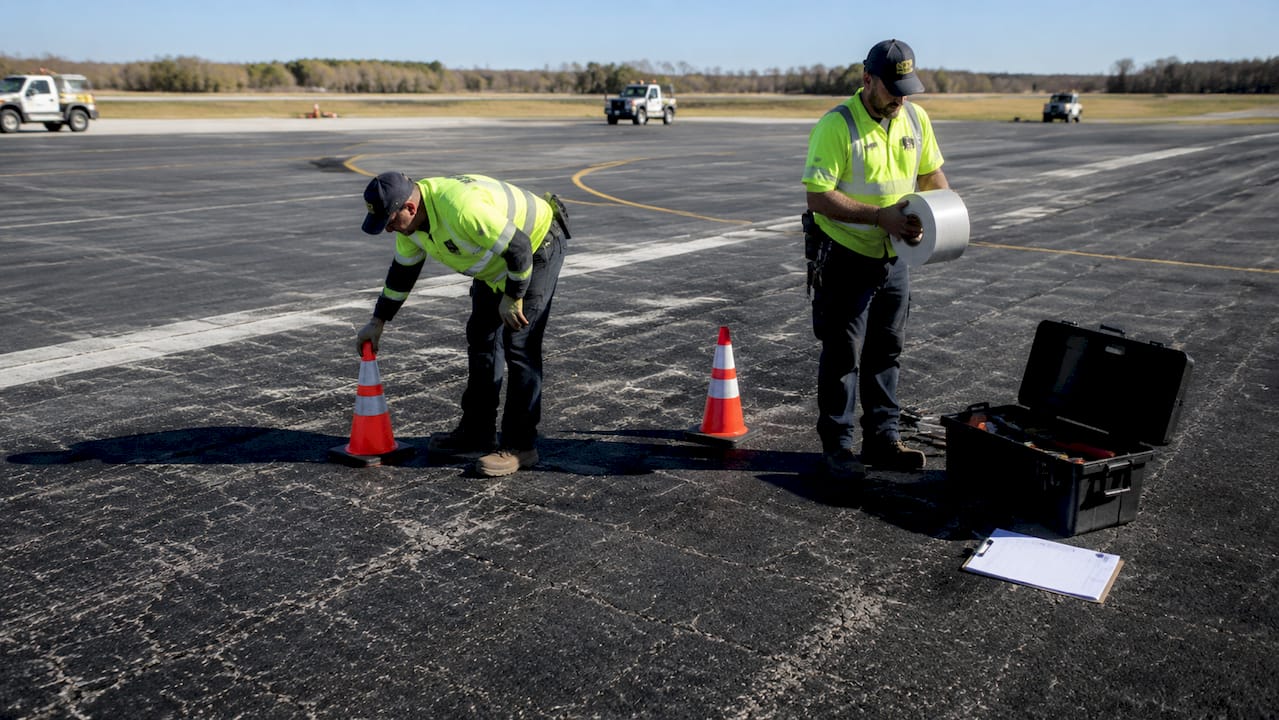
Regulatory requirements start with FAA Advisory Circular 150/5380-6, which mandates detailed annual pavement inspections with monthly drive-by checks. That cadence can extend to three years when a documented PCI history supports the extension. Skipping this step does not just create compliance risk. It removes the baseline data you need to select the right treatment.
Inspection tools every crew should have on site:
- PCI distress survey kits with standardized distress identification manuals
- Friction testers such as the Mu-Meter or CFME devices calibrated to ICAO and FAA minimums
- Crack gauges for measuring width and depth at distress locations
- Profilometers or straightedges for surface regularity checks
- Thermometers and moisture meters for ambient and substrate conditions
Site preparation thresholds matter as much as the tools. Surface contamination, including rubber deposits, oil, fuel residue, and loose aggregate, must be removed before any treatment. Contamination above threshold levels prevents proper bonding and voids manufacturer warranties.
| Condition Factor | Acceptable Threshold | Action if Exceeded |
|---|---|---|
| Surface moisture | Dry or surface-dry | Delay treatment |
| Ambient temperature | Above 50°F (10°C) | Reschedule |
| Wind speed | Below 15 mph | Monitor and reassess |
| Rubber contamination | Visually clean surface | High-pressure wash or blast |
| Crack width | Measured and logged | Seal before coating |
Pro Tip: Schedule detailed inspections during low-traffic windows, typically overnight or during seasonal lulls, so crews can access the full pavement surface without disrupting operations.
Operational continuity planning is non-negotiable. Coordinate with airport operations to identify phased work zones, establish temporary markings, and confirm NOTAM requirements before mobilizing equipment.
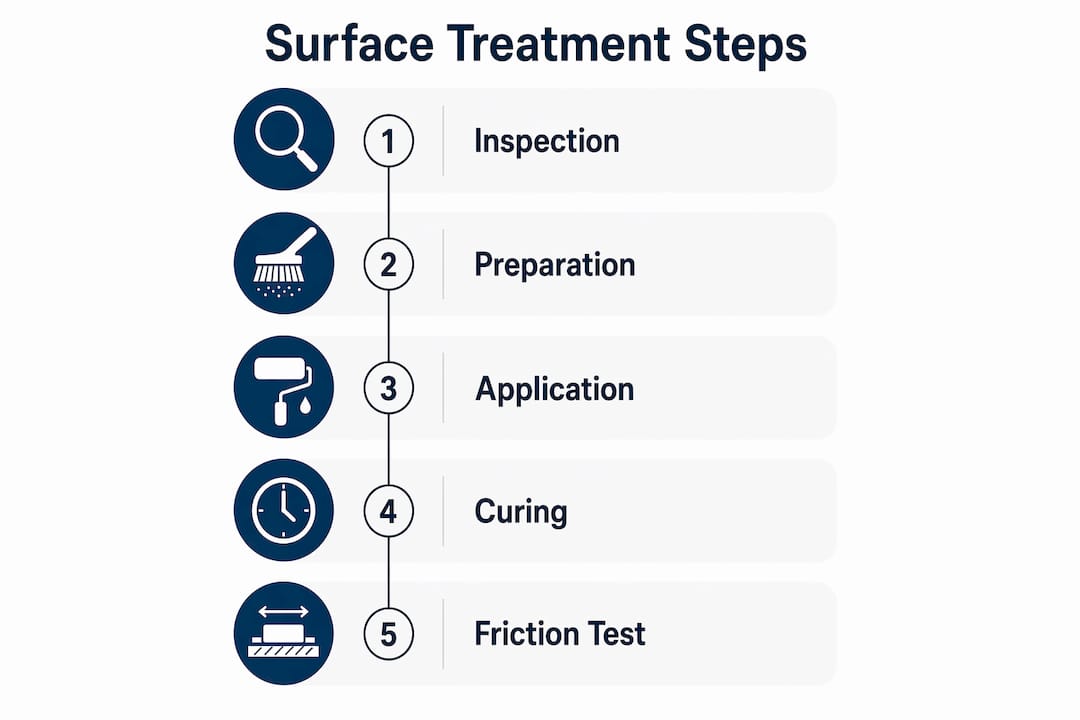
How to perform a step-by-step airport surface treatment process
The formal industry term for this workflow is airfield pavement preservation sequencing. The steps below reflect best practices for runway preservation validated across commercial and general aviation facilities.
-
Surface cleaning. Remove all loose debris, rubber deposits, and contamination using high-pressure water blasting, mechanical sweeping, or abrasive blasting. Southernsandblastingandpainting uses industrial-grade blasting equipment to achieve the clean, profiled surface that coatings and sealers require. Confirm the surface is free of standing water and meets the moisture threshold before proceeding.
-
Crack sealing. Address all cracks before applying any surface treatment. The NAPA/FAA 2026 best-practice manual defines a severity-based approach: minor cracking receives routed and sealed treatment to block water intrusion, moderate cracking requires repair before sealing, and severe cracking demands full-depth patching. Sealing cracks first prevents water from undermining the new treatment layer from below.
-
Patching and repair. Fill spalled areas, potholes, and failed sections with compatible patching material. For rapid turnaround, products like Cretecal NanoRepair deliver 14 MPa compressive strength in 4 hours, with runway reopening demonstrated at 6 hours post-application. That speed matters when maintenance windows are measured in hours, not days.
-
Primer or tack coat application. Apply a bonding agent or tack coat to the prepared surface. This step is mandatory for slurry seals, microsurfacing, and overlay systems. Follow manufacturer coverage rates precisely. Under-application causes delamination; over-application traps solvents.
-
Surface treatment application. Select the treatment type based on PCI score and distress severity. Seal coats suit surfaces with PCI scores in the 70–85 range. Microsurfacing fits moderate distress in the 55–70 range. Overlays become necessary when PCI drops below 55, triggering capital planning per FAA guidelines.
-
Joint treatment. Apply longitudinal joint sealing as a separate step. Severity-based joint treatments prevent water intrusion and premature degradation when applied at the first sign of cracking. For innovative membrane options like VRAM, confirm FAA approval before placement.
-
Curing and verification. Allow full curing per product specifications. Verify surface friction using calibrated testers before reopening. Document friction values, curing times, and ambient conditions in the project record.
| Treatment Type | Ideal PCI Range | Typical Curing Time | Primary Benefit |
|---|---|---|---|
| Crack sealing | 70–100 | 1–2 hours | Prevents water intrusion |
| Seal coat | 70–85 | 4–8 hours | Surface protection |
| Microsurfacing | 55–70 | 2–4 hours | Friction restoration |
| Overlay | 40–55 | 12–24 hours | Structural improvement |
| Full reconstruction | Below 40 | 48+ hours | Complete renewal |
Pro Tip: Always verify post-treatment friction values against FAA and ICAO minimums before issuing a NOTAM to reopen. A treatment that looks complete but fails friction testing is not complete.
What are common challenges during airport surface treatment?
Even well-planned treatments encounter field conditions that require fast, informed decisions. Knowing the most common failure points before you mobilize prevents costly rework.
Weather and curing window constraints are the top cause of treatment failures. Applying seal coats or microsurfacing when temperatures drop below 50°F or when rain is forecast within the curing window causes adhesion failure. Climate factors in surface groundworks directly affect curing chemistry, bond strength, and long-term durability. Build a weather contingency into every project schedule.
Irregular joint and crack conditions create application challenges. Joints that have been previously sealed with incompatible materials require full removal before resealing. Applying new sealant over old, failed material traps moisture and accelerates the failure cycle.
Friction deficiencies and rubber build-up at touchdown zones require targeted intervention. Friction monitoring and rubber removal are not optional maintenance items. Friction levels that fall below regulatory minimums trigger operational restrictions. Proactive removal before thresholds are reached keeps runways open and avoids emergency closures.
FAA approval for non-standard materials is a common documentation pitfall. VRAM beneath longitudinal joints is classified as a non-standard material requiring a Method of Statement (MOS) request with full engineering justification. Applying it without approval creates compliance exposure regardless of the material’s performance.
Condition-based triggers and documented approval chains are not bureaucratic overhead. They are the difference between a treatment that holds up under FAA audit and one that creates liability.
Pro Tip: Keep a pre-mobilization checklist that includes weather forecast confirmation, material approval status, and friction baseline readings. Catching a compliance gap before the crew arrives saves far more time than catching it during application.
How to integrate surface treatment into a pavement maintenance program
Effective airport pavement maintenance is condition-triggered, not calendar-driven. Treatments applied at the right PCI threshold cost a fraction of what deferred maintenance demands later.
The cost case for preventive treatment is clear. Overlay costs run 3–5 times higher when PCI drops below 40 compared to preventive treatments applied at PCI 70 or above. That multiplier makes early intervention the financially defensible choice in every lifecycle model.
Inspection cadence drives treatment timing. A structured program uses four levels of assessment:
- Daily: FOD checks and visual surface scans by operations staff
- Monthly: Drive-by condition monitoring per FAA AC 150/5380-6 requirements
- Quarterly: Friction testing at touchdown zones and high-wear areas
- Annual: Full PCI distress survey with zone-by-zone documentation
Distress mapping and documentation convert inspection data into treatment schedules. Map each distress type, location, and severity in a pavement management system. This record supports FAA compliance, budget justification, and treatment sequencing decisions. Phased rehabilitation plans aligned with traffic patterns help airports maintain service during upgrades while meeting curing and strength requirements.
Lifecycle planning should address every treatment tier across a 20-year horizon:
| Pavement Age | Typical PCI Range | Recommended Treatment |
|---|---|---|
| 0–5 years | 85–100 | Preventive crack sealing |
| 5–10 years | 70–85 | Seal coat or microsurfacing |
| 10–15 years | 55–70 | Overlay or mill and fill |
| 15–20 years | 40–55 | Structural overlay |
| 20+ years | Below 40 | Reconstruction planning |
Friction monitoring feeds directly into this schedule. Proactive friction management triggers rubber removal and surface treatments before operational restrictions become necessary. Airports that integrate friction data with PCI scores make better treatment decisions and spend less per square yard over the asset’s life.
Key takeaways
Effective airport surface treatment depends on condition-based inspection data, proper surface preparation, and treatment selection matched to PCI thresholds, applied within FAA-compliant documentation frameworks.
| Point | Details |
|---|---|
| Inspect before treating | Use PCI surveys and friction testing to select the right treatment type and timing. |
| Prepare the surface completely | Remove contamination, seal cracks, and patch failures before applying any surface treatment. |
| Match treatment to PCI score | Seal coats fit PCI 70–85; overlays become necessary when PCI falls below 55. |
| Document every step | FAA compliance and future treatment decisions both depend on detailed, accurate project records. |
| Act early to control costs | Preventive treatments at high PCI scores cost 3–5 times less than reconstruction after deterioration. |
What i’ve learned after 20 years of airport surface work
The most persistent mistake I see in airport pavement programs is treating the maintenance schedule as the trigger instead of the condition data. Crews show up every five years because that is what the contract says, not because the PCI or friction readings are calling for intervention. That approach wastes budget on surfaces that do not need treatment yet and misses surfaces that are deteriorating faster than the schedule anticipated.
The second lesson is about documentation. Airports that maintain detailed distress maps and friction trend logs make better decisions. They can justify treatment budgets to administrators, satisfy FAA auditors, and catch deterioration patterns before they become capital emergencies. The airports that skip documentation are always the ones scrambling to explain a runway restriction.
Rapid curing materials have genuinely changed what is possible in tight maintenance windows. Seeing a product like Cretecal NanoRepair return a runway to service in six hours shifts the entire conversation about what can be accomplished overnight. The technology is real, and the results are documented.
My honest recommendation: build your maintenance program around condition triggers, invest in quality surface preparation, and never treat documentation as optional. The surface preparation tips that hold up in industrial coatings apply directly to airport pavements. Clean, profiled, dry surfaces are the foundation every treatment depends on.
— Southernsandblastingandpainting
Airport surface preparation services from Southernsandblastingandpainting
Southernsandblastingandpainting brings 20+ years of industrial surface preparation and protective coating experience to airport and aviation infrastructure projects across Central Florida. Our crews handle the demanding prep work that makes treatments last, including abrasive blasting to remove rubber deposits, failed coatings, and surface contamination from runway and taxiway surfaces.
When your pavement program calls for industrial-grade surface preparation, our sandblasting equipment and coating capabilities are built for the scale and compliance requirements of aviation infrastructure. We work with municipal clients, airport authorities, and contractors who need a reliable partner for surface prep on critical assets. Contact Southernsandblastingandpainting to discuss your next airport surface project and get a consultation from a team that understands the FAA compliance requirements and operational constraints you work within every day.
FAQ
What is the first step in an airport surface treatment?
The first step is a PCI distress survey and friction assessment to establish baseline pavement condition. This data determines which treatment type is appropriate and whether the surface is ready for preparation work.
How often does FAA require airport pavement inspections?
FAA Advisory Circular 150/5380-6 requires detailed annual inspections with monthly drive-by monitoring. Airports with documented PCI history may qualify for an extended inspection interval of up to three years.
When should a runway get an overlay instead of a seal coat?
An overlay is appropriate when PCI falls below 55, indicating structural distress that a surface seal cannot address. Seal coats are reserved for pavements with PCI scores in the 70–85 range showing surface-level deterioration only.
Does VRAM require FAA approval for airport use?
Yes. VRAM placed beneath longitudinal joints is a non-standard material under FAA guidelines and requires a Method of Statement request with full engineering justification before installation at any FAA-regulated airport.
How long before a runway can reopen after surface treatment?
Reopening time depends on the treatment type and product used. Rapid curing cementitious grouts like Cretecal NanoRepair have demonstrated runway reopening at 6 hours post-application, while conventional overlays typically require 12–24 hours minimum before traffic loading.


