

TL;DR:
- Public works coatings protect infrastructure assets from corrosion and extend their service life, reducing long-term costs. Proper application, including stripe coating and surface preparation, is crucial to prevent premature failures and ensure durability. Advanced coating systems like fluoropolymers and epoxy linings offer superior long-term performance, especially in wastewater environments.
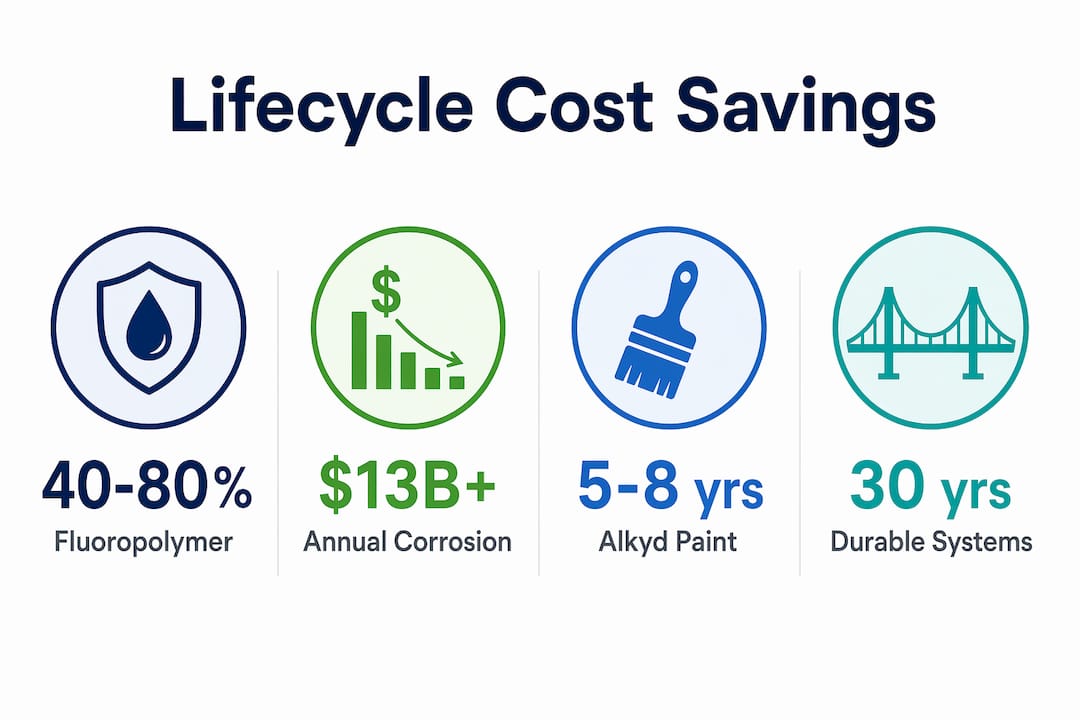
Public works coatings are specialized protective layers applied to infrastructure assets to prevent corrosion, extend service life, and lower total ownership costs. The industry term for this practice is “protective coating systems,” and understanding the role of public works coatings is non-negotiable for any infrastructure planner managing long-lived assets. Corrosion costs for U.S. highway bridges exceed $13 billion annually, a figure that reflects what happens when surface protection fails at scale. Standards from bodies like AASHTO and the Federal Highway Administration define how these systems are specified, applied, and maintained across bridges, water towers, pipelines, and municipal structures.
How do public works coatings protect infrastructure and reduce lifecycle costs?
Protective coatings work by creating a physical barrier between a substrate and its environment. That barrier blocks moisture, oxygen, and chemical contaminants from reaching the steel or concrete beneath. Without it, electrochemical corrosion begins within months of exposure, especially in humid or coastal climates like Central Florida.
The economic argument for quality coatings is clear. Fluoropolymer coating systems reduce lifecycle costs by 40–80% compared to traditional polyurethane systems, despite higher upfront costs. That gap exists because fluoropolymer systems resist UV degradation and chalking far longer, pushing recoat intervals out by decades rather than years.
Epoxy systems deliver a different value proposition. They bond tightly to prepared steel and concrete, resist chemical attack, and form the foundation of most multi-coat systems used on bridges and water infrastructure. When you pair an epoxy primer with a fluoropolymer topcoat, you get both adhesion and long-term weathering resistance in one system.
The true cost of coating failure often exceeds the original application cost many times over. Traffic disruption, emergency mobilization, and access equipment for elevated or confined structures all add up fast. Choosing a higher-performing system at bid time is almost always cheaper than managing an early failure.
| Coating system | Typical recoat interval | Lifecycle cost profile |
|---|---|---|
| Alkyd paint | 5–8 years | High frequency, moderate unit cost |
| Polyurethane topcoat | 10–15 years | Moderate frequency, moderate unit cost |
| Epoxy primer + polyurethane | 15–20 years | Lower frequency, good overall value |
| Fluoropolymer system | 25–40 years | Low frequency, highest initial cost, lowest lifecycle cost |
| Zinc epoxy with spot repairs | 25-year repair cycle | Best long-term sustainability for 100-year assets |
Pro Tip: When evaluating bids, ask contractors to provide a 30-year net present value calculation for each coating system. The system with the lowest upfront cost rarely wins that comparison.
What are the common types and systems used in public works projects?
Zinc-rich primers are the first line of defense in most steel bridge coating systems. They work through galvanic protection, meaning the zinc sacrifices itself to protect the steel beneath even if the coating is scratched or damaged. This makes them far more forgiving than organic primers in field conditions.
Epoxy intermediate coats build film thickness and chemical resistance. They seal the zinc primer and provide a solid base for the topcoat. Epoxy coatings also perform well in immersion service, which is why they dominate municipal infrastructure coating applications like water tanks and culverts.
AASHTO recommends duplex coating systems, which combine a metallic coating such as thermal spray zinc with a paint system applied over it. The synergistic effect extends service life beyond what either system would achieve alone. This is not additive math. The combined system outperforms the sum of its parts because the metallic layer provides galvanic protection while the paint layer blocks moisture ingress.
Fluoropolymer topcoats, including PVDF-based systems, resist UV radiation and chemical exposure better than any other organic coating category. They are the preferred choice for high-visibility structures where color retention matters alongside corrosion protection.
| Coating type | Primary mechanism | Typical application | Key strength |
|---|---|---|---|
| Zinc-rich primer | Galvanic protection | Steel bridges, pipelines | Damage tolerance |
| Epoxy intermediate | Barrier protection | Water tanks, culverts | Chemical resistance |
| Fluoropolymer topcoat | UV and weather resistance | Bridges, facades | Long recoat intervals |
| Thermal spray zinc | Galvanic + barrier | Duplex systems on bridges | Synergistic life extension |
| Coal tar epoxy | Immersion barrier | Submerged structures | Water impermeability |
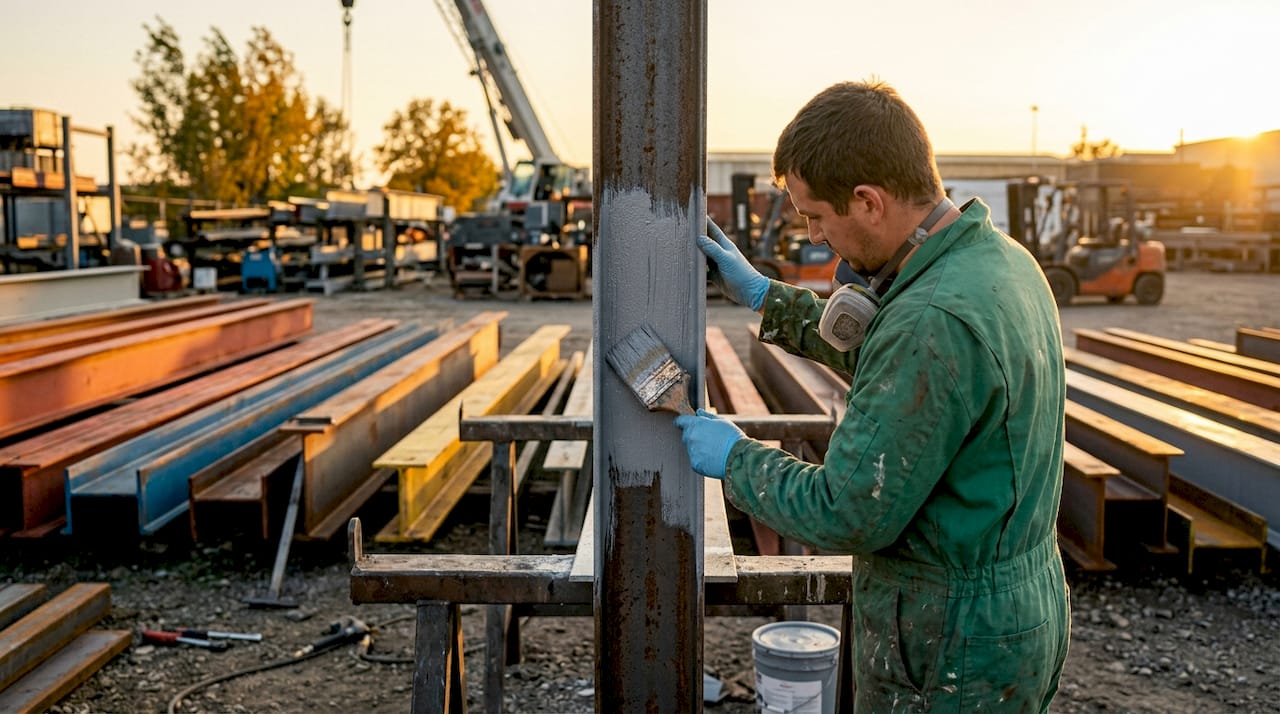
Stripe coating edges, welds, and crevices is the most overlooked step in coating application. Skipping it is the leading cause of premature coating failure on infrastructure projects. A brush-applied stripe coat on all edges and weld seams before the full spray application ensures film build where it matters most.
Pro Tip: Require stripe coating as a documented hold point in your project specification. If it is not in writing, it will not happen consistently on a large structure.
Surface preparation is equally non-negotiable. Rigorous hold points during surface preparation and coating application reduce premature failures by ensuring the substrate meets cleanliness and profile standards before any coating is applied. SSPC-SP 10 near-white blast cleaning is the standard for most structural steel in public works. Anything less compromises adhesion and shortens service life.
How do coating maintenance and inspection affect infrastructure longevity?
Maintenance is where most public works coating programs fail. A well-specified system applied correctly will still underperform if the maintenance schedule is ignored. The good news is that the maintenance burden for modern systems is manageable when planned from the start.
Zinc epoxy technologies with spot repairs every 25 years offer the best lifecycle cost performance for 100-year bridge lifespans. That interval is achievable only when annual visual inspections catch early failures before they spread. A small rust blister treated in year three costs a fraction of what a full zone recoat costs in year twelve.
Key maintenance practices for infrastructure planners:
- Annual visual inspection: Walk or access every surface to identify blistering, cracking, or rust breakthrough. Document with photographs and GPS coordinates.
- Spot repair protocol: Address any coating breakdown within one maintenance cycle. Delay compounds the damage exponentially.
- Access planning: Budget for scaffolding, aerial lifts, or confined-space equipment at the project design stage. Access costs are the biggest surprise in maintenance budgets.
- Recoat window tracking: Log the original application date and coating system for every structure. Set calendar reminders for the manufacturer’s recommended recoat interval.
- Hold point documentation: Retain all inspection records from the original application. They establish the baseline for future maintenance decisions.
The asset protection coatings guide from Southernsandblastingandpainting outlines how maintenance scheduling integrates with initial coating selection. Choosing a system without a maintenance plan is like buying a vehicle without budgeting for oil changes.
What role do specialized coatings play in wastewater and municipal infrastructure?
Wastewater infrastructure presents the harshest coating environment in public works. Hydrogen sulfide gas, microbial-induced corrosion, and constant moisture create conditions that destroy standard coatings within years. The consequences of failure are severe: structural collapse, sewage release, and costly emergency excavation.
Modern epoxy manhole rehabilitation systems extend asset service life by 50+ years without excavation. That is a transformative number for municipal asset managers facing aging sewer infrastructure and constrained capital budgets. Spray-applied epoxy liners restore structural integrity and chemical resistance in a single mobilization.
Selection criteria for wastewater coatings differ from above-ground applications:
- Permeability: Permeability and water vapor transmission are the critical performance factors. A coating that allows vapor transmission will trap moisture beneath the film and accelerate acid-driven microbial corrosion from the substrate side.
- Chemical resistance: The coating must resist sulfuric acid generated by Thiobacillus bacteria, which is the primary driver of concrete corrosion in sewer systems.
- Film thickness: Minimum 125 mils of cured epoxy is typical for structural rehabilitation of manholes. Thinner applications provide chemical resistance but not structural contribution.
- Surface preparation: Hydroblasting to SSPC-SP 12 WJ-2 is standard before epoxy application in wastewater environments. Contamination from grease or biofilm will cause adhesion failure regardless of coating quality.
Municipal asset management programs that integrate coating selection with inspection schedules and replacement planning consistently outperform reactive maintenance approaches. The coating is not a one-time fix. It is a managed asset with its own lifecycle.
Key Takeaways
Public works coatings are the most cost-effective tool infrastructure planners have for extending asset life, controlling corrosion, and reducing total ownership costs across bridges, water systems, and wastewater infrastructure.
| Point | Details |
|---|---|
| Corrosion costs are massive | U.S. bridge corrosion exceeds $13 billion annually, making protective coatings a financial necessity. |
| Fluoropolymer systems save money long-term | Despite higher upfront costs, fluoropolymer systems cut lifecycle costs by 40–80% versus polyurethane. |
| Duplex systems multiply service life | AASHTO-recommended duplex systems outperform either metallic or paint coatings applied alone. |
| Stripe coating prevents early failure | Skipping stripe coating on edges and welds is the leading cause of premature coating failure. |
| Wastewater coatings need permeability control | Low-permeability epoxy systems are required to stop microbial corrosion in sewer infrastructure. |
What I’ve learned from 20+ years of public works coating projects
The biggest mistake I see infrastructure planners make is treating the coating specification as a line item to cut rather than a lifecycle investment to protect. A project that saves $50,000 at bid by specifying a shorter-life system will spend $300,000 more over 20 years in recoats, traffic control, and emergency repairs. The math is not close.
Hold points are where quality lives or dies. I have seen beautiful coating specifications fail because no one enforced the surface preparation sign-off before coating began. Moisture on the substrate, inadequate blast profile, or missed stripe coating on welds will shorten a 25-year system to 8 years. The specification is only as good as the inspection behind it.
Access planning is the hidden cost that surprises every first-time infrastructure coating manager. Budgeting for the coating material and labor without accounting for scaffolding, lane closures, or confined-space permits is a planning failure. The coating inspections guide addresses this directly and is worth reviewing before any project goes to bid.
My practical recommendation: require a lifecycle cost analysis from every coating contractor at bid time, enforce hold points with documented sign-offs, and never approve a wastewater coating without reviewing its permeability data sheet. These three steps will save your agency more money than any other procurement practice.
— Results
Southernsandblastingandpainting: your partner for public works coating projects
Southernsandblastingandpainting brings 20+ years of experience to surface preparation and protective coating applications for public infrastructure across Central Florida. The team handles everything from abrasive blasting on steel bridges and water towers to full epoxy lining systems for municipal wastewater structures.
Whether you are managing a bridge recoat, a water tank rehabilitation, or a municipal sewer system upgrade, Southern Sandblasting and Painting delivers the surface preparation quality and coating application precision that public works projects demand. Explore the full range of sandblasting and painting services or review the industrial coating types guide to identify the right system for your next project. Contact the team directly to discuss specifications, timelines, and compliance requirements for your infrastructure program.
FAQ
What is the role of public works coatings?
Public works coatings protect infrastructure assets from corrosion, moisture, and chemical attack, extending service life and reducing total maintenance costs. They are applied to bridges, water towers, pipelines, and wastewater structures following standards set by bodies like AASHTO and the Federal Highway Administration.
How much does corrosion cost U.S. infrastructure annually?
Corrosion-related costs for U.S. highway bridges alone exceed $13 billion annually. Protective coating systems are the primary tool for controlling that cost across the national bridge inventory.
What coating system offers the best lifecycle value?
Fluoropolymer coating systems reduce lifecycle costs by 40–80% compared to traditional polyurethane systems over a 30-year horizon. Zinc epoxy systems with scheduled spot repairs every 25 years are the preferred choice for 100-year bridge lifespans.
Why is stripe coating so important in infrastructure projects?
Stripe coating edges, welds, and crevices before full spray application is the step most often skipped on infrastructure projects. Skipping it is the leading cause of premature coating failure because film build is lowest at edges and corners where corrosion starts first.
What makes wastewater coatings different from standard infrastructure coatings?
Wastewater coatings must resist microbial-induced corrosion from hydrogen sulfide and sulfuric acid, which standard coatings cannot handle. Low-permeability epoxy systems are required, and modern spray-applied epoxy rehabilitation can extend manhole and sewer asset life by 50+ years without excavation.
Recommended
- Surface Coating Examples for Infrastructure Projects
- City infrastructure coating guide: protect assets for longevity
- Municipal infrastructure coating explained for durability
- Role of Protective Coatings in Critical Infrastructure
- Sandblasting Contractor Baldwin Park FL
- Sandblasting Services Oviedo FL


