
Each year, more than 2,200 American workers experience serious injuries related to industrial painting accidents. For municipal infrastructure managers throughout Central Florida, this reality underscores the urgent need to implement effective safety protocols when overseeing large-scale surface coating projects. Adopting rigorous, up-to-date guidelines not only protects crews and the public, but also helps reduce costly liability risk, ensuring that projects are completed efficiently and in full compliance with federal and Florida regulations.
Table of Contents
- Defining Industrial Painting Safety Protocols
- OSHA and Florida Safety Compliance Requirements
- Critical PPE and Equipment for Painting Crews
- Safe Worksite Practices and Hazard Controls
- Risk Management and Common Liability Issues
Key Takeaways
| Point | Details |
|---|---|
| Comprehensive Safety Protocols | Industrial painting safety protocols are essential for managing risks and ensuring worker protection, emphasizing PPE, chemical handling, and training. |
| Regulatory Compliance | Adhering to OSHA regulations is critical for Florida painting contractors, including fall protection and chemical handling standards. |
| Personal Protective Equipment | Proper selection and use of PPE, particularly respirators, are crucial for minimizing health risks associated with chemical exposure. |
| Risk Management Strategies | A proactive approach to risk management involving liability assessments and insurance is necessary for mitigating potential legal and financial vulnerabilities. |
Defining Industrial Painting Safety Protocols
Industrial painting safety protocols represent a comprehensive framework designed to protect workers, equipment, and environments during surface coating applications. These protocols are critical in managing the complex risks associated with industrial painting processes, particularly in high-stakes facilities across Central Florida where precision and safety are paramount. Safety management strategies require systematic approaches that address multiple potential hazards simultaneously.
At their core, industrial painting safety protocols encompass several key dimensions. First, they establish rigorous guidelines for personal protective equipment (PPE), mandating specialized gear like respirators, chemical-resistant gloves, protective eyewear, and full-body coveralls. Chemical handling becomes a critical focus, requiring workers to understand specific exposure risks, proper storage techniques, and emergency decontamination procedures. Workers must comprehensively understand safety data sheets, chemical interaction potentials, and precise handling techniques to minimize potential health risks.
The safety protocols also integrate extensive training requirements that go beyond basic equipment usage. Workers must demonstrate competency in multiple areas including hazardous material identification, proper spray techniques, equipment maintenance, ventilation management, and emergency response protocols. Comprehensive industrial coating safety guidelines emphasize not just individual skill development but creating a holistic safety culture where every team member understands their role in maintaining workplace safety.
Specific safety protocols typically address several critical domains:
- Chemical exposure management
- Personal protective equipment standards
- Equipment maintenance and inspection procedures
- Environmental containment strategies
- Emergency response and first aid protocols
- Ongoing worker training and certification requirements
Pro tip: Always conduct a comprehensive pre-project safety assessment, documenting potential risks and establishing clear mitigation strategies before initiating any industrial painting operation.
OSHA and Florida Safety Compliance Requirements
OSHA regulations form the foundational framework for industrial painting safety in Florida, establishing comprehensive guidelines that protect workers and ensure systematic workplace protection. Painting contractors must navigate complex regulatory requirements that encompass multiple dimensions of workplace safety, from personal protective equipment to hazardous material management. These standards are not merely suggestions but legally enforceable mandates with significant financial and legal consequences for non-compliance.
The specific OSHA requirements for industrial painting in Florida include detailed protocols across several critical domains. Fall protection becomes mandatory for any work performed above six feet, requiring specialized harnesses, guardrails, and comprehensive safety training. Chemical handling demands rigorous hazard communication standards, including precise labeling, safety data sheets, and documented worker training programs. Respiratory protection takes center stage, especially when spray painting in confined spaces or environments with potential chemical exposure.
Industrial painting spray operations are subject to extremely precise regulatory standards that vary depending on specific industry sectors. Construction, maritime, and general industrial environments each have nuanced requirements addressing ventilation, equipment usage, personal protective gear, and potential chemical interaction risks. Florida follows federal OSHA guidelines while maintaining state-level enforcement mechanisms that ensure at least equivalent safety standards. Key compliance areas include:
- Comprehensive worker training documentation
- Proper chemical storage and handling procedures
- Mandatory use of appropriate personal protective equipment
- Regular safety equipment inspections
- Detailed emergency response protocols
- Ongoing risk assessment and mitigation strategies
Pro tip: Maintain meticulous documentation of all safety training, equipment inspections, and chemical handling procedures to demonstrate proactive compliance during potential regulatory audits.
Here’s how major OSHA and Florida safety compliance domains compare:
| Compliance Area | Key OSHA Requirement | Florida Enforcement Focus |
|---|---|---|
| Fall Protection | Protection above six feet required | Jobsite inspections and violation penalties |
| Chemical Handling | Hazard communication and labeling | Strict chemical storage enforcement |
| Respiratory Protection | Mandatory training and fit testing | Focus on confined space protocols |
| Documentation | Worker training and incident logs | Thorough record audits and spot checks |
| Equipment Inspection | Regular checks mandated | State site visits verify equipment status |
Critical PPE and Equipment for Painting Crews
Personal protective equipment (PPE) represents the critical first line of defense for industrial painting crews, protecting workers from potentially hazardous chemical exposures and physical risks. Comprehensive PPE requirements encompass multiple layers of protection that go far beyond basic safety gear. Each piece of equipment serves a specific purpose in mitigating workplace hazards, from respiratory protection to full-body coverage that prevents direct chemical contact.
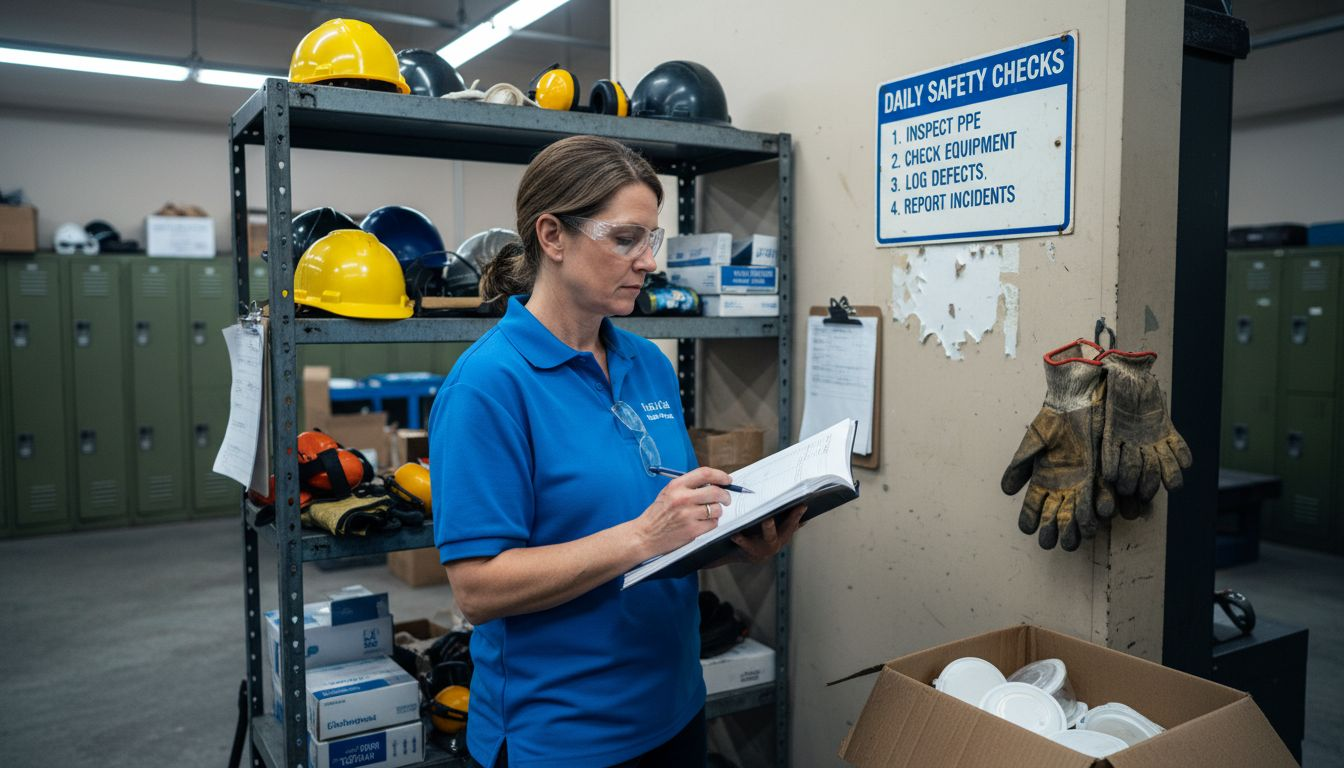
Respiratory Protection demands specialized attention in industrial painting environments. Different scenarios require tailored solutions: air line respirators become mandatory in confined spaces with limited ventilation, while filter-based respirators work effectively in more open environments. The selection depends on specific chemical compositions, potential exposure levels, and workspace configurations. Painters must undergo comprehensive fit testing and training to ensure proper respirator usage, understanding that improper equipment can be as dangerous as no protection at all.
Beyond respiratory gear, industrial painting PPE includes a comprehensive range of protective equipment:
- Chemical-resistant full-body coveralls
- Specialized gloves rated for specific chemical interactions
- Impact-resistant safety glasses or full-face shields
- Steel-toed boots with slip-resistant soles
- Hearing protection for high-noise environments
- Static-dissipative clothing to prevent electrical hazards
Electrical safety represents another critical consideration in painting operations. Static electricity can create significant risks, particularly when working with flammable chemicals and spraying equipment. Proper electrical bonding of air moving equipment, careful grounding procedures, and using electrically safe work practices become essential in preventing potential fire or explosion risks.
Pro tip: Conduct daily equipment inspections and maintain a detailed log of PPE condition, replacing any gear showing signs of wear or potential compromise immediately.
Safe Worksite Practices and Hazard Controls
Comprehensive worksite safety protocols represent a systematic approach to minimizing risks in industrial painting environments. These protocols go beyond simple compliance, creating a proactive safety culture that anticipates and mitigates potential hazards before they become critical incidents. The foundation of effective safety management lies in thorough pre-operation hazard assessments, which identify potential risks unique to each specific work environment.
Volatile organic compounds (VOCs) and chemical exposure require specialized control strategies. Industrial painting worksites demand rigorous monitoring of hazardous substances, including targeted controls for isocyanate exposure and precise administrative management of chemical interactions. Ventilation systems play a crucial role in reducing inhalation risks, with engineered solutions that actively remove potentially harmful airborne particles and chemical vapors. Regulated access to hazardous zones becomes critical, ensuring only trained personnel with appropriate protective equipment enter high-risk areas.
Safe worksite practices encompass multiple layers of protection:
- Comprehensive pre-operation risk assessments
- Systematic workspace organization
- Strict control of chemical exposure
- Robust fall protection mechanisms
- Continuous worker training programs
- Regular equipment maintenance and inspection
- Detailed medical surveillance protocols
Physical workspace management represents another critical aspect of worksite safety. This includes maintaining clean, organized environments that minimize slip and fall risks, implementing proper scaffolding techniques, and establishing clear movement pathways. Hearing conservation programs, electrical safety protocols, and strategic placement of fire suppression equipment further enhance overall site protection.
Pro tip: Implement a daily five-minute safety huddle to review specific risks, recent near-misses, and reinforce critical safety protocols with the entire painting crew.
Risk Management and Common Liability Issues
Comprehensive liability management represents a critical strategic approach for industrial painting contractors in Florida. The complex legal landscape demands proactive risk mitigation strategies that address multiple potential financial and legal vulnerabilities. These risks extend far beyond simple accident prevention, encompassing regulatory compliance, contractual obligations, and comprehensive insurance protection.
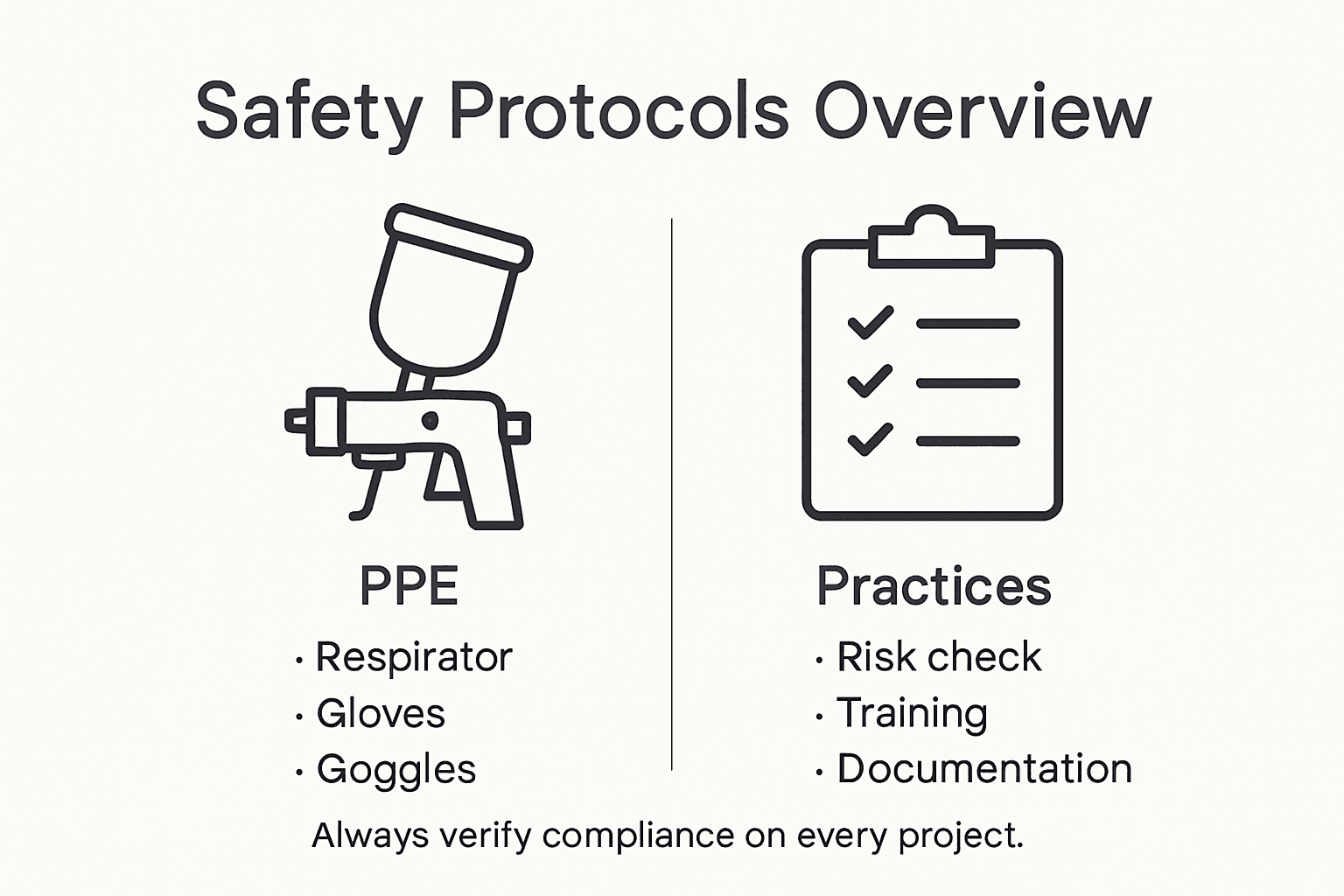
Federal and state regulations introduce significant complexity to industrial painting operations. The Environmental Protection Agency’s Renovation, Repair, and Painting (RRP) rules create substantial liability risks, particularly with lead paint exposure and handling. General liability insurance becomes a critical protective mechanism for managing potential legal expenses, settlements, and medical cost exposures. Contractors must maintain meticulous documentation, implement rigorous safety protocols, and secure comprehensive insurance coverage to mitigate potential financial risks.
Critical liability risk areas for industrial painting contractors include:
- Lead paint exposure and EPA compliance
- Personal injury claims from workplace accidents
- Property damage during painting operations
- Equipment malfunction and replacement liabilities
- Contract dispute resolution mechanisms
- Workers’ compensation insurance requirements
- Regulatory compliance documentation
Successful risk management requires a multifaceted approach integrating legal, financial, and operational strategies. This includes developing clear contractual language, maintaining detailed project documentation, conducting regular safety training, and implementing robust quality control processes. Proactive communication with clients, thorough pre-project assessments, and transparent reporting can significantly reduce potential liability exposure.
Pro tip: Develop a comprehensive risk management checklist that includes insurance verification, safety protocol documentation, and quarterly liability assessments to stay ahead of potential legal vulnerabilities.
This summary contrasts common liability risks and key contractor management tactics:
| Liability Issue | Impact on Contractors | Mitigation Strategy |
|---|---|---|
| Lead Paint Exposure | Hefty EPA fines, lawsuits | Specialized training, proper disposal |
| Worker Injury | Insurance claims, legal costs | Enhanced safety plans, PPE enforcement |
| Property Damage | Repair expenses, reputational harm | Document scope, pre-work inspections |
| Equipment Failure | Project delays, replacement cost | Scheduled maintenance, rapid response |
Strengthen Your Industrial Painting Safety with Proven Expertise
Implementing strict industrial painting safety protocols is essential to protect your workforce and ensure regulatory compliance across Florida facilities. The detailed safety challenges described in the article reveal critical needs for effective PPE use, chemical handling, respiratory protection, and liability risk management. At Southern Sandblasting & Painting LLC, we understand these pain points deeply. With over 20 years of experience delivering surface preparation and protective coating services, we prioritize comprehensive safety standards to safeguard your projects and personnel.
Trust a partner who values your safety and compliance. Our expert crews use industry-leading equipment and follow rigorous safety protocols tailored to your specific facility requirements. From sandblasting to applying industrial-grade coatings, our work enhances asset longevity while minimizing exposure to hazards. Discover how Southern Sandblasting & Painting ensures seamless integration of safety and quality on every project in Central Florida.

Ready to elevate your facility’s safety and coating performance? Visit our Southern Sandblasting & Painting LLC homepage to learn more about our services and commitment to industrial safety. Connect with us today and take immediate steps to protect your operations, meet OSHA guidelines, and secure durable results.
Frequently Asked Questions
What are the key components of industrial painting safety protocols?
Industrial painting safety protocols include guidelines for personal protective equipment (PPE), chemical exposure management, equipment maintenance, environmental containment strategies, and ongoing worker training and certification requirements.
Why is proper training essential for industrial painting workers?
Proper training ensures that workers demonstrate competency in hazardous material identification, equipment usage, spray techniques, and emergency response, fostering a holistic safety culture critical for reducing workplace risks.
What types of personal protective equipment are required for industrial painters?
Industrial painters are required to wear respiratory protection, chemical-resistant coveralls, specialized gloves, impact-resistant eyewear, steel-toed boots, hearing protection, and static-dissipative clothing to minimize exposure to hazardous substances and physical risks.
How can contractors manage liability risks associated with industrial painting?
Contractors can manage liability risks by implementing comprehensive insurance coverage, maintaining detailed safety documentation, securing regulatory compliance, conducting regular training, and establishing clear communication with clients regarding safety protocols.


