
Most American manufacturers know that choosing the right industrial coating can make a staggering difference—proper selection and application can extend asset lifespan by up to 200 percent. In an industry where every detail impacts safety, cost, and long-term performance, understanding key terms and concepts is vital. This guide breaks down industrial coating language so you can confidently evaluate materials, processes, and real-world benefits, no matter your role.
Table of Contents
- Defining Industrial Coating Terminology And Concepts
- Types Of Coatings And Common Terms Explained
- Stages And Methods In Application Processes
- Standards, Compliance, And Regulatory Language
- Common Pitfalls And Misunderstandings To Avoid
Key Takeaways
| Point | Details |
|---|---|
| Understand Coating Classification | Industrial coatings are categorized into architectural, industrial OEM, and special purpose coatings, each tailored for specific protective needs. |
| Prioritize Surface Preparation | Comprehensive surface preparation is essential for enhancing coating adhesion and extending asset lifespan significantly. |
| Recognize Environmental Factors | Environmental conditions such as humidity and temperature directly influence coating performance, requiring careful monitoring during application. |
| Emphasize Ongoing Maintenance | Coatings require regular assessment and maintenance to ensure continued protective performance against environmental factors. |
Defining Industrial Coating Terminology and Concepts
Industrial coating represents a sophisticated protective technology designed to shield critical infrastructure and equipment from environmental degradation, corrosion, and wear. The American Coatings Association categorizes these specialized protective layers into three primary classifications: architectural, industrial OEM, and special purpose coatings.
Understanding the fundamental terminology is crucial for professionals managing infrastructure and industrial assets. Coating itself refers to a protective layer applied to surfaces to enhance durability, resistance, and performance. Different coating types serve unique purposes – from preventing metal corrosion to improving aesthetic appearance. Industrial coatings typically involve specialized formulations that can withstand extreme temperatures, chemical exposure, mechanical stress, and challenging environmental conditions.
The core characteristics of industrial coatings include critical attributes like adhesion, thickness, chemical resistance, and environmental compatibility. Professionals must consider factors such as substrate material, expected environmental conditions, mechanical stress, and intended lifespan when selecting an appropriate coating solution. Some coatings provide electrical insulation, while others offer thermal protection or decorative finishes. The selection process demands technical expertise and a nuanced understanding of material science principles.
Within industrial coating applications, several key technical terms are essential to comprehend. Substrate refers to the base material being coated, which could range from metal structures to concrete surfaces. Primer represents the initial preparatory coating layer that enhances adhesion and provides additional protection. Topcoat is the final protective layer that delivers aesthetic and environmental resistance. Understanding these fundamental concepts enables more strategic asset management and maintenance planning.
Pro Tip for Infrastructure Managers: Always conduct comprehensive surface preparation before applying industrial coatings, as proper cleaning and treatment can dramatically improve coating performance and extend asset lifecycle by up to 200%.
Types of Coatings and Common Terms Explained
Industrial coatings represent a diverse array of protective technologies designed to meet specific performance requirements across multiple sectors. The American Coatings Association highlights three primary classification categories: architectural, industrial OEM, and special purpose coatings, each engineered with unique characteristics to address specialized protection needs.
Several fundamental coating types dominate industrial applications, with powder coatings, metallized coatings, and hard coats standing out as critical solutions. Industrial coating technologies offer remarkable versatility, ranging from electrically insulative layers to thermally resistant protective treatments. Powder coatings, for instance, provide exceptional durability through electrostatically applied dry powder that is then cured under heat, creating a robust and uniform protective finish without volatile organic compounds.
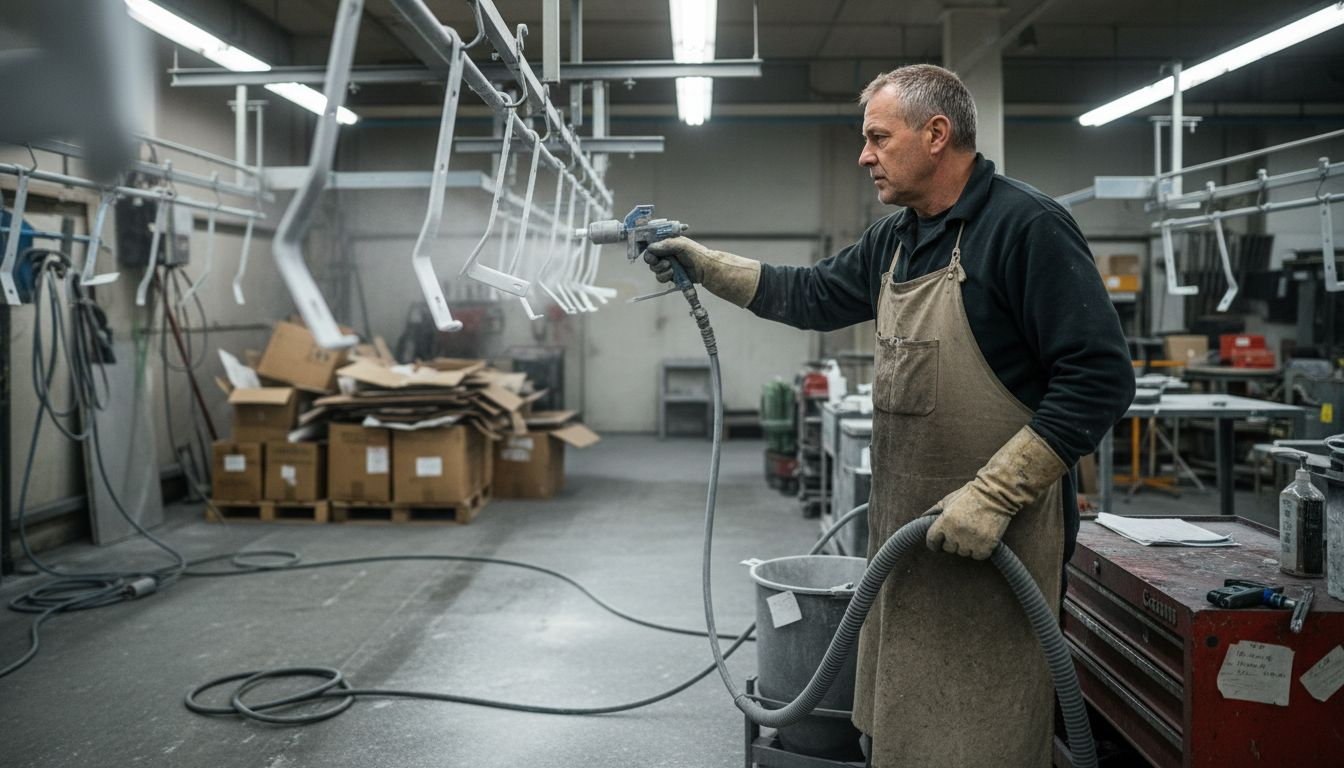
Understanding the composition and performance characteristics of different coating types is essential for effective asset management. Metallized coatings involve applying thin metallic layers to substrates, enhancing corrosion resistance and electrical conductivity. Ceramic coatings deliver extraordinary heat resistance and wear protection, making them ideal for high-temperature industrial environments. Epoxy coatings offer superior chemical resistance and adhesion, frequently used in aggressive chemical processing facilities, marine applications, and infrastructure protection.
Beyond material selection, coating performance depends on critical application parameters like surface preparation, environmental conditions, and precise application techniques. Factors such as substrate compatibility, expected mechanical stress, temperature fluctuations, and chemical exposure significantly influence coating selection and long-term performance. Advanced coating technologies now integrate smart monitoring capabilities, enabling real-time assessment of protective layer integrity and potential degradation.
Pro Tip for Technical Managers: Always conduct comprehensive material compatibility testing before finalizing industrial coating specifications, as proper selection can reduce maintenance costs by up to 60% and extend asset lifecycle significantly.
Here is a summary of core industrial coating types and their key business impacts:
| Coating Type | Main Function | Typical Use Cases | Business Impact |
|---|---|---|---|
| Powder Coating | Durable, uniform finish | Equipment, automotive parts | Low maintenance, eco-friendly |
| Metallized Coating | Corrosion & conductivity | Bridges, electronics | Long lifespan, reliability |
| Ceramic Coating | Heat and wear resistance | Power plants, engines | Less downtime, safer operation |
| Epoxy Coating | Chemical and solvent barrier | Marine, chemical processing | Asset protection, cost savings |
Stages and Methods in Application Processes
Industrial coating application represents a sophisticated multi-stage process that demands precision, technical expertise, and meticulous preparation. The journey from raw substrate to fully protected surface involves several critical stages that ensure optimal coating performance and long-term durability.
Initial surface preparation remains the foundational step in coating application. Dip-coating techniques demonstrate one sophisticated method where substrates are systematically immersed in coating solutions and withdrawn at precisely controlled speeds, creating uniform protective films through controlled solvent evaporation. Preparatory stages typically involve comprehensive cleaning, mechanical abrasion, chemical treatments, and precise surface profiling to guarantee maximum coating adhesion and performance.
Coating application methods vary widely depending on specific industrial requirements. Slot-die coating technologies offer remarkable precision, dispensing solutions through specialized dies onto substrates with extraordinary uniformity and thickness control. Alternative techniques include electrostatic spray application, powder coating systems, thermal spraying, and advanced robotic application processes. Each method presents unique advantages: electrostatic approaches provide exceptional material distribution, while thermal spraying enables applications on complex geometries and high-temperature environments.
Post-application curing and quality verification represent the final critical stages of the coating process. Sophisticated monitoring technologies now enable real-time assessment of coating thickness, adhesion characteristics, and potential microscopic imperfections. Temperature-controlled curing chambers, infrared radiation systems, and ultraviolet light treatments transform liquid or powder coatings into robust, chemically bonded protective layers. Advanced inspection techniques like ultrasonic testing, electromagnetic scanning, and microscopic analysis ensure comprehensive quality verification before final asset deployment.
Pro Tip for Application Engineers: Always validate environmental conditions and substrate temperature before coating application, as ambient humidity and surface temperature variations can dramatically impact coating performance and long-term durability.
Below is a comparison of major industrial coating application methods and their main considerations:
| Method | Precision Level | Ideal Substrate Types | Process Advantages |
|---|---|---|---|
| Dip-Coating | Moderate | Uniform, simple | Even coverage, scalable |
| Slot-Die Coating | High | Flat, thin materials | Thickness control, speed |
| Electrostatic Spraying | Good | Various | Efficient, minimizes waste |
| Thermal Spraying | Very High | Irregular, large | Customizable, robust layer |
Standards, Compliance, and Regulatory Language
Industrial coating standards represent a comprehensive framework of technical requirements, safety protocols, and performance benchmarks that govern the entire protective coating ecosystem. The American Coatings Association emphasizes the critical importance of adhering to stringent industry regulations that ensure environmental responsibility, worker safety, and consistent product quality across diverse industrial applications.
Regulatory compliance in industrial coatings involves multiple interconnected layers of oversight, including environmental protection standards, workplace safety guidelines, material composition restrictions, and performance specification requirements. Key regulatory bodies like the Environmental Protection Agency (EPA), Occupational Safety and Health Administration (OSHA), and American Society for Testing and Materials (ASTM) establish detailed protocols that dictate everything from chemical composition limits to application process standards. These regulations aim to minimize environmental impact, protect worker health, and guarantee the long-term reliability of protective coating systems.
Technical standards serve as the foundational language that enables consistent communication and quality assurance across industrial coating sectors. Specification documents outline precise requirements for material performance, including critical parameters such as adhesion strength, chemical resistance, temperature tolerance, and durability under specific environmental conditions. Compliance involves comprehensive documentation, rigorous testing procedures, and periodic recertification to demonstrate ongoing adherence to established performance benchmarks. Advanced coating technologies now integrate smart tracking systems that enable real-time monitoring and verification of regulatory compliance throughout the coating lifecycle.
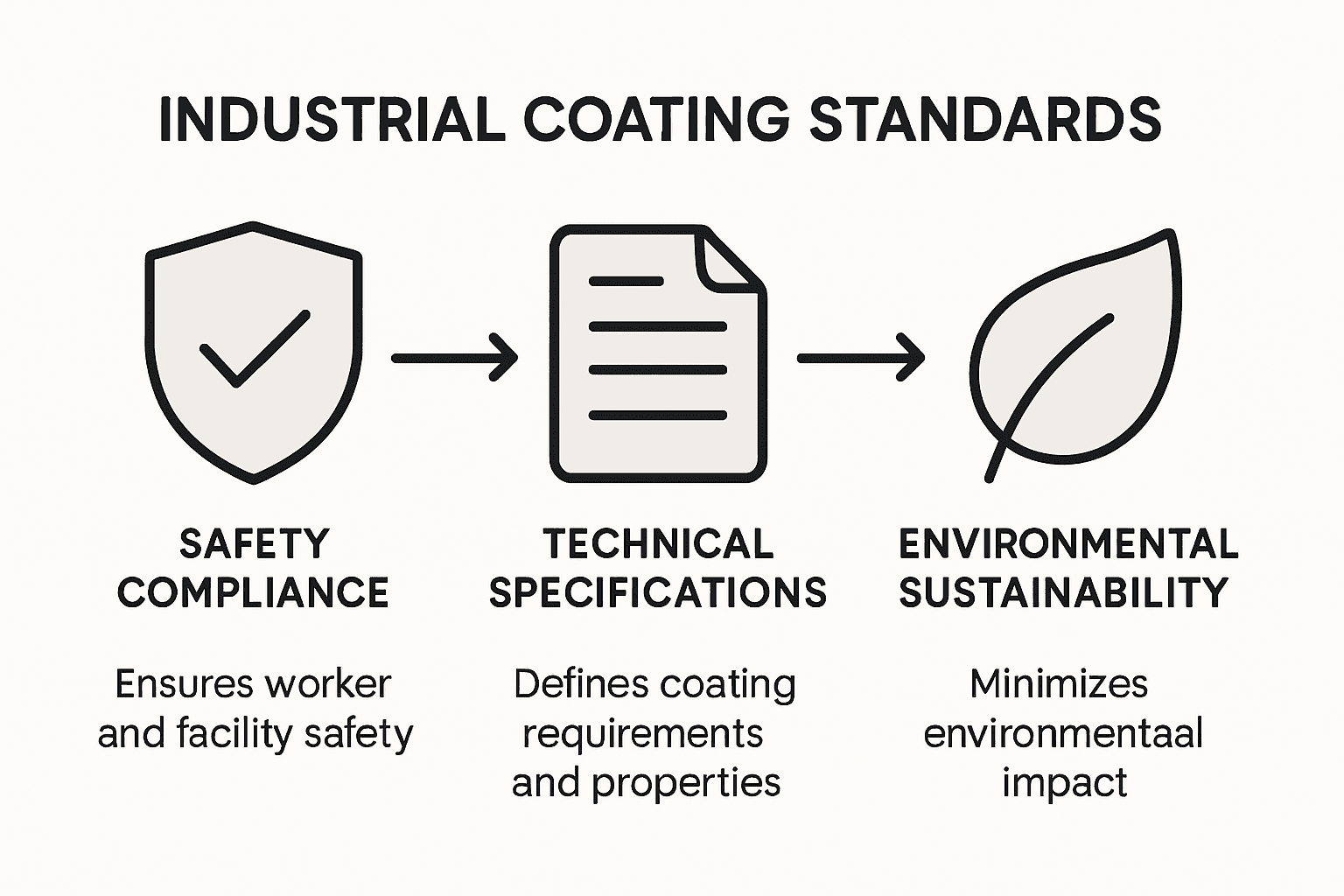
Beyond technical specifications, modern industrial coating standards increasingly emphasize sustainability and environmental stewardship. Emerging regulations focus on reducing volatile organic compound (VOC) emissions, promoting recyclable coating materials, and developing eco-friendly application technologies. Coating manufacturers and application specialists must continually adapt to evolving regulatory landscapes, investing in research and development to create solutions that balance performance requirements with environmental responsibility.
Pro Tip for Compliance Managers: Develop a comprehensive tracking system for regulatory updates, conducting quarterly reviews of industry standards to ensure your coating specifications remain current and fully compliant with the latest environmental and safety requirements.
Common Pitfalls and Misunderstandings to Avoid
Industrial coating applications demand precise technical understanding, with numerous potential mistakes that can compromise asset protection and long-term performance. Industrial coating misunderstandings frequently stem from oversimplified assumptions about material compatibility, application techniques, and environmental considerations.
Substrate selection represents a critical area where professionals often make fundamental errors. Many inexperienced managers mistakenly believe that a single coating solution can be universally applied across different material surfaces. In reality, each substrate requires careful analysis of its unique chemical composition, surface profile, thermal expansion characteristics, and environmental exposure. Metallic surfaces demand different preparation and coating strategies compared to concrete, ceramic, or composite materials. Failing to match the coating precisely to the substrate can result in premature coating failure, reduced protective performance, and significant financial losses.
Another prevalent misconception involves underestimating the complexity of surface preparation and environmental conditions during coating application. Application environment plays a crucial role in coating performance, with factors like humidity, temperature, surface contamination, and atmospheric conditions dramatically influencing adhesion and durability. Professionals frequently overlook the need for controlled application environments, leading to inconsistent coating thickness, reduced chemical resistance, and accelerated material degradation. Advanced coating technologies require sophisticated preparation techniques, including precise cleaning protocols, surface profiling, and controlled application conditions that go far beyond traditional painting approaches.
Technical performance expectations represent another area riddled with potential misunderstandings. Many asset managers assume that coating application is a one-time solution, failing to recognize the importance of ongoing maintenance, periodic inspection, and potential reapplication. Coatings are dynamic protective systems that interact continuously with their environment, gradually experiencing wear, chemical interaction, and mechanical stress. Expecting indefinite performance without professional monitoring and strategic maintenance can lead to catastrophic asset failure. Successful coating management requires a holistic approach that integrates initial application, regular assessment, and proactive maintenance strategies.
Pro Tip for Technical Professionals: Always conduct comprehensive substrate analysis and environmental assessment before coating application, creating a detailed documentation protocol that tracks coating performance, environmental interactions, and potential degradation mechanisms.
Elevate Your Asset Protection with Proven Industrial Coating Solutions
Understanding complex industrial coating terminology like substrate, primer, and topcoat is only the first step toward achieving lasting asset longevity. The real challenge lies in addressing critical pain points such as proper surface preparation, environmental conditions, and material compatibility to prevent costly coating failures. At Southern Sandblasting & Painting LLC, we bring over 20 years of expertise in expertly handling these exact challenges through precision sandblasting and industrial-grade protective coatings designed to meet your infrastructure needs.
Ensure your critical assets receive the tailored protection they require. Our proven processes align with strict industry standards and leverage advanced application techniques that enhance adhesion and durability. Whether managing water tanks, pipelines, or commercial facilities, our team understands how industrial coatings impact long-term performance and maintenance savings. Discover how our professional services can seamlessly integrate with your maintenance strategy and compliance requirements at Southern Sandblasting & Painting LLC.
Take the first step toward extending the lifespan of your infrastructure with trusted surface preparation and coating services.
Experience the difference expert coating knowledge combined with technical skill can make. Contact us today at Southern Sandblasting & Painting LLC to schedule a consultation and protect your valuable assets from environmental and operational wear. Learn more about our service capabilities and project experience by visiting our website now.
Frequently Asked Questions
What is industrial coating and why is it important for asset longevity?
Industrial coating is a protective layer applied to surfaces to shield them from environmental degradation, corrosion, and wear. It enhances durability and performance, which is crucial for extending the lifespan of critical infrastructure and equipment.
What are the key characteristics I should consider when selecting an industrial coating?
When selecting an industrial coating, consider adhesion, thickness, chemical resistance, and environmental compatibility. It’s also important to evaluate substrate material, expected environmental conditions, mechanical stress, and intended lifespan to ensure optimal performance.
How does surface preparation impact the performance of industrial coatings?
Proper surface preparation is essential for effective adhesion and overall coating performance. It involves cleaning, mechanical abrasion, and sometimes chemical treatments. Adequate preparation can lead to significantly improved durability and can extend the asset lifecycle by up to 200%.
What are the common misconceptions about the application of industrial coatings?
Common misconceptions include assuming that one coating type is suitable for all substrates and underestimating the importance of environmental conditions during application. Each substrate requires specific preparation and application techniques, and environmental factors like humidity and temperature significantly affect coating performance.


