
Most American municipal infrastructure managers in Central Florida face ongoing challenges keeping assets corrosion-free and compliant with safety regulations. Industrial painting is far more than a cosmetic upgrade. It is a technical solution proven to extend the lifespan of bridges, water tanks, and steel structures. With surface preparation consuming up to 50 percent of total project costs, understanding professional painting methods can help you safeguard investments, avoid common mistakes, and meet strict Florida safety standards.
Table of Contents
- Defining Industrial Painting and Common Myths
- Types of Industrial Coatings and Applications
- Surface Preparation Methods for Large Structures
- Compliance and Safety Standards in Florida
- Cost Factors and Mistakes to Avoid
Key Takeaways
| Point | Details |
|---|---|
| Importance of Surface Preparation | Thorough surface preparation is essential for effective industrial painting, impacting coating adhesion and asset protection. |
| Tailored Coating Solutions | Each industrial context requires specific coating systems based on environmental conditions and substrate materials. |
| Compliance with Regulations | Adherence to safety and environmental regulations is crucial for protecting workers and ensuring project success in Florida. |
| Cost Management Strategies | Careful evaluation of cost factors, including surface preparation and labor, helps prevent budget overruns in industrial painting projects. |
Defining Industrial Painting and Common Myths
Industrial painting represents a sophisticated technical process far beyond simple aesthetic improvements. At its core, industrial painting involves strategically applying protective coatings to metal structures, machinery, and infrastructure to prevent corrosion and extend asset longevity. Understanding these complex coating preparation standards requires specialized knowledge and precision.
Contrary to popular belief, industrial painting is not a one-size-fits-all procedure where any paint will suffice. Professional industrial painters recognize that successful coating applications depend on multiple critical factors: surface preparation, environmental conditions, coating chemistry, and precise application techniques. Each industrial context demands a tailored approach, whether protecting steel structures in Orlando’s humid climate or preparing equipment for extreme temperature variations.
Common myths about industrial painting persist, often undermining the technical expertise required. Many incorrectly assume that thicker paint layers automatically guarantee superior protection or that surface preparation is optional. In reality, thorough surface preparation is the foundation of effective industrial painting. Techniques like sandblasting, chemical treatments, and precise surface profiling are essential to ensuring coating adhesion and long-term asset protection.
The technical rigor of industrial painting extends far beyond basic manual labor, requiring ongoing education and specialized skills. Professionals must understand material science, corrosion mechanisms, coating technologies, and application methodologies. Workers need comprehensive training to select appropriate coating systems, understand environmental interactions, and implement precise application techniques.
Pro Tip: Always conduct a comprehensive surface assessment and moisture content evaluation before beginning any industrial painting project to ensure optimal coating performance and longevity.
Types of Industrial Coatings and Applications
Industrial coatings represent a sophisticated range of protective solutions designed to enhance the durability and performance of critical infrastructure and equipment. Protective coatings encompass diverse categories that serve specific engineering and environmental challenges across multiple industrial sectors. These specialized coating systems are engineered to address complex requirements such as corrosion resistance, temperature tolerance, and structural protection.
The primary categories of industrial coatings include organic, inorganic, and advanced nanostructured systems. Organic coatings like epoxies and polyurethanes offer exceptional corrosion resistance and are particularly effective for protecting structural steel in challenging environments. Inorganic coatings, including metallic and ceramic variants, provide extraordinary high-temperature resistance and are crucial for applications requiring extreme durability. Emerging nanostructured coatings introduce innovative functionalities like self-healing properties and enhanced barrier protection, representing the cutting edge of surface engineering technology.
Understanding the specific application requirements is critical for selecting the appropriate industrial coating. Barrier coatings prevent direct environmental contact, inhibitive coatings chemically interrupt corrosion processes, and sacrificial coatings deliberately corrode to protect underlying substrates. The selection process involves comprehensive analysis of substrate material, environmental exposure conditions, performance expectations, and long-term maintenance considerations. Professionals must evaluate factors such as temperature fluctuations, chemical exposure, mechanical stress, and expected service life when designing coating solutions.
Industrial coating applications span diverse sectors including marine infrastructure, manufacturing facilities, transportation systems, and municipal assets. Each industry demands unique coating strategies tailored to its specific operational challenges. For instance, marine environments require coatings with exceptional salt and moisture resistance, while manufacturing equipment needs solutions that withstand chemical exposures and mechanical wear. The sophistication of modern industrial coatings reflects an intricate balance between material science, engineering principles, and practical performance requirements.
Here’s a comparison of common industrial coating types and their ideal applications:
| Coating Type | Key Features | Typical Industrial Use |
|---|---|---|
| Epoxy (Organic) | High corrosion resistance | Bridges, marine structures |
| Polyurethane (Organic) | Chemical and abrasion resistant | Manufacturing equipment |
| Metallic (Inorganic) | Withstands high temperatures | Pipelines, furnaces |
| Ceramic (Inorganic) | Superior thermal protection | Industrial reactors |
| Nanostructured | Self-healing, barrier strength | Advanced infrastructure |
Pro Tip: Conduct a comprehensive substrate analysis and environmental assessment before selecting an industrial coating to ensure optimal performance and maximum asset protection.
Surface Preparation Methods for Large Structures
Surface preparation represents the critical foundation for successful industrial painting, particularly when addressing large structural assets in challenging environments. Surface preparation standards guide critical industrial processes to ensure optimal coating performance and long-term asset protection. The complexity of preparing extensive structures demands a systematic approach that goes far beyond simple cleaning techniques.
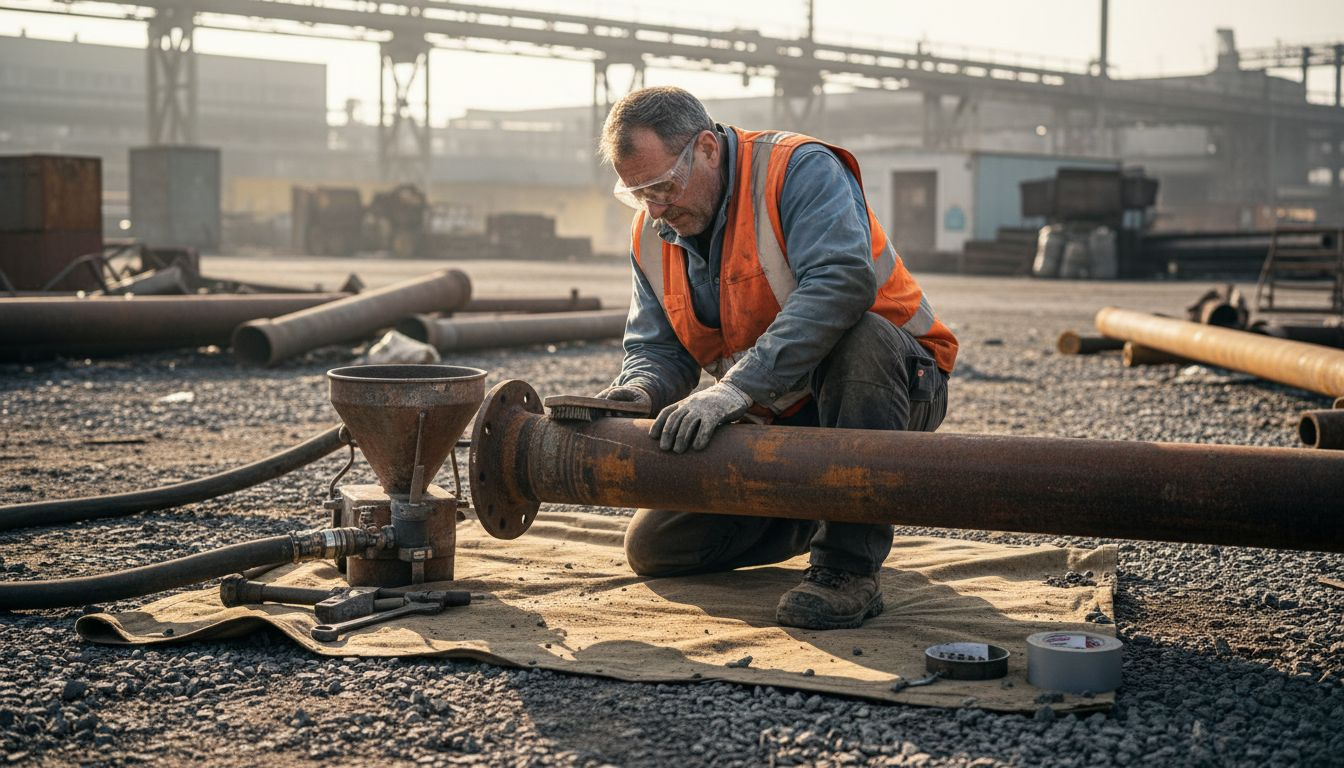
Professional surface preparation encompasses multiple advanced techniques tailored to specific substrate conditions and environmental challenges. Abrasive blasting remains the premier method for removing mill scale, rust, and existing coating layers from large steel structures. This technique creates a precise surface profile that dramatically improves coating adhesion and ensures maximum protection. Alternative methods include mechanical abrasion, hand and power tool cleaning, and specialized chemical treatments, each selected based on the unique requirements of the specific industrial asset.
The preparation process involves several critical stages of assessment and treatment. Professionals must first evaluate the existing surface condition, identifying contaminants, structural integrity, and potential adhesion challenges. Comprehensive cleaning removes oils, salts, rust, and previous coating remnants that could compromise new protective layers. The goal extends beyond surface appearance, focusing on creating an optimal substrate condition that maximizes coating performance and longevity. Precise surface profiling ensures that subsequent protective coatings can form a robust, durable bond with the underlying material.
Industrial environments present unique challenges that demand sophisticated surface preparation strategies. Coastal regions like Orlando require extra attention due to high humidity and salt exposure, while manufacturing facilities need approaches that address chemical contamination and mechanical wear. Each preparation method must consider factors such as substrate material, expected environmental stress, coating system specifications, and long-term performance expectations. Advanced techniques like white metal blasting, near-white blast cleaning, and chemical etching provide tailored solutions for different industrial contexts.
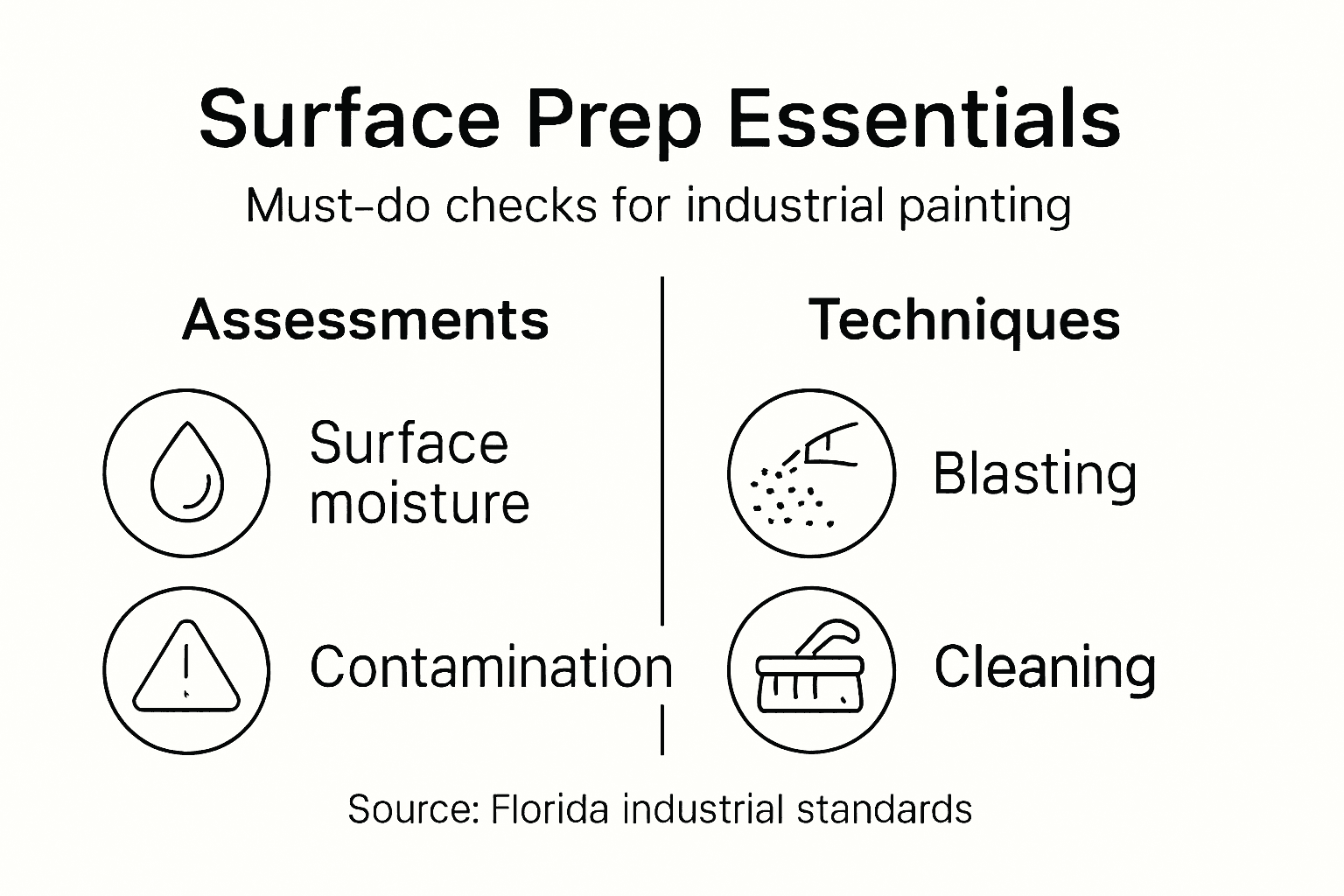
Pro Tip: Always conduct a comprehensive surface moisture and contamination assessment before initiating any surface preparation process to prevent potential coating failure and ensure optimal adhesion.
Compliance and Safety Standards in Florida
Industrial painting operations in Florida must navigate a complex landscape of safety regulations and compliance requirements that protect workers, facilities, and the environment. Comprehensive safety standards govern industrial painting practices to ensure maximum protection and minimize potential risks associated with hazardous materials and challenging work environments.
Occupational Safety and Health Administration (OSHA) regulations form the cornerstone of industrial painting safety standards in Florida. These comprehensive guidelines mandate specific requirements for personal protective equipment, hazard communication, respiratory protection, and chemical handling. Critical safety protocols include proper ventilation, fall protection measures, and detailed documentation of potential workplace hazards. Industrial painting professionals must demonstrate extensive knowledge of these regulations, implementing strict safety procedures that protect workers from potential chemical exposures, physical risks, and long-term health complications.
Florida’s unique environmental conditions add additional complexity to safety compliance for industrial painting projects. Coastal regions and humid subtropical climates present specific challenges such as increased corrosion risks, material degradation, and environmental exposure considerations. Industrial painting teams must adapt their safety protocols to address these regional variations, implementing specialized protective measures that account for high humidity, salt exposure, and temperature fluctuations. This requires a nuanced approach to equipment selection, coating technologies, and worker protection strategies that go beyond standard national guidelines.
Beyond federal regulations, Florida maintains state-specific safety requirements that industrial painting contractors must carefully navigate. These include environmental protection standards, worker compensation regulations, and specialized training certifications unique to the state’s industrial landscape. Professional painting teams must stay current with evolving regulatory frameworks, participating in continuous education programs and maintaining rigorous documentation of safety practices. Compliance is not merely about meeting minimum standards but demonstrating a comprehensive commitment to worker safety and professional excellence.
Pro Tip: Develop a comprehensive safety audit checklist that integrates both OSHA requirements and Florida-specific industrial painting regulations to ensure thorough compliance and worker protection.
Cost Factors and Mistakes to Avoid
Industrial painting projects in Florida involve complex financial considerations that extend far beyond basic material and labor expenses. Comprehensive cost management strategies are critical for ensuring project success and minimizing long-term financial risks associated with infrastructure protection.
Several key cost factors significantly impact the overall expense of industrial painting projects. Surface preparation represents the most substantial financial investment, consuming approximately 30-50% of total project budgets. Factors such as substrate condition, environmental complexity, and required preparation techniques directly influence cost structures. Additional expense drivers include coating system selection, project scale, environmental conditions, labor requirements, and specialized equipment needs. Municipal infrastructure managers must carefully evaluate these variables to develop accurate budget projections and prevent unexpected financial overruns.
Common mistakes can dramatically escalate project costs and compromise asset protection. Critical errors include inadequate surface preparation, selecting inappropriate coating systems, and failing to conduct thorough quality control inspections. Improper material selection or application techniques can lead to premature coating failure, necessitating expensive remediation work. Professional industrial painting teams must implement rigorous quality assurance protocols, including material verification, step-by-step application monitoring, and comprehensive post-application inspections to mitigate potential financial risks.
Regional factors specific to Florida further complicate cost management for industrial painting projects. Coastal environments with high humidity, salt exposure, and extreme temperature variations demand specialized coating technologies and more intensive preparation processes. These unique environmental challenges require additional investment in advanced materials and skilled labor capable of addressing complex surface treatment requirements. Strategic planning that anticipates these regional nuances can help municipalities and industrial facility managers optimize their painting investments and extend asset lifespans.
The following table highlights major cost factors and common mistakes to avoid in industrial painting projects:
| Cost Factor | Impact on Project | Mistake to Avoid |
|---|---|---|
| Surface preparation | Highest cost share | Skipping contamination removal |
| Coating selection | Influences longevity | Using incompatible materials |
| Labor & equipment | Dictates quality | Underestimating skilled labor |
| Environmental controls | Prevents failures | Ignoring local climate challenges |
| Quality assurance | Reduces rework costs | Neglecting post-application checks |
Pro Tip: Develop a detailed cost-benefit analysis that includes projected maintenance expenses and potential asset lifespan extension when budgeting for industrial painting projects.
Protect Your Orlando Assets with Expert Industrial Painting Solutions
Understanding the critical role of precise surface preparation and customized coating applications is essential for protecting industrial assets in Orlando’s challenging environment. Common challenges like inadequate surface profiling, improper coating selection, and weather-induced corrosion can severely reduce asset longevity and drive up maintenance costs. At Southern Sandblasting & Painting LLC, we specialize in tackling these exact pain points with over 20 years of hands-on experience in advanced sandblasting and industrial painting services tailored specifically for Central Florida.
Don’t let improper surface preparation or subpar coatings put your infrastructure at risk. Acting now to partner with a proven local expert ensures your projects comply with stringent safety standards and environmental demands. Visit our website at Southern Sandblasting & Painting LLC to explore how our team delivers durable, high-quality coating systems that extend asset life and reduce costly rework. Contact us today to schedule a consultation and safeguard your investment with trusted industry professionals.
Frequently Asked Questions
What is industrial painting?
Industrial painting is the process of applying protective coatings to metal structures, machinery, and infrastructure to prevent corrosion and extend asset longevity. It requires specialized knowledge for effective preparation and application techniques.
What are the common myths about industrial painting?
Common myths include the belief that thicker paint layers guarantee better protection and that surface preparation is optional. In reality, thorough surface preparation is crucial for achieving effective coatings.
Why is surface preparation important in industrial painting?
Surface preparation is essential for maximizing coating adhesion and performance. Techniques such as abrasive blasting and chemical cleaning ensure that contaminants are removed, creating an optimal substrate for coating application.
What factors influence the cost of industrial painting projects?
Cost factors include surface preparation, coating selection, labor and equipment needs, environmental conditions, and quality assurance processes. Proper budgeting must consider these elements to avoid unexpected financial overruns.
Recommended
- Industrial Painting Explained: Asset Protection in Florida
- Industrial Painting Safety Protocols in Florida Facilities
- Industrial Coating Terminology: Keys for Asset Longevity
- Industrial Painting Services in Orlando, FL
- Sandblasting Services Orlando FL
- What Is Exterior Painting and Why Quality Matters – Astrotech Construction


